Animals
Every encounter is a story that lasts longer than the dive.
Here you'll find the animals I've been lucky to meet: sharks of the Indian Ocean, wanderers of the open sea, small endemic catsharks, and the birds of the African coast.
Photographing wildlife taught me patience, respect and distance. I don't chase animals, I wait for them to decide. These images are what that waiting looked like, and a reminder of what is at stake when their habitats change.
Ocean Sharks
Sharks, in numbers
Before the dive, the context. A global reassessment of 1,199 species of sharks, rays and chimaeras found that 391 of them (32.6%) are threatened with extinction, a figure that rises to 37.5% if data-deficient species follow the same pattern. Overfishing affects all threatened species and is the only threat for 67.3% of them, and species are disproportionately threatened in tropical and subtropical coastal waters: the kind of water where the sharks of KwaZulu-Natal live. (https://portfolio.jcu.edu.au/Publications/JCU174241)
Why here?
Protea Banks is a submerged shoal about 800 m wide and 6 km long. Aliwal Shoal is a fossilised sandstone reef about 5 km off Umkomaas. Dive-industry accounts describe both as places where the Agulhas Current meets shoals. How current, reef, prey and reproduction combine to make them so rich is still being worked out, but we do know that some species use them at set times. Ragged-tooth sharks are an example: mating is thought to occur off the south coast of KwaZulu-Natal in October and November, after which pregnant females travel north and later return south to the Eastern Cape to give birth. One study describes reefs such as Aliwal Shoal as refuges for breeding ragged-tooth sharks are an example: mating is thought to occur off the south coast of KwaZulu-Natal in October and November, after which pregnant females travel north and later return south to the Eastern Cape to give birth. One study describes reefs such as Aliwal Shoal as refuges for breeding ragged-tooth sharks.
Dicken ML, Booth AJ, Smale MJ, Cliff G. 2007. Spatial and seasonal distribution patterns of juvenile and adult ragged-tooth sharks (Carcharias taurus) tagged off the east coast of South Africa. Marine and Freshwater Research. 58: 127
A shark calendar
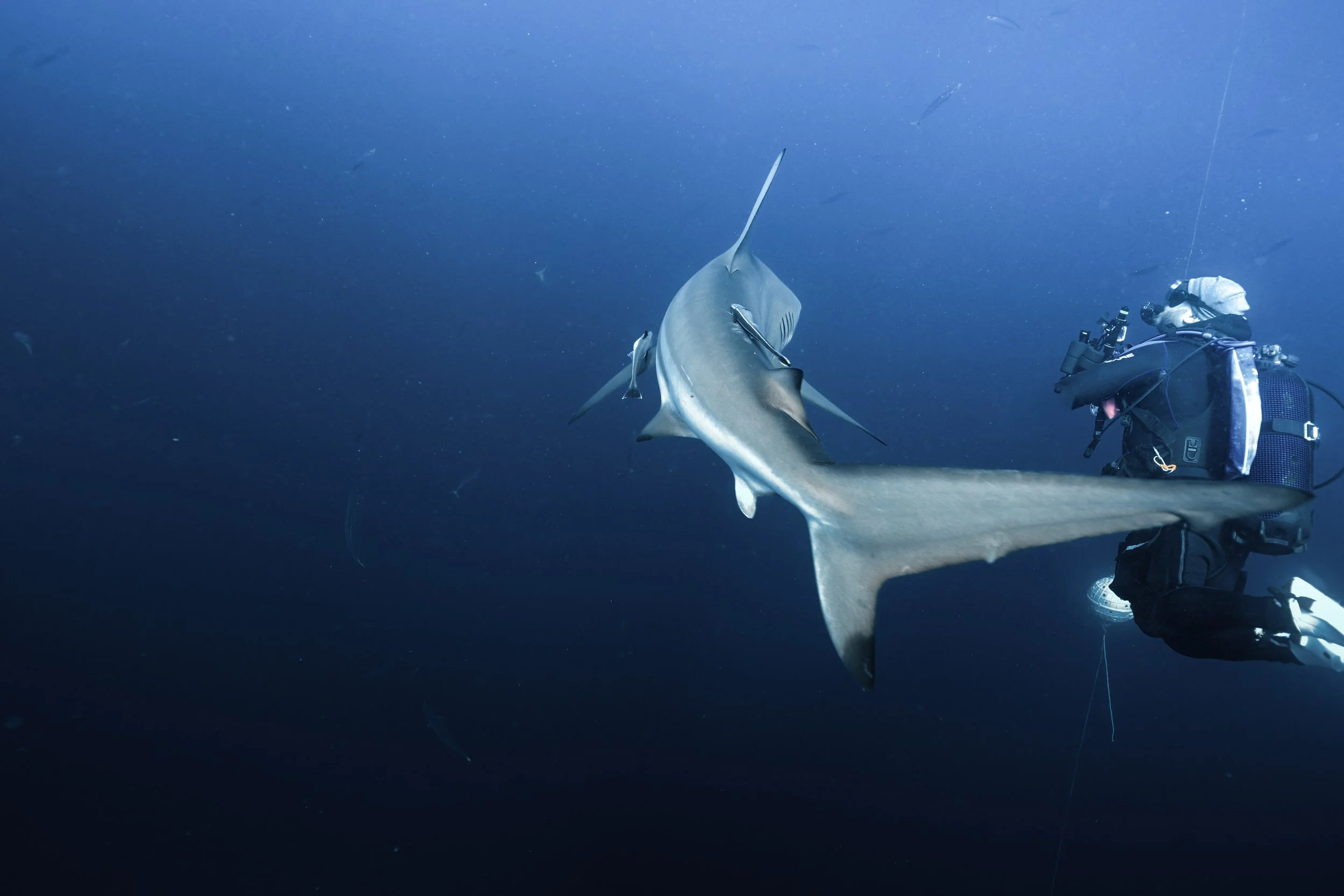
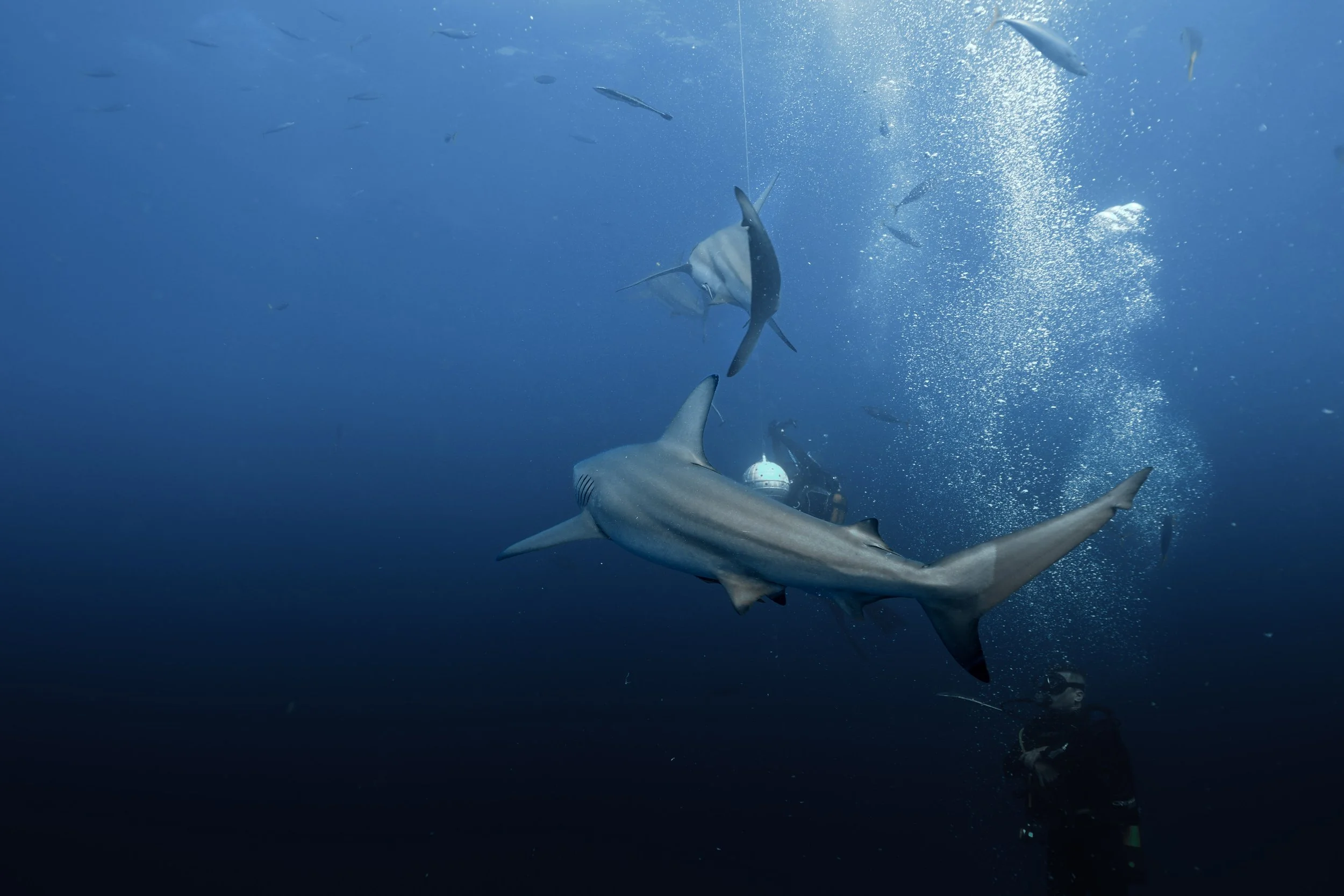
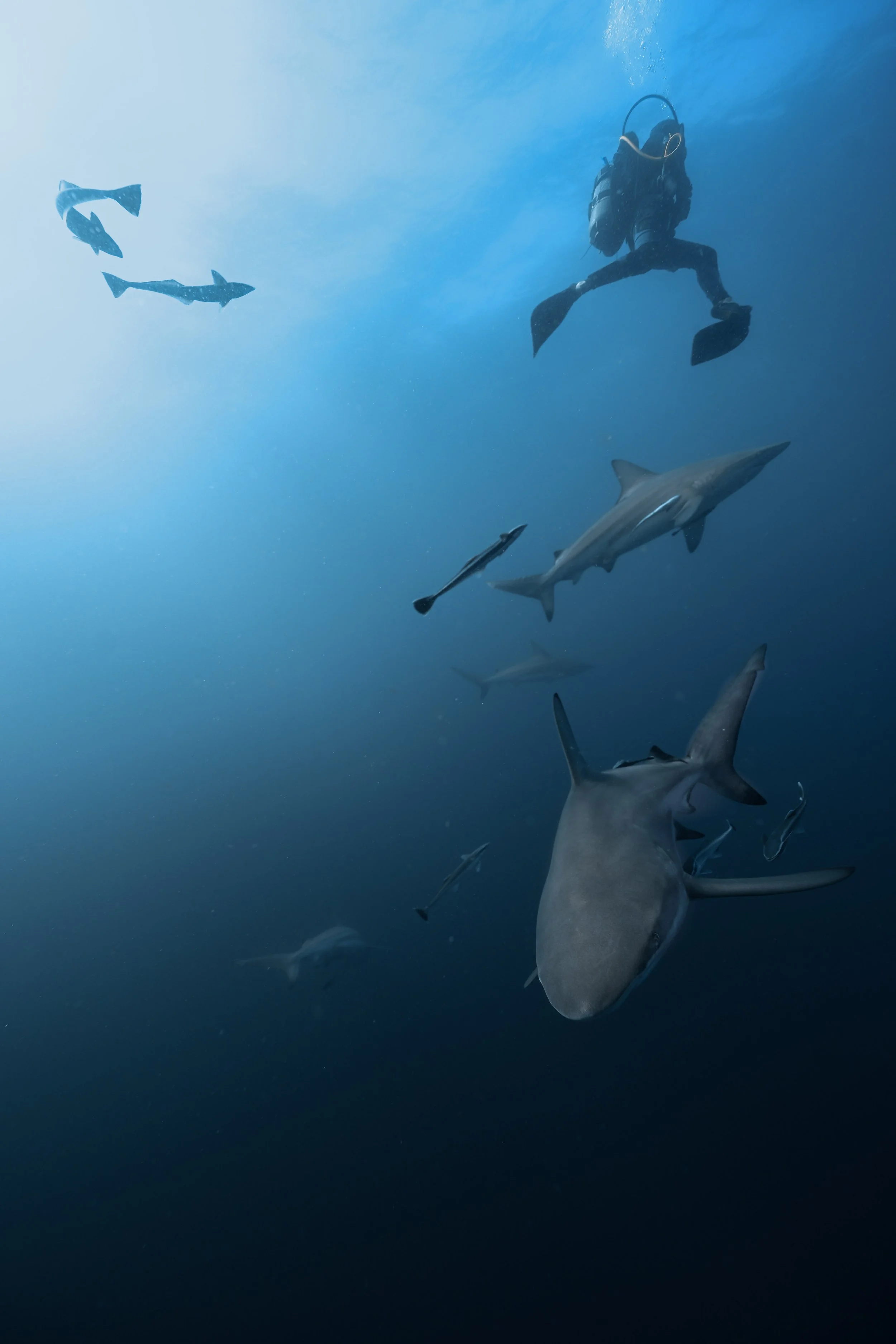
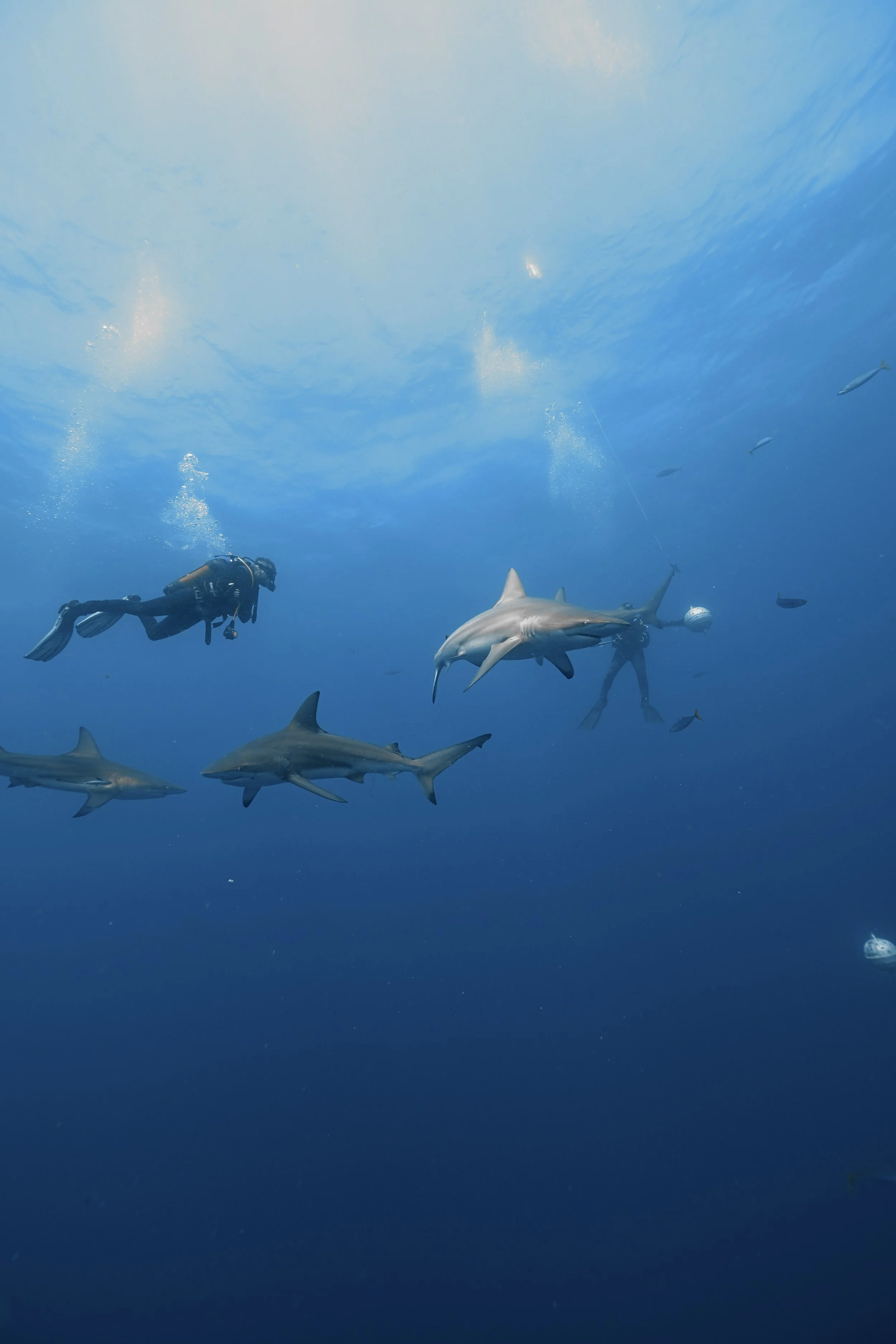
Dive-industry sources describe a changing cast through the year. Oceanic blacktips are by far the most common sharks at Protea Banks, and ragged-tooth sharks peak from mid-June to the end of July. The sardine run in June and July brings other sharks, such as copper (bronze whaler) sharks, and tiger sharks are often seen in summer, with bull sharks mentioned especially in November. For Aliwal, one dive writer reports September as the best month for blacktip sharks. Hammerheads are the hardest to pin down: one operator reports large schools of scalloped hammerheads between November and May, while another says they follow no seasonal pattern. My February-March sighting fits the first window, but the sea keeps its own calendar.
Blacktips
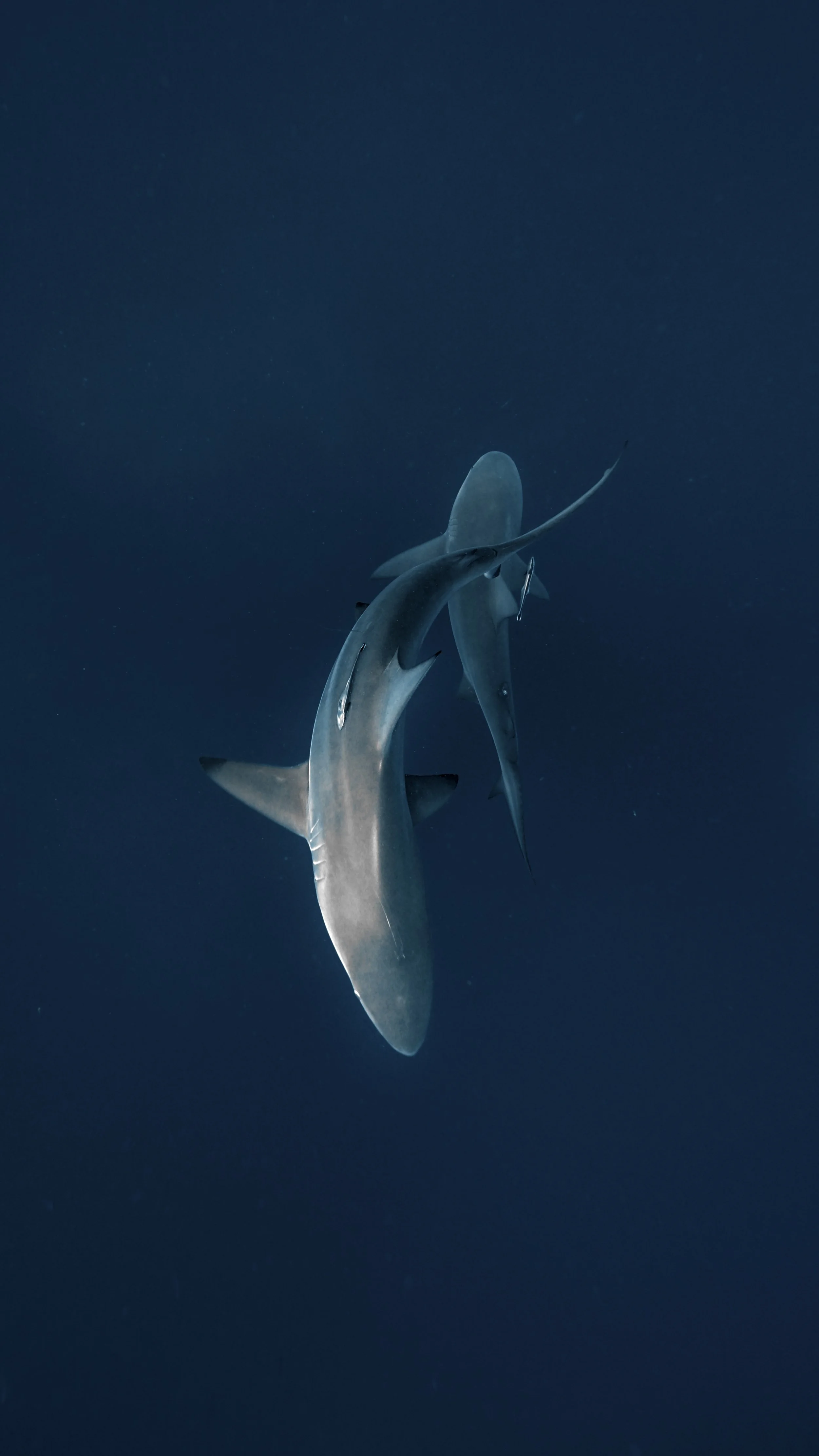
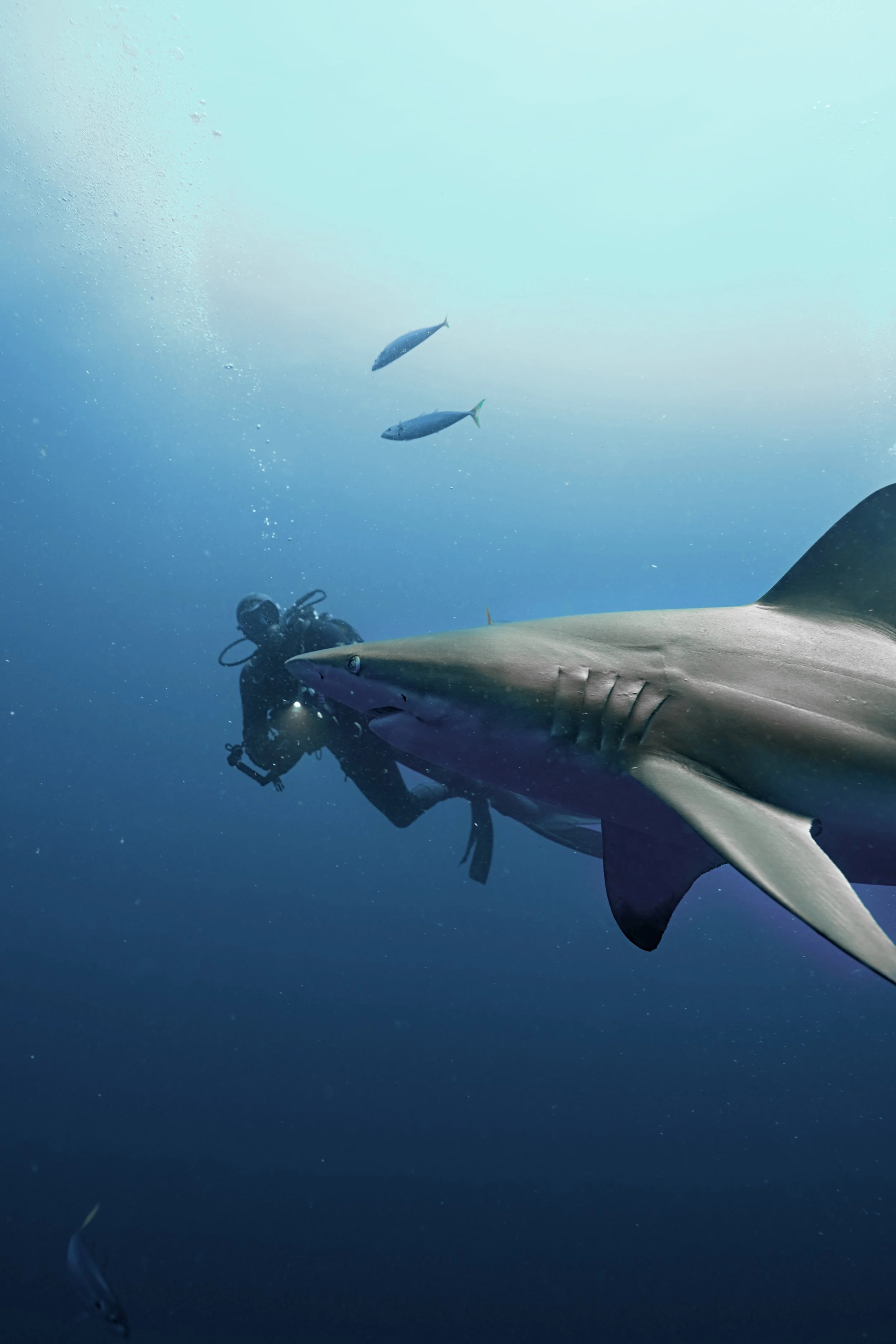
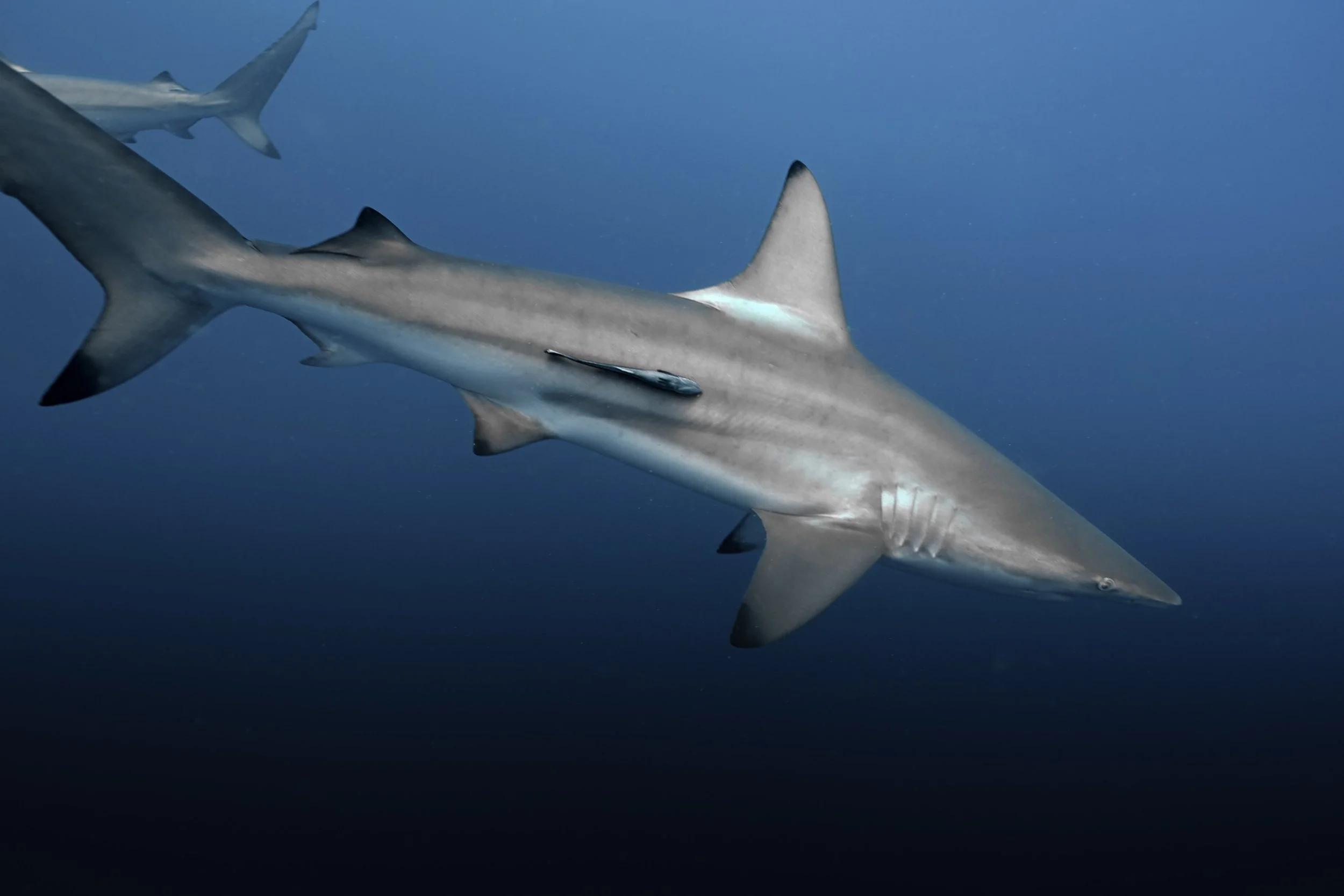
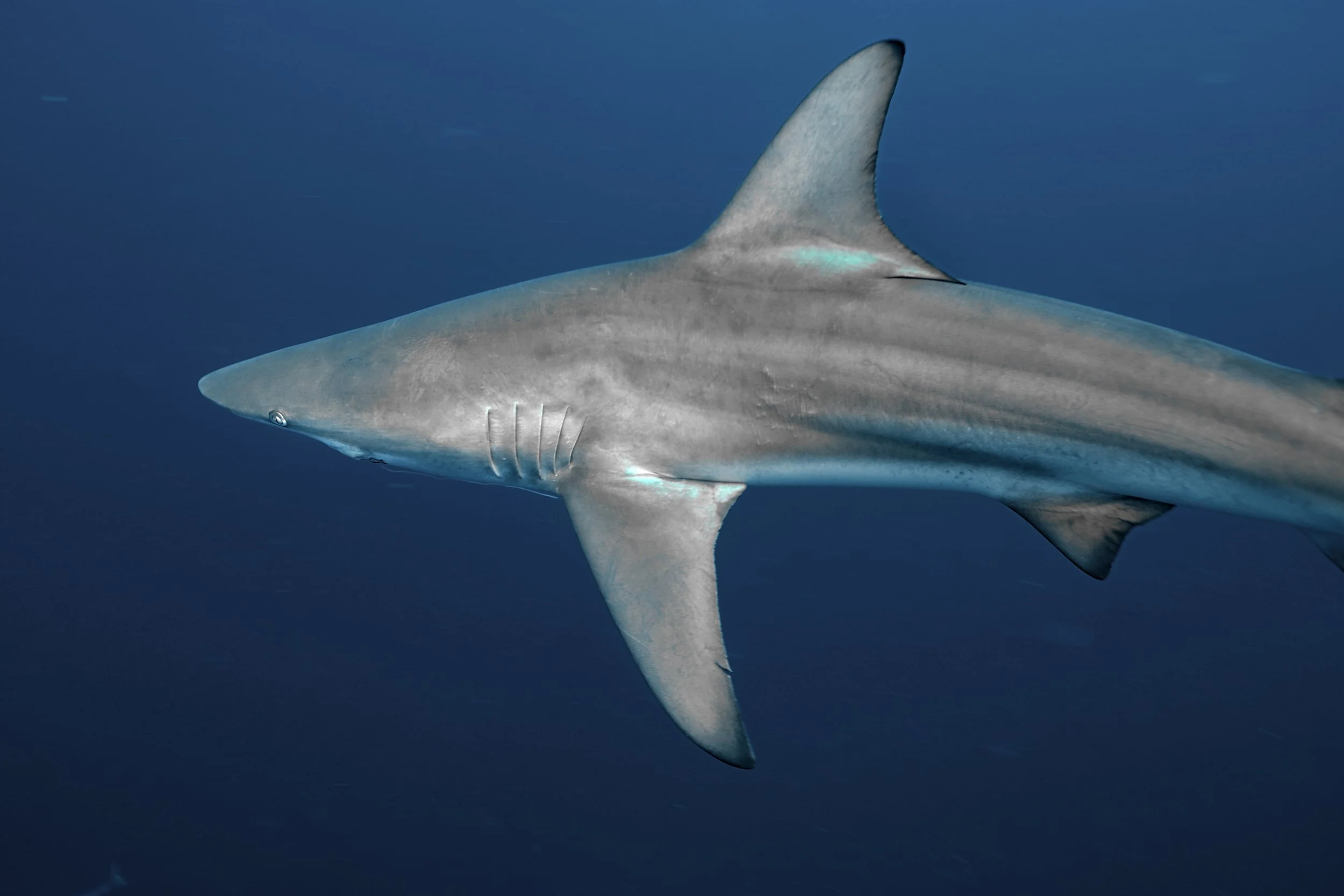
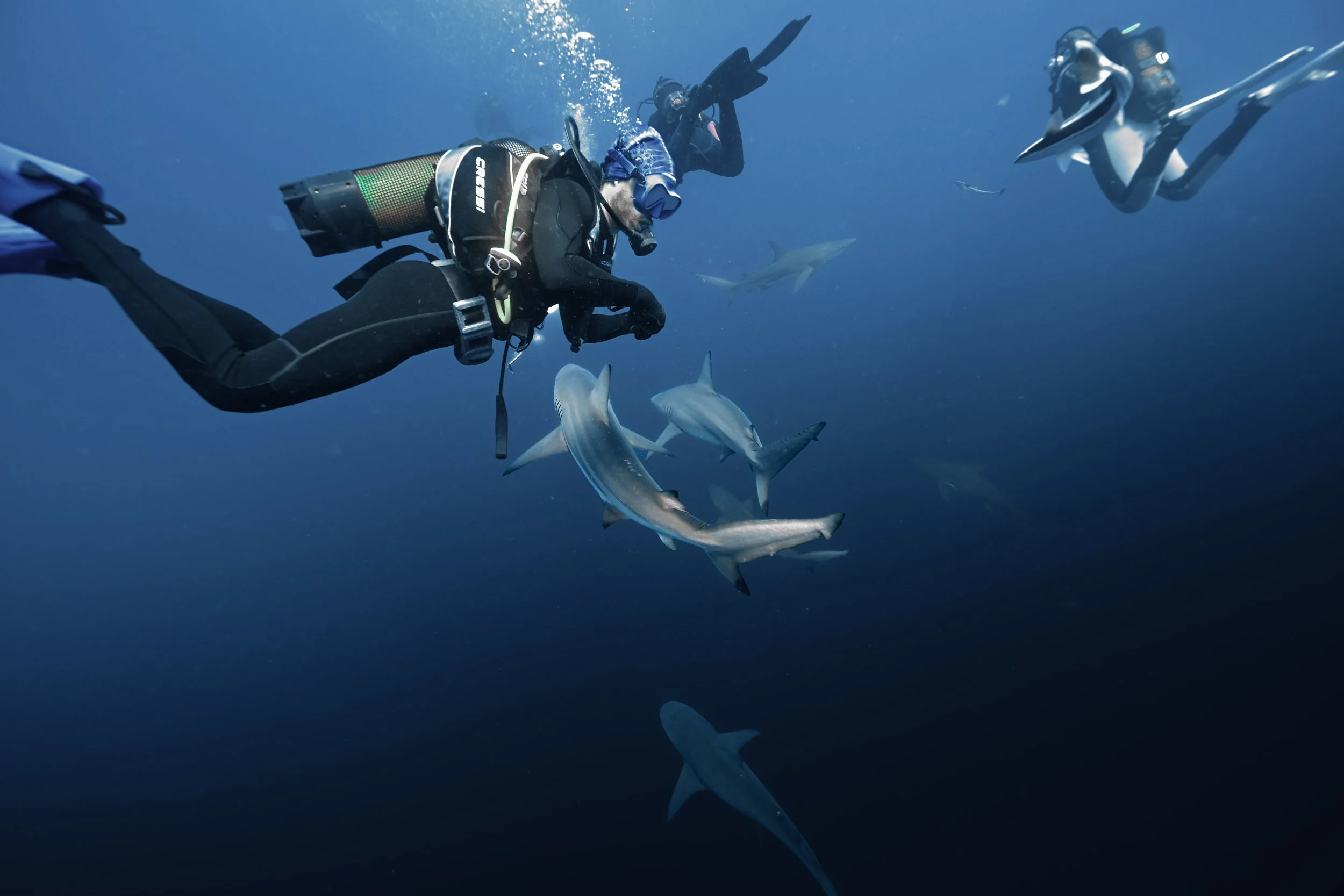
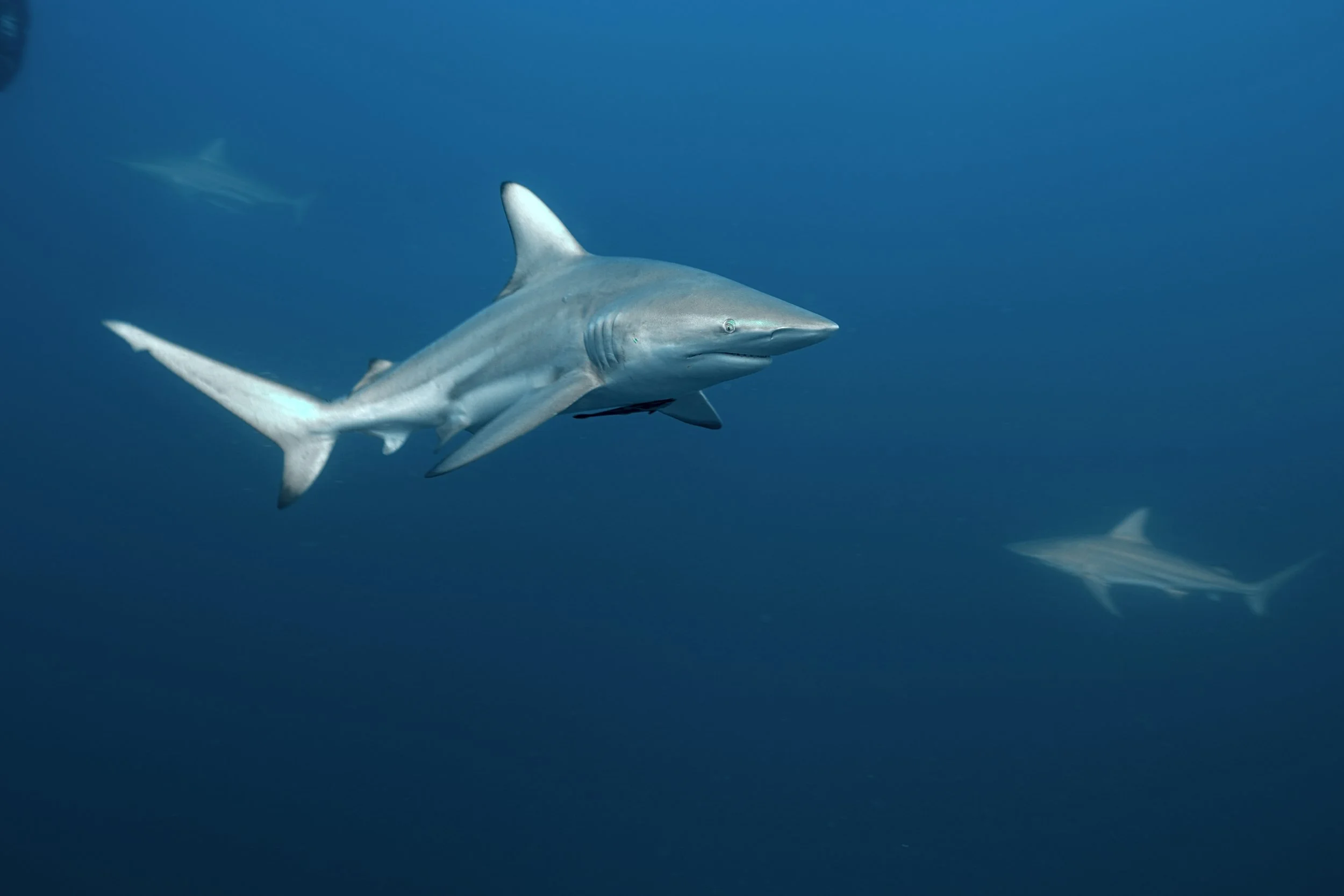
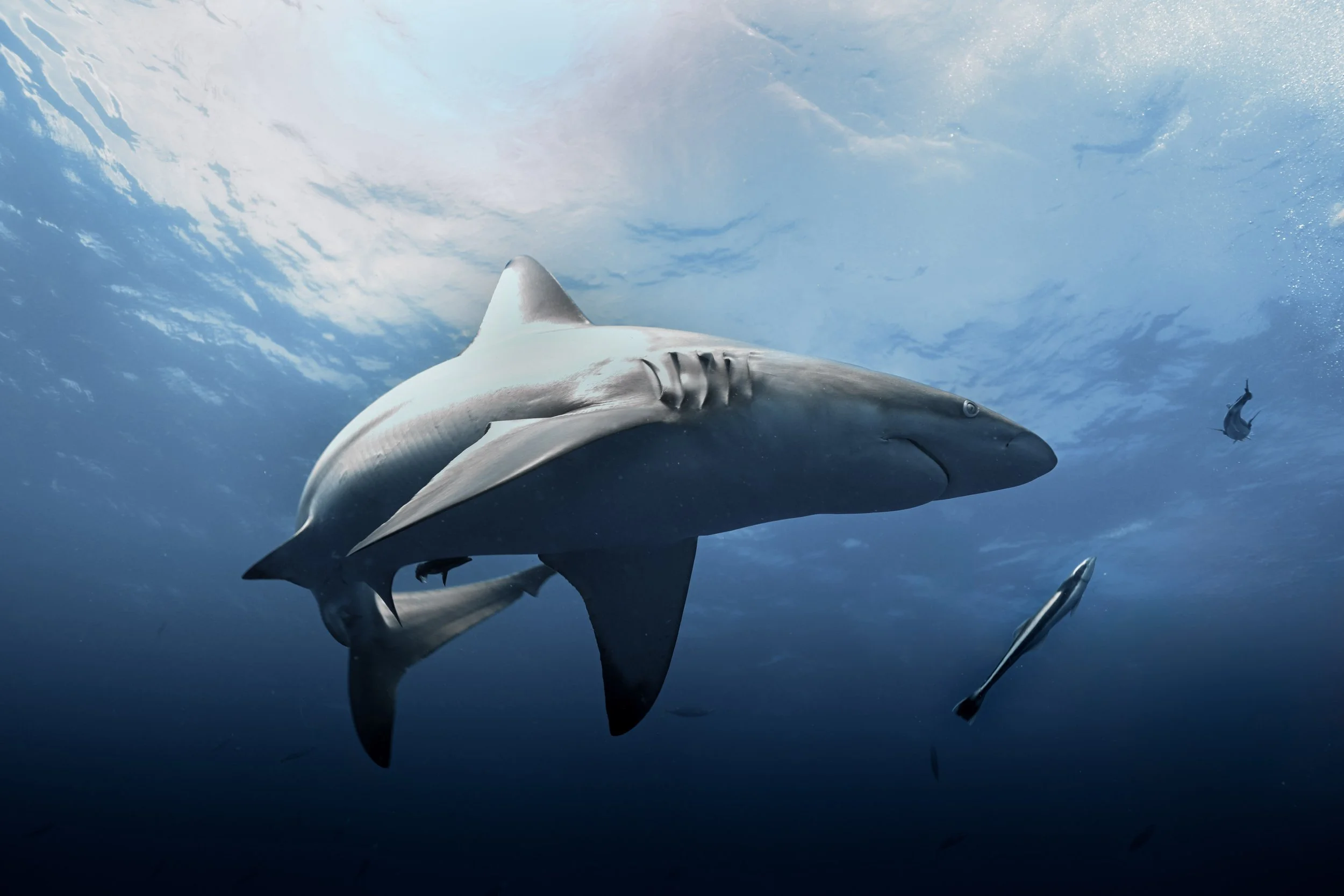
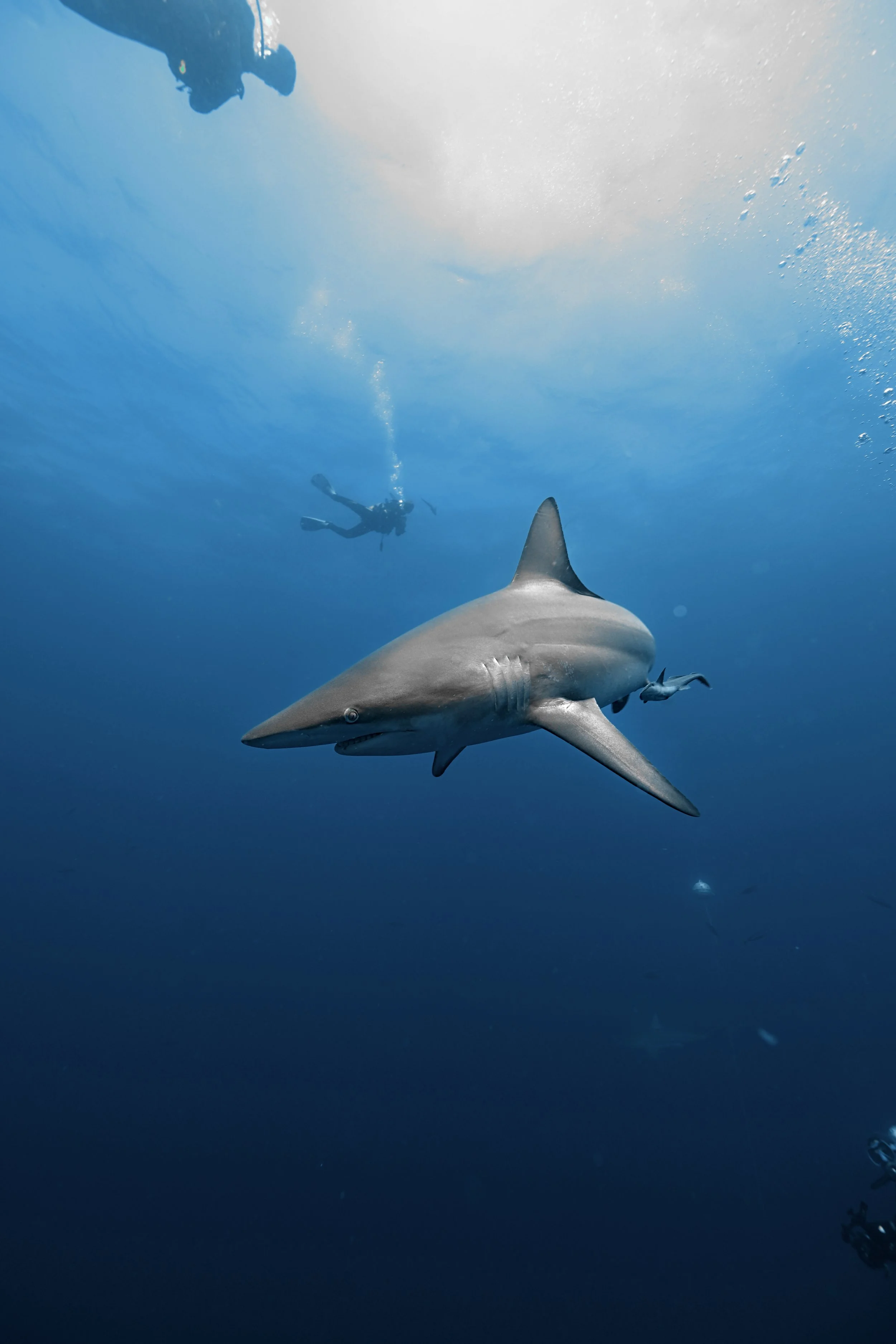
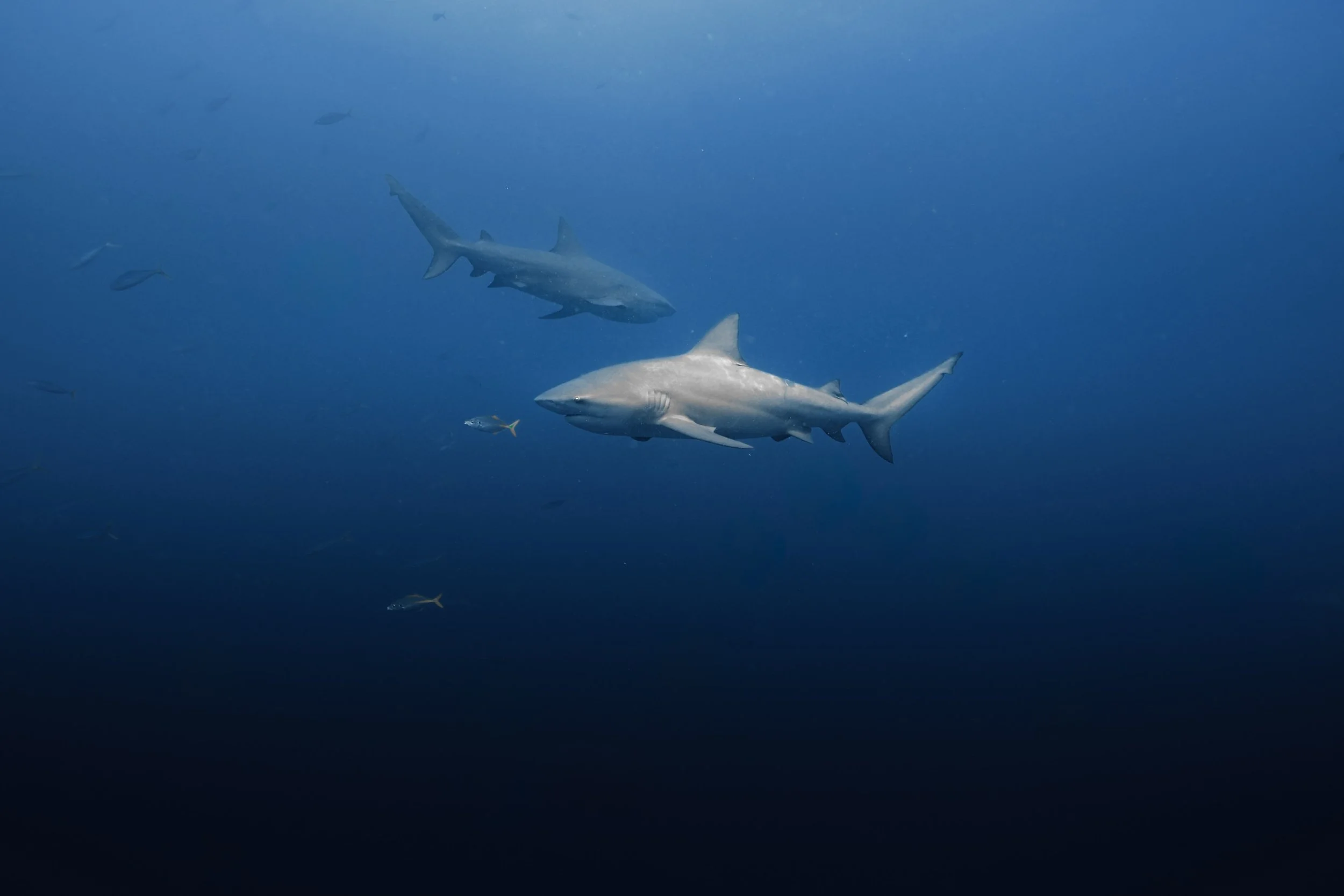
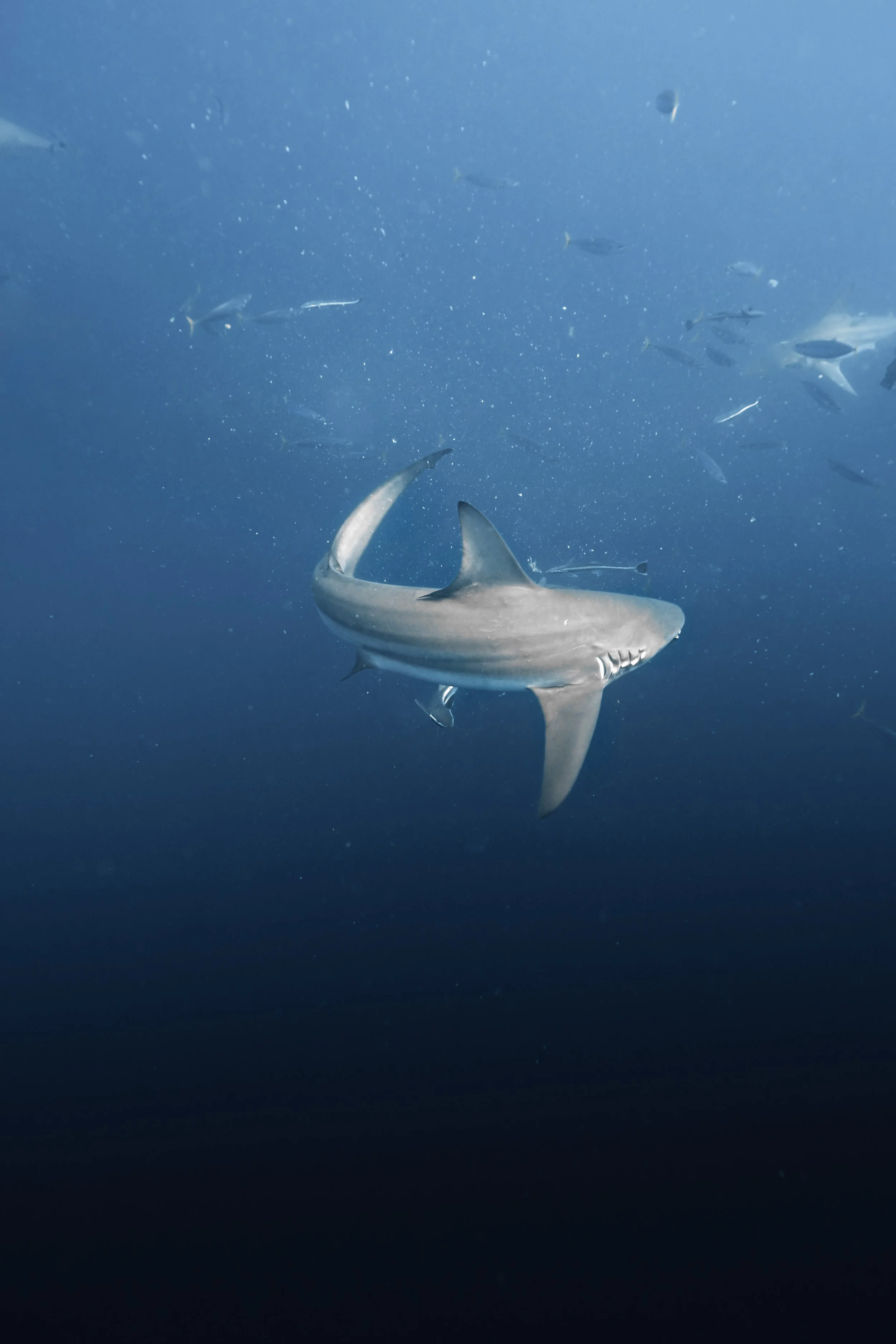
The blacktip shark (Carcharhinus limbatus) is a stout shark with a long, narrow, pointed snout and a first dorsal fin that is high. It feeds mainly on pelagic and benthic fishes, but also takes small sharks, rays, cephalopods and crustaceans, and produces litters of one to ten pups. It was assessed as Vulnerable by the IUCN in November 2020. Some naturalists note that blacktips are usually shy and hard to approach unless a natural feeding event, like the sardine run, but I found them particularly curious. Their behaviour probably changes with context: what looks like boldness on a baited dive may be simple motivation, and an unbaited encounter can feel completely different.
Built to swim
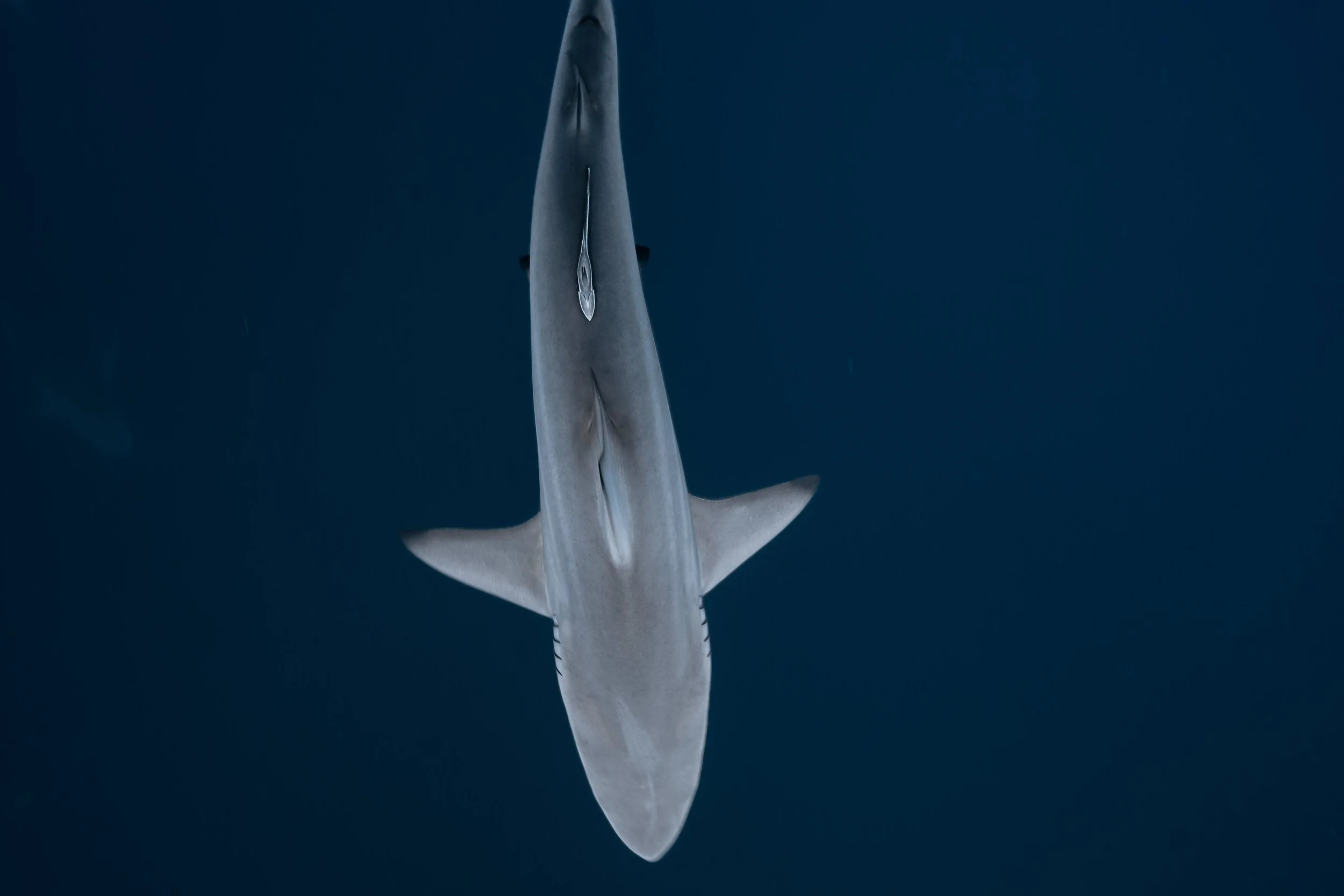
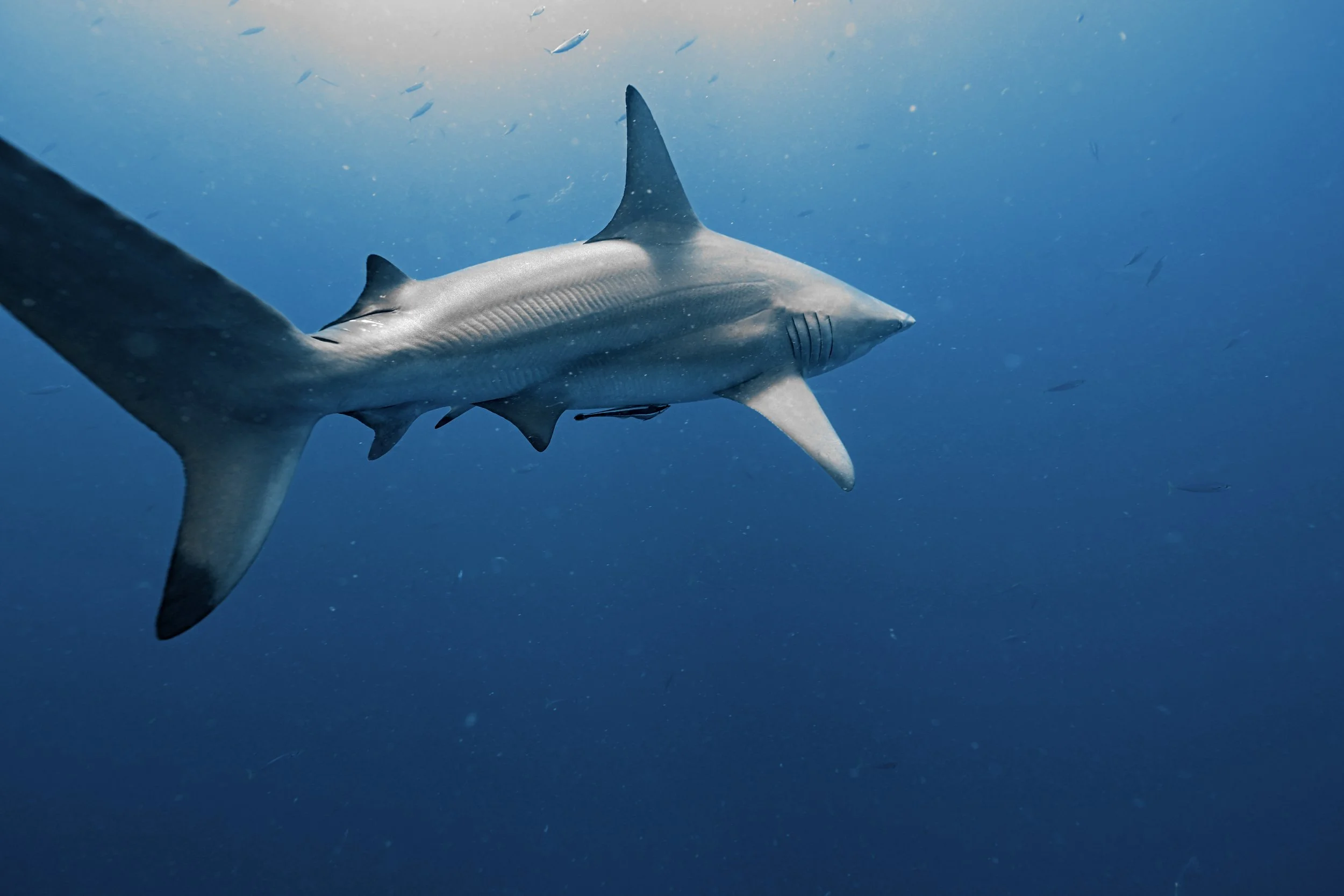
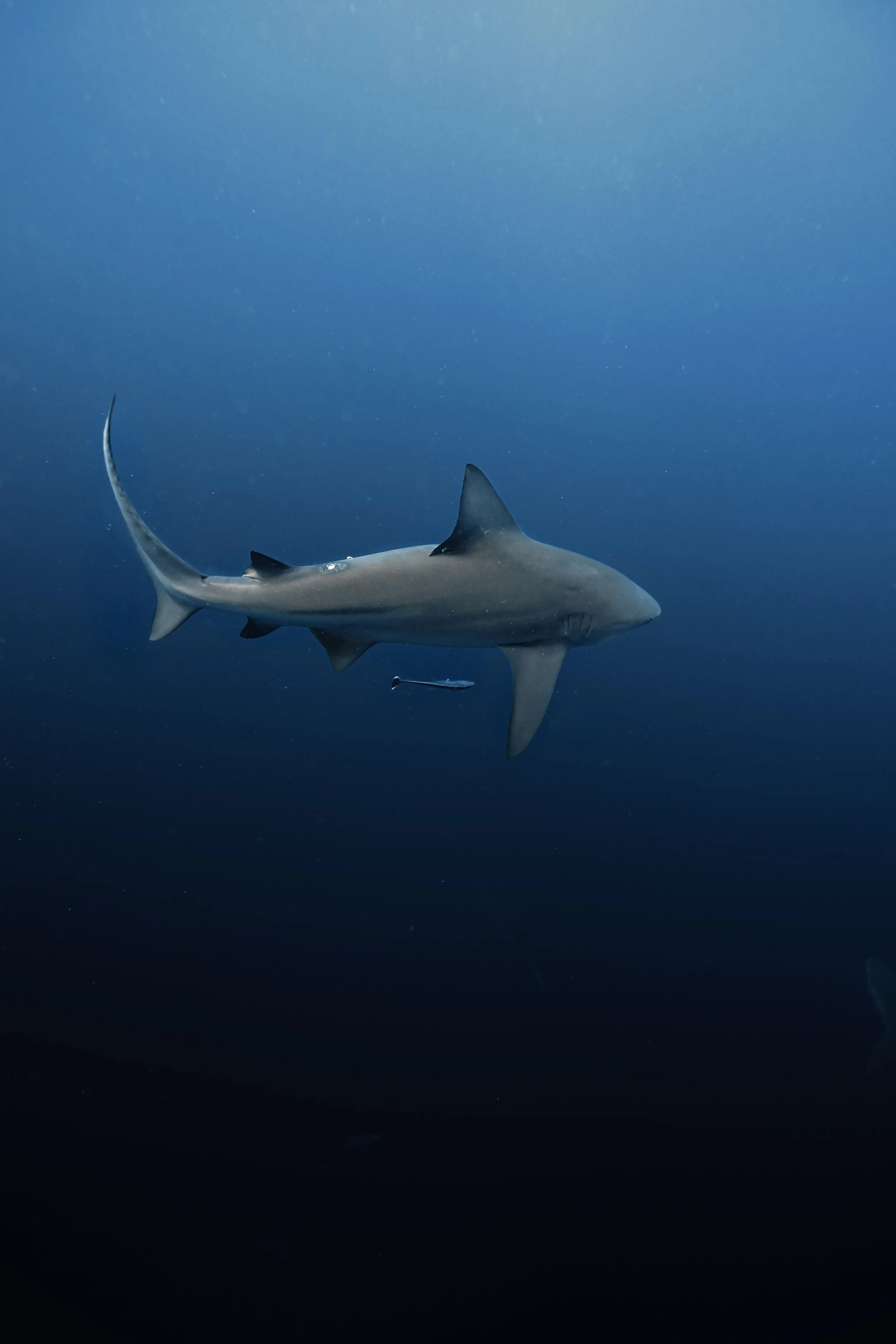
What looks like muscle definition on a shark’s flank is its engine. The body bends sideways for swimming when muscle on one side activates. These blocks contain aerobic red fibres and glycolytic white fibres, together making up 50% or more of body mass in fishes. In most fishes the red muscle sits just under the skin and powers steady cruising, while burst swimming uses the white muscle. Lamnid sharks such as the mako are the exception, with red muscle deep inside the body and the ability to keep it warmer than the water.
Syme DA, Shadwick RE. Red muscle function in stiff-bodied swimmers: there and almost back again. Philos Trans R Soc Lond B Biol Sci. 2011 May 27; 366 (1570): 1507-15 https://pmc.ncbi.nlm.nih.gov/articles/PMC3130444/
Bernal, D., Donley, J., Shadwick, R. et al. Mammal-like muscles power swimming in a cold-water shark.Nature 437, 1349–1352 (2005). https://doi.org/10.1038/nature04007
Bull sharks
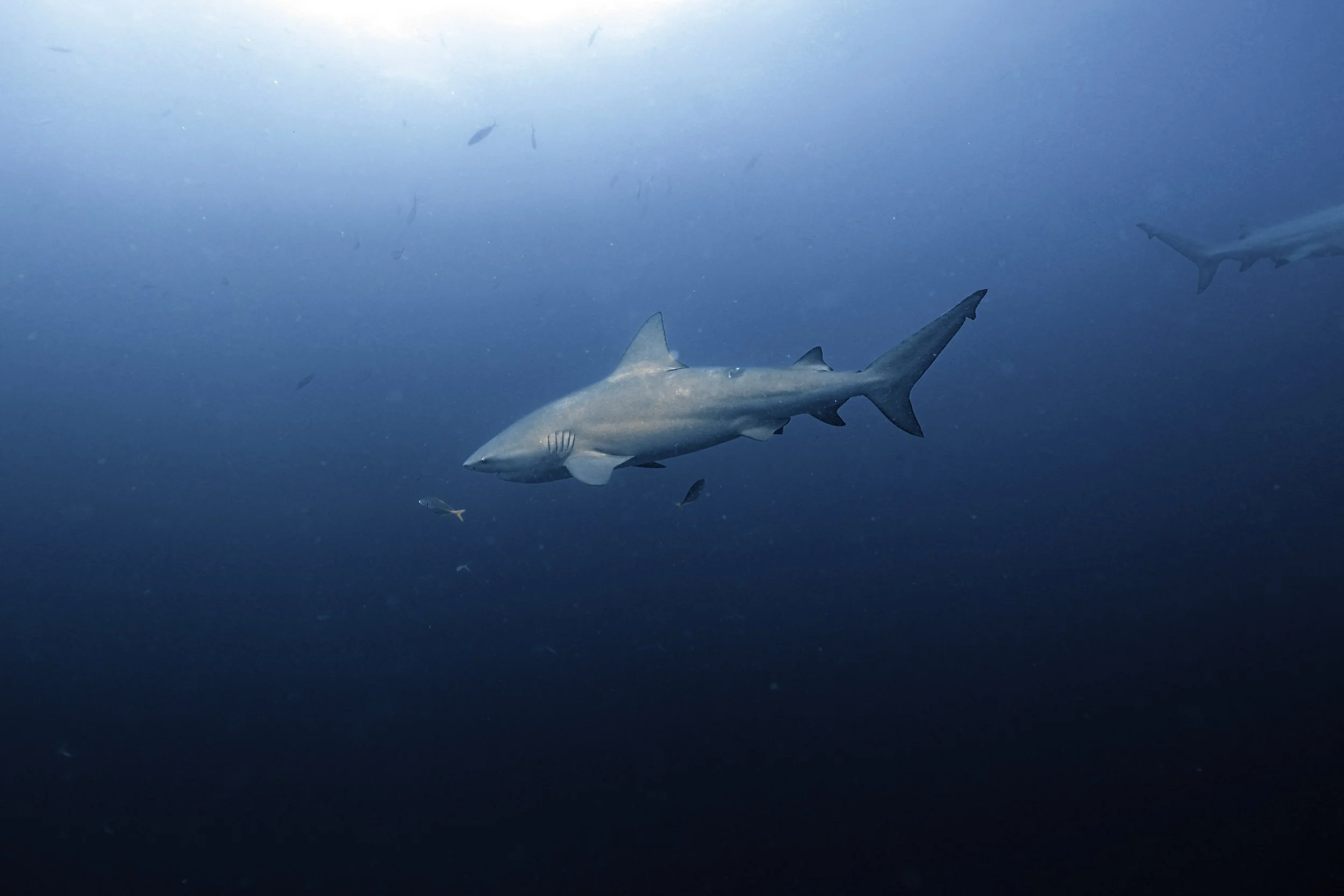
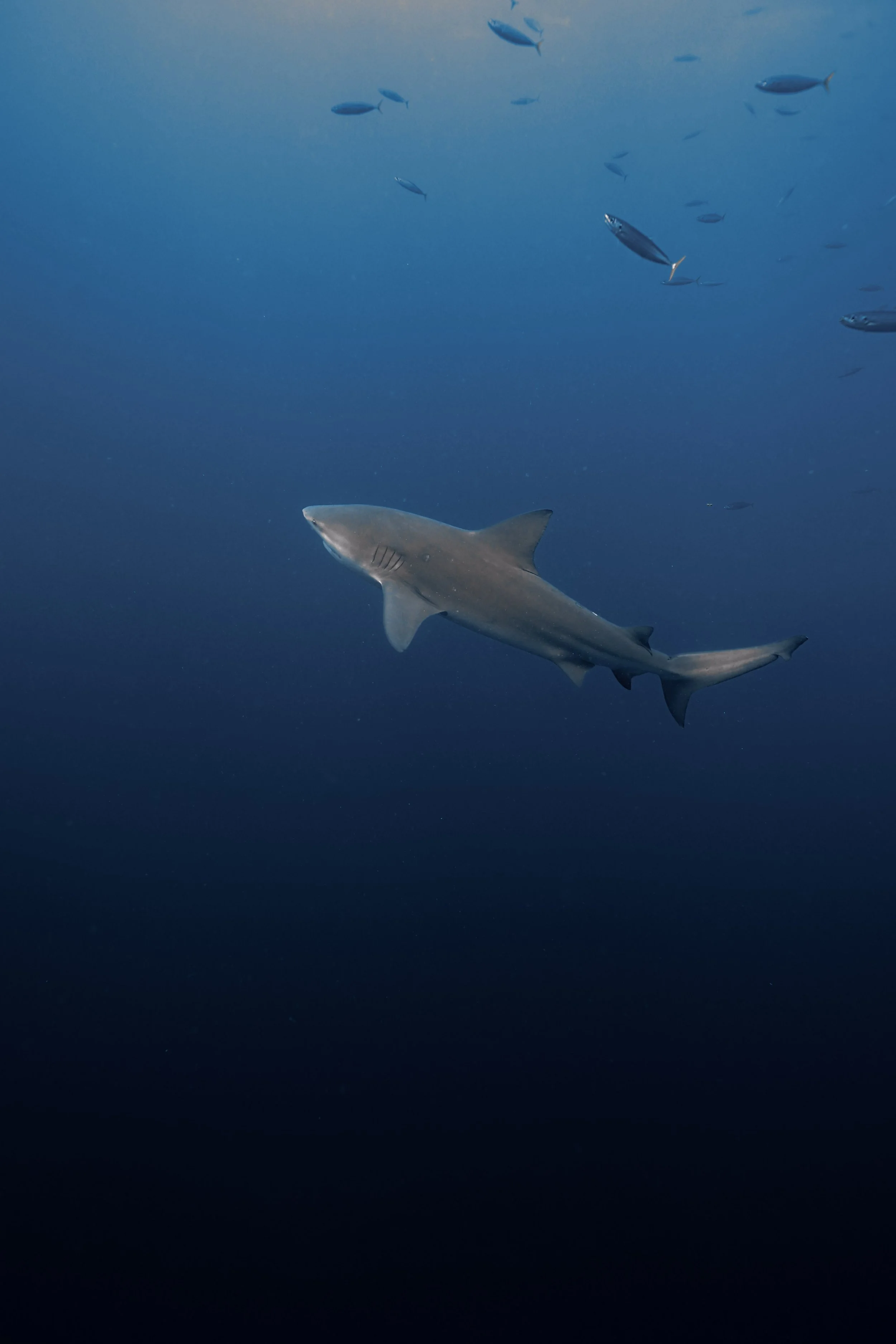
The bull shark, Carcharhinus leucas, called Zambezi shark in Africa, has a bite force of up to 5,914 newtons, the highest of any cartilaginous fish studied once body weight is taken into account. It is also famous for entering rivers, and this is physiology: in freshwater it lowers the urea content in its tissues and passes excess water as very dilute urine, and it reduces the activity of its rectal gland, which normally removes salt, to conserve sodium and chloride. It is not a true freshwater shark. Its IUCN status is listed as Vulnerable in recent sources, although older ones say Near Threatened, citing insufficient data on population trends.
Lagabrielle E, Allibert A, Kiszka JJ, Loiseau N, Kilfoil JP, Lemahieu A. Environmental and anthropogenic factors affecting the increasing occurrence of shark-human interactions around a fast-developing Indian Ocean island. Sci Rep. 2018 Feb 27;8(1):3676. https://pubmed.ncbi.nlm.nih.gov/29487378/
Sharks are not a show: how to meet them well
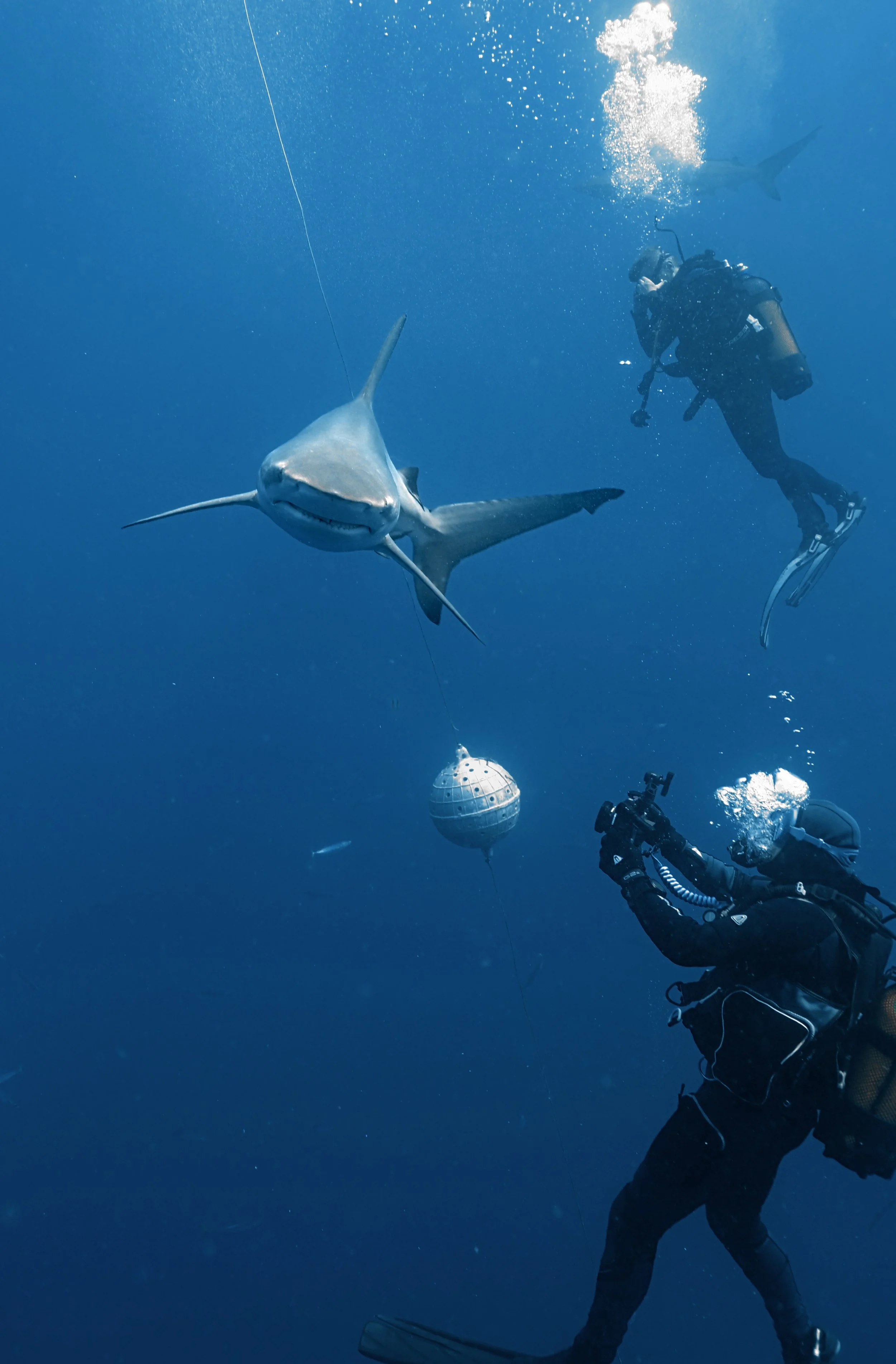
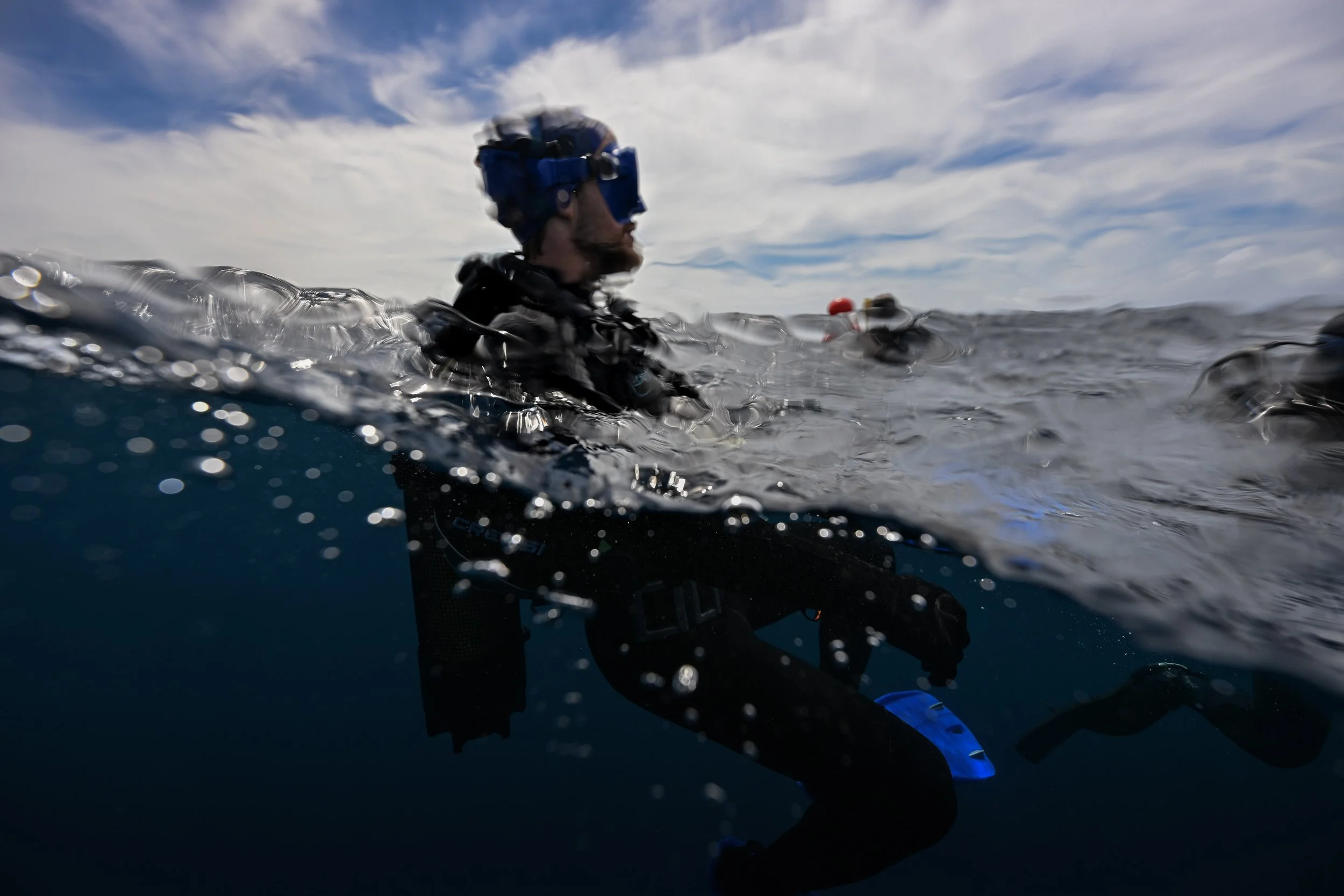
The baited dives gave me my closest encounters, sharks circling the divers, calm and focused. I’m grateful for them. But I also think they come with a responsibility, because not all bait is the same.
Scent is not reward
An odour attracts sharks, but a meal might change them. A study on Port Jackson sharks found that behaviour can change when sharks are frequently rewarded with food, but the learnt response fades when rewards become less frequent and disappears without any. In another experiment, 11 captive juvenile sharks were exposed to the smell of squid three times a day for 21 days with no reward, and their response declined: they learned not to waste energy on a food source they could not reach. In South Africa, research on white shark cage diving points the same way. Some conditioning may occur when operators let sharks feed on the bait, while sharks that never get a reward lose interest in the boat. One study at Dyer Island concluded that operators must avoid letting sharks take bait.
https://news.flinders.edu.au/blog/2022/04/20/sharks-lose-natural-response-with-prey-if-not-rewarded/
The temptation is easy to understand: smell alone fades, and tourists come hoping for crowds. The same South African fact sheet notes that cage diving clients arrive expecting a dramatic “Jaws experience”, and suggests limiting the amount of bait carried on boats, enforcing compliance with regulations, and making tourists aware of the rules.
What changes when food is regular
A review of 22 studies found that provisioning most often alters how sharks move, with effects that spread to groups and communities and can change their health condition and behaviour toward humans. Another review lists the concerns as altered natural behaviours and foraging areas, and the risk of linking people with food, yet also concludes that done carefully and responsibly, shark diving can bring net conservation benefits for a few species. Results vary: tiger sharks tracked by satellite in the Bahamas showed no large-scale behavioural effects, and overall effects depend on population, species, location and context. Most of this evidence comes from white sharks, tiger sharks and reef sharks. For the blacktips and bull sharks I photographed, I could not find dedicated studies. That is a reason for caution, not for reassurance.
Brena PF, Mourier J, Planes S, Clua E (2015) Shark and ray provisioning: functional insights into behavioral, ecological and physiological responses across multiple scales. Mar Ecol Prog Ser 538:273-283https://doi.org/10.3354/meps11492
What I’d ask of any operator
Use scent first. Don’t let sharks eat the bait. Carry limited quantities. Follow the regulations, and be honest with guests about what they will, and won’t, see. The best shark dive isn’t the one with the most sharks. It’s the one that leaves them, and what they expect from us, as we found them.
Open Ocean
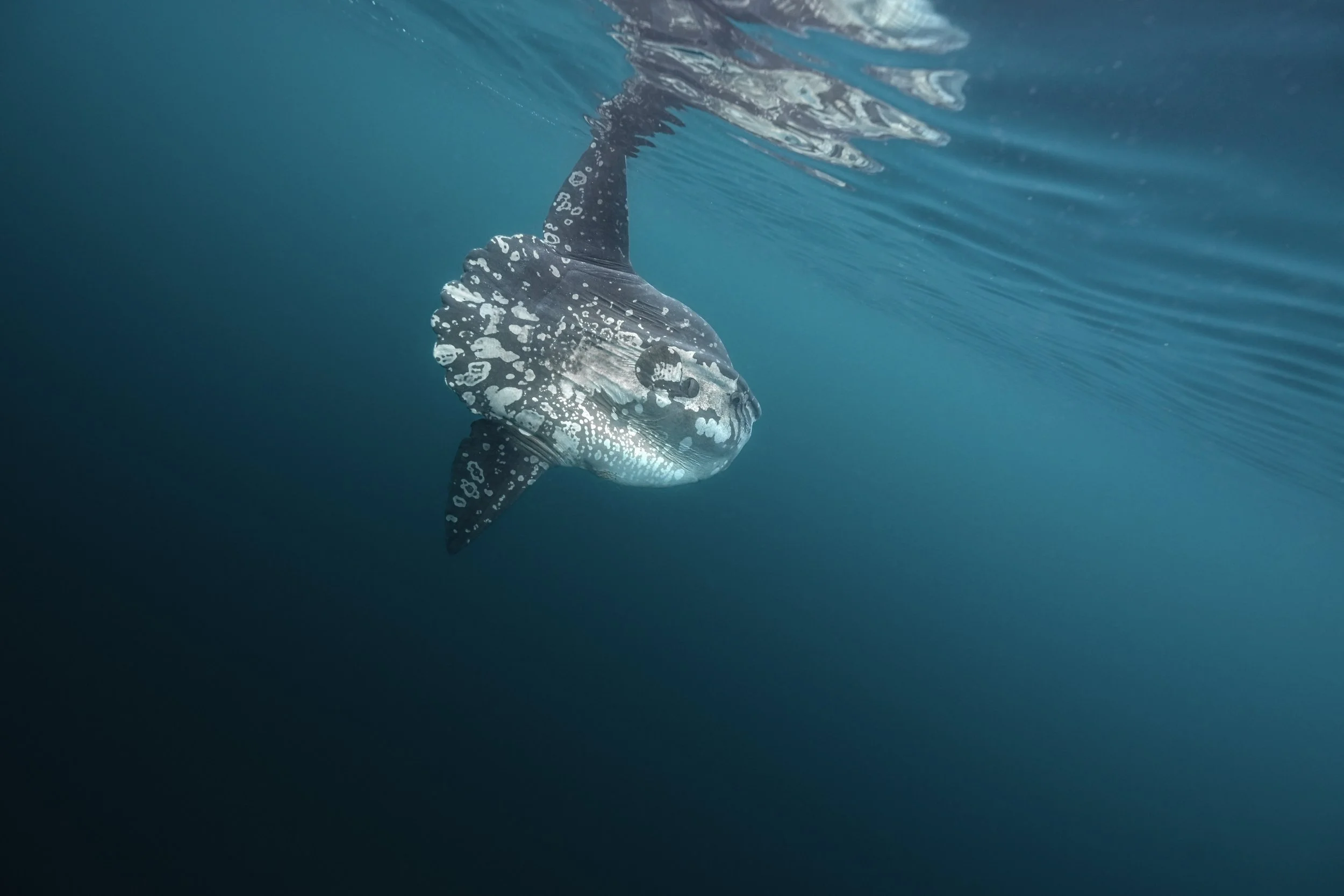
Between two dives off Simon’s Town, our boat was drifting at a surface stop when someone spotted a big round shape on the surface: a sunfish, lying on its side. I jumped in with my camera, no gloves, no time. I got the photograph. I also got a bluebottle across my bare hands while holding the housing. We can find the ocean sunfish in temperate and tropical seas worldwide, and is the world’s heaviest bony fish, reaching up to 2.3 tonnes. Despite its fame, relatively little is known about its biology and ecology.
Mola mola
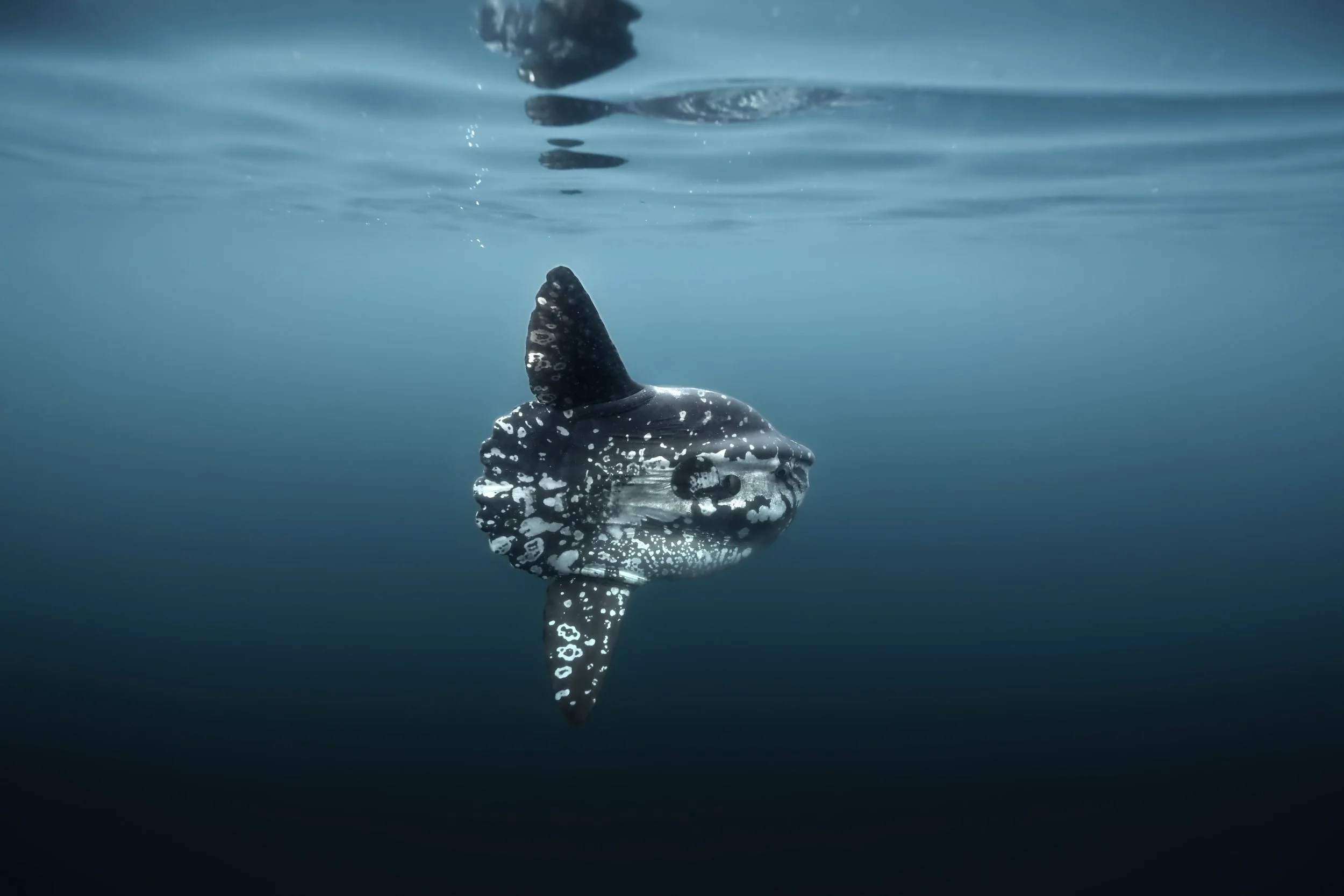
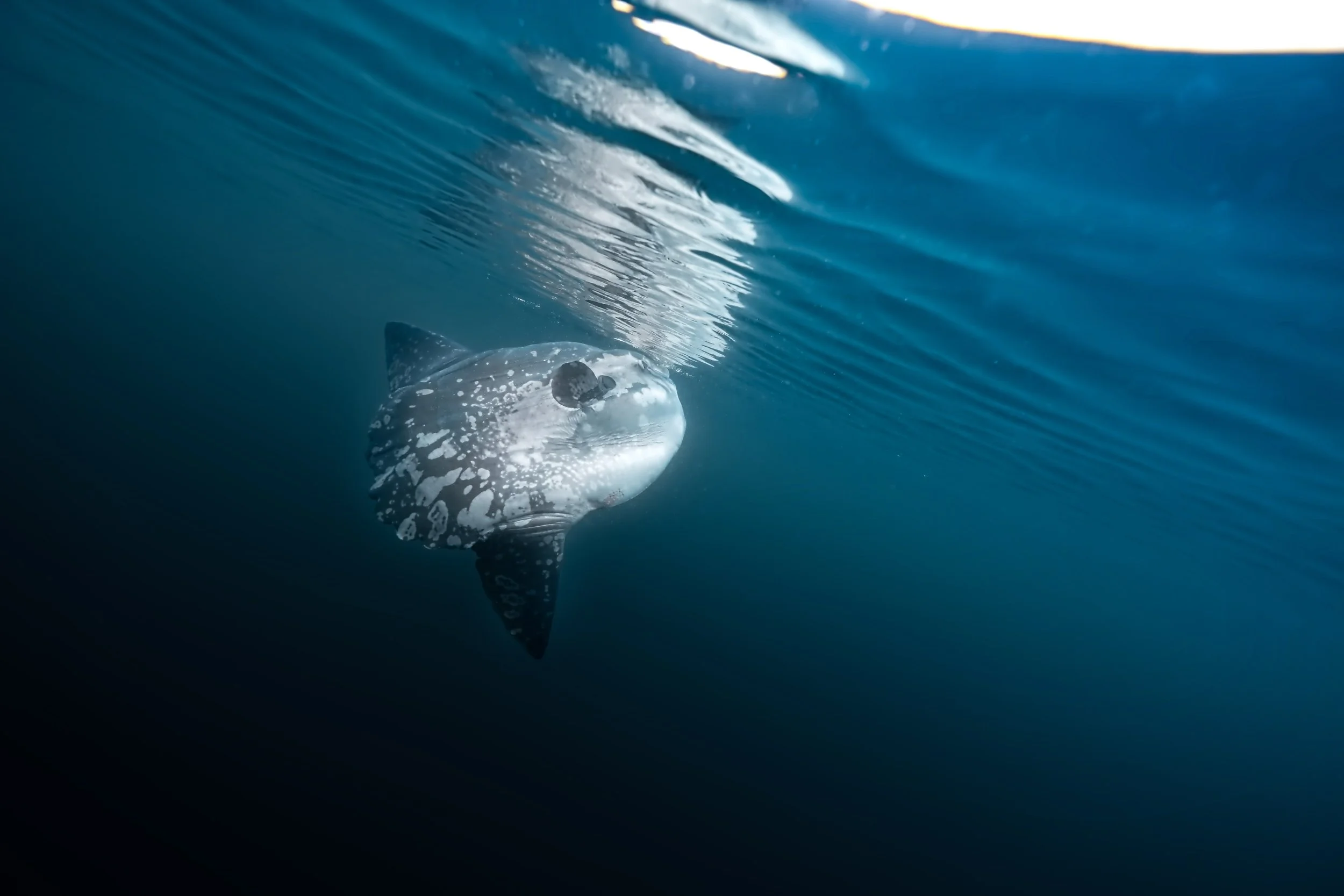
That posture is called basking. The ocean sunfish is often seen resting at the surface, and one suggestion is that it warms up after diving into cooler water to feed. It is also a jelly-eater: it feeds on jellyfish and salps, and smaller individuals under a metre in length have about half their diet made of jellyfish and half of seafloor animals. It manages stinging prey thanks to a mucus-like lining in its digestive tract. I had no such lining.
For years the sunfish was thought to be a passive drifter, but that view now seems entirely misplaced. Tagged sunfish off Japan spent about 40% of the day in the top five metres and the rest diving to depths of up to 200 m, where cameras showed them chasing jellyfish-like animals, mostly siphonophores, and the body temperature data showed they lost heat when diving deep. Off California, daytime dives below the thermocline were repeated, and the time spent in the warm surface layer after a dive increased with dive depth, suggesting behavioural thermoregulation. The fish I photographed dropped away and came back, which matches this daily rhythm, though I can’t say whether my presence played a role.
Pope, E.C., Hays, G.C., Thys, T.M. et al. The biology and ecology of the ocean sunfish Mola mola: a review of current knowledge and future research perspectives. Rev Fish Biol Fisheries 20, 471–487 (2010). https://doi.org/10.1007/s11160-009-9155-9
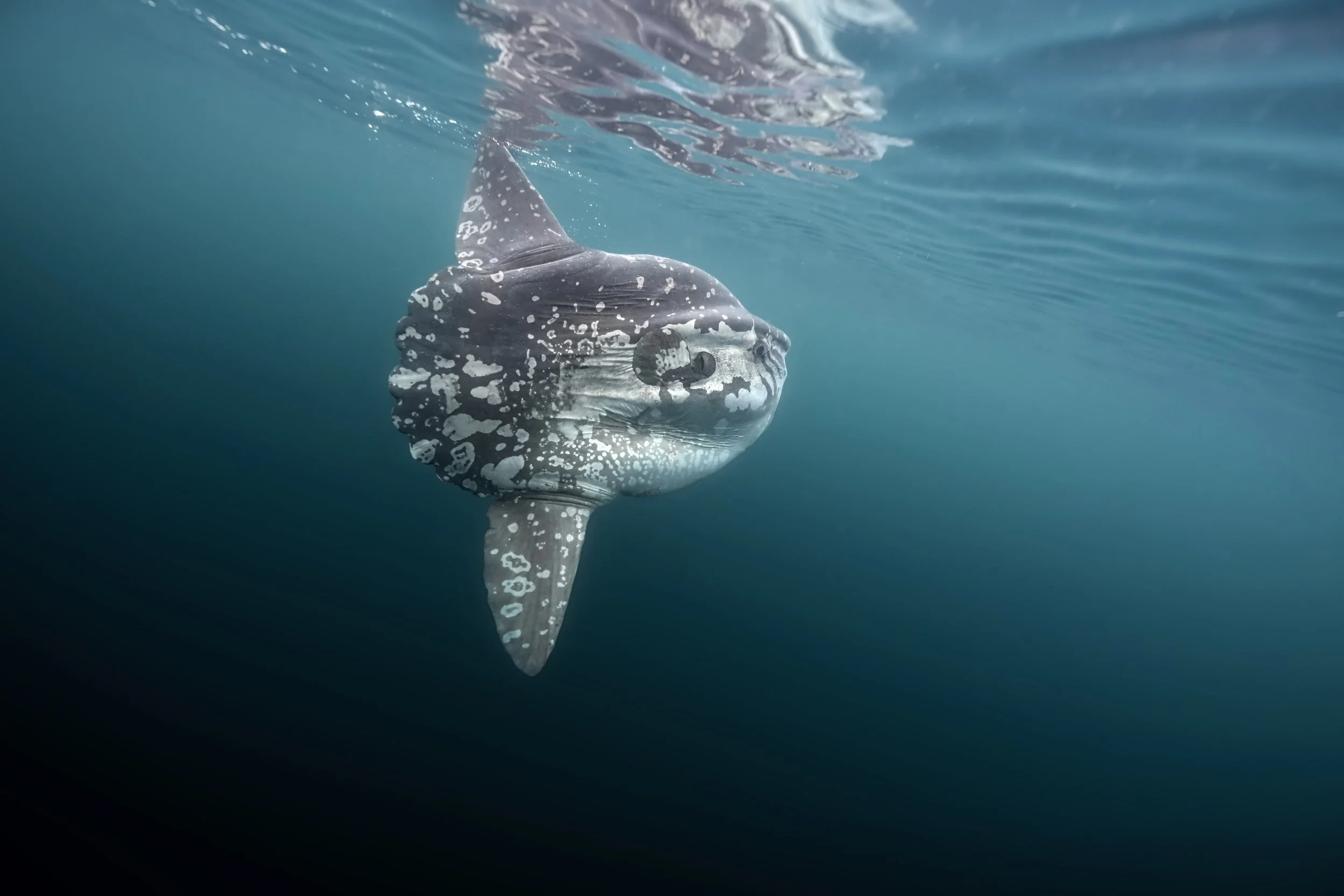
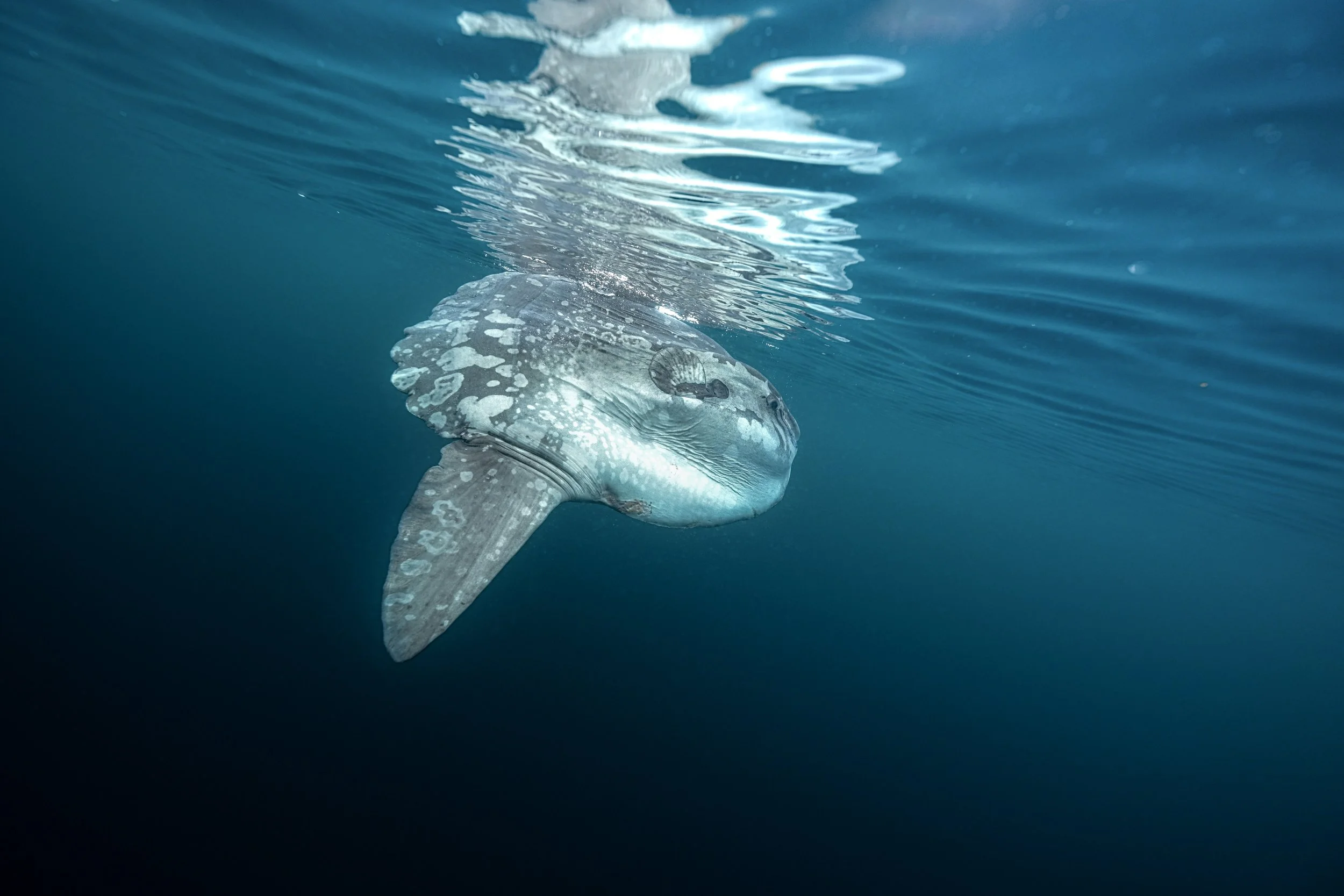
The diet is broader than once thought: smaller sunfish eat mainly small crustaceans and fish, while larger ones eat more cnidarians, making the sunfish a generalist predator with more links in coastal food webs than previously realised.
Who eats a sunfish? Adults have few natural predators, with sea lions, killer whales and sharks among those that will consume them. Yet although sharks are commonly listed as predators, documented shark predation on adult sunfish is exceedingly infrequent in the literature.
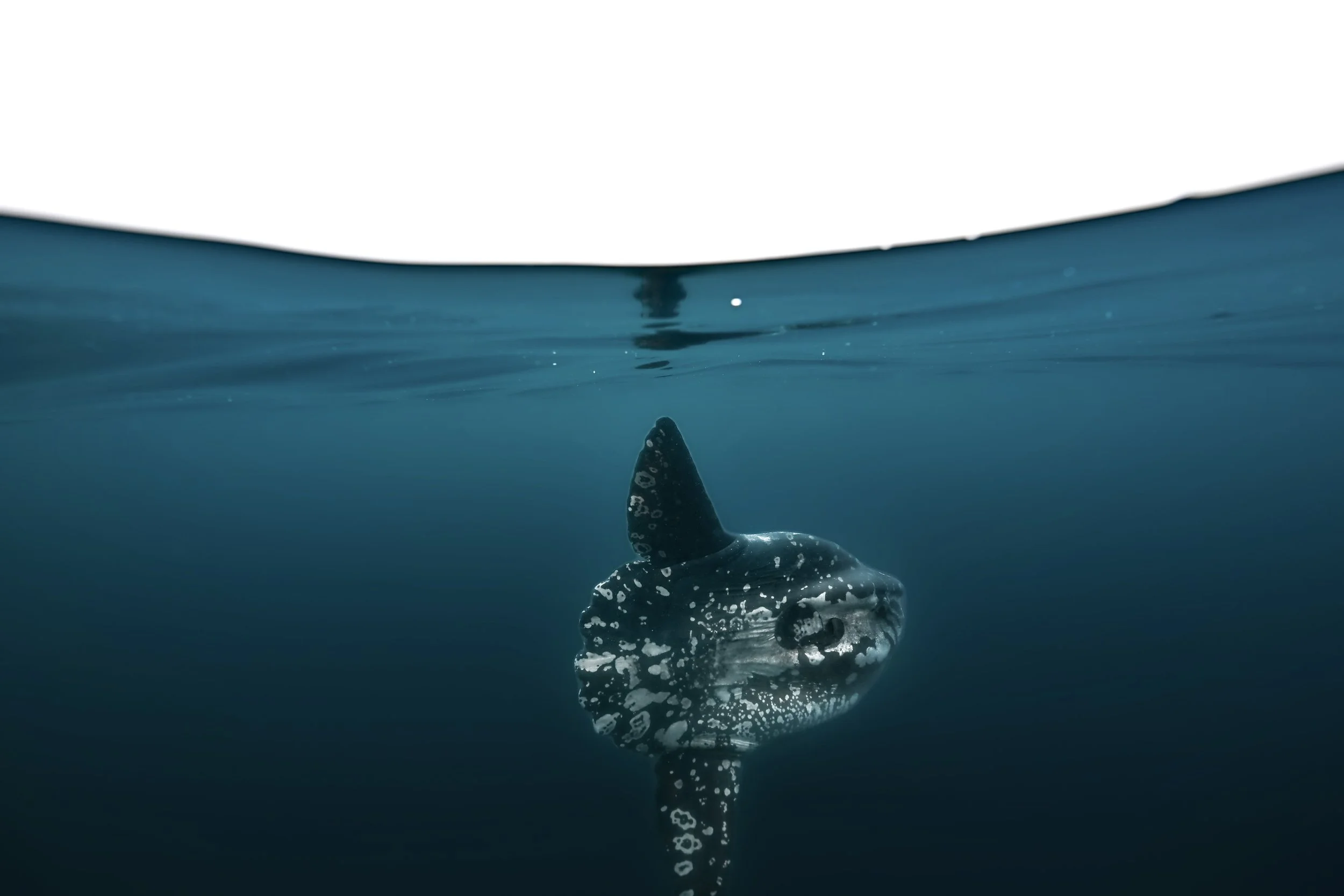
The main contact is accidental. Off California, sunfish were the largest bycatch component, 29% of the total catch, in the drift gillnet fishery for swordfish, and they are frequent bycatch in gillnet and trawl fisheries worldwide, including the South African mid-water trawl fishery. The effect on populations is unknown in all drift gillnet fisheries. In California, researchers suggested that lowering the depth of gillnets could significantly reduce bycatch. Sunfish are also eaten in parts of Asia: in Japan the meat is served as sashimi with the liver used as a condiment, and in Taiwan the intestine is the most prized part.
Cartamil DP, Lowe CG (2004) Diel movement patterns of ocean sunfish Mola mola off southern California. Mar Ecol Prog Ser 266:245-253https://doi.org/10.3354/meps266245
Dolphins
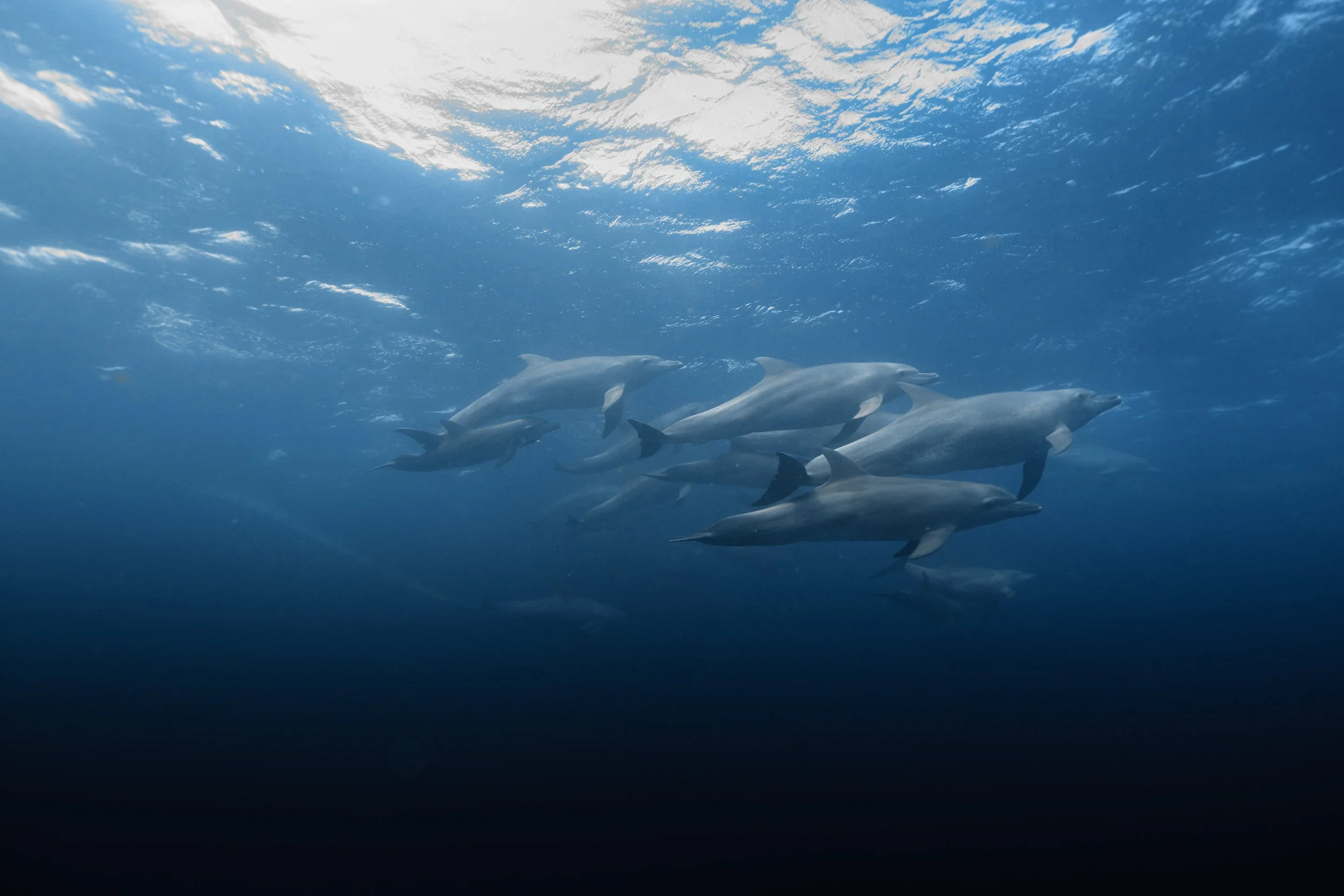
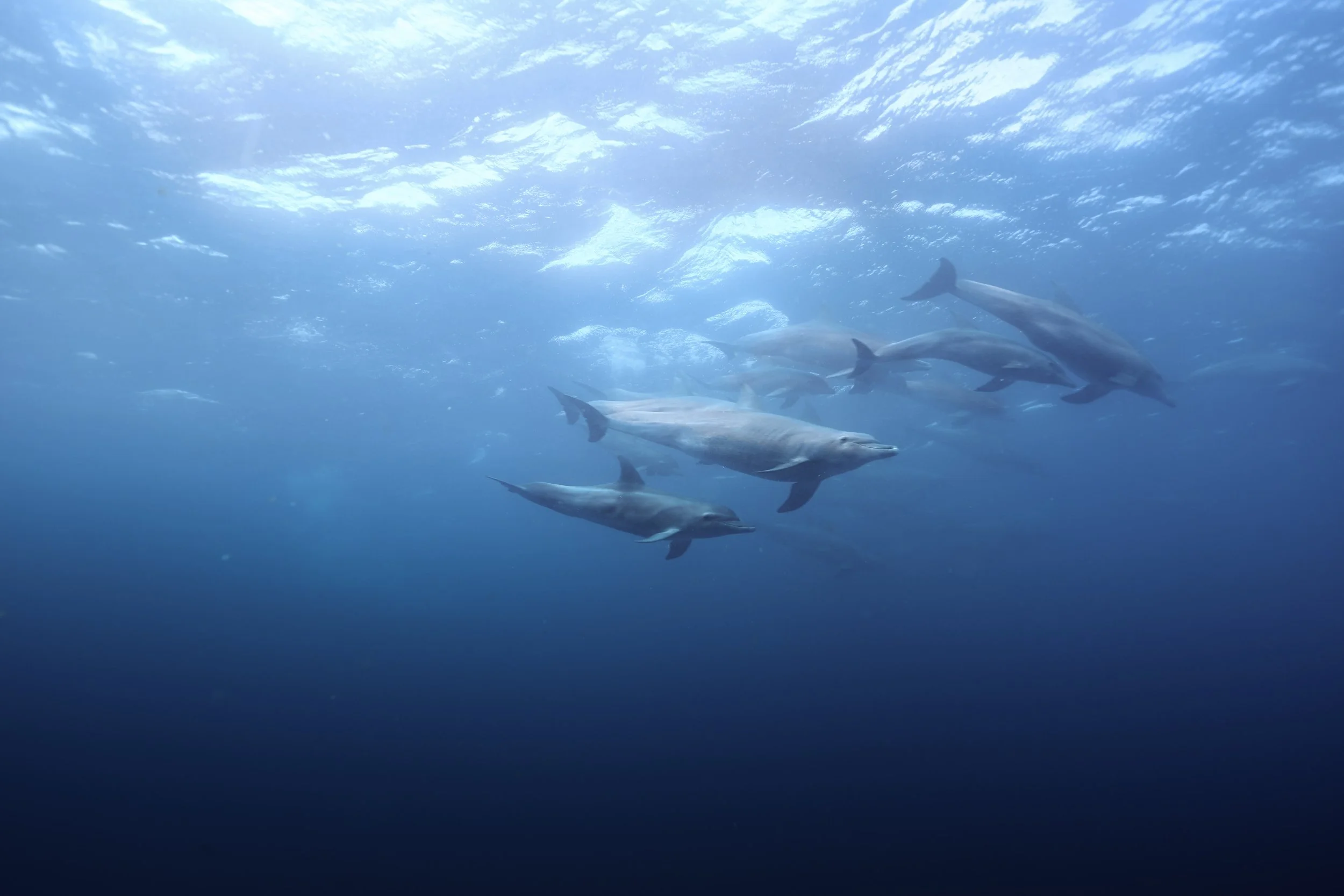
A pod of bottlenose dolphins appeared at Aliwal Shoal, close enough to count them. Along this coast, the Indo-Pacific bottlenose dolphin is the species most often recorded, and the dolphins caught in the bather protection nets off KwaZulu-Natal are mostly Indo-Pacific bottlenose dolphins (1,169 dolphins between 1980 and 2015). They also share the coast with the winter sardine run, which supports common dolphins and Indo-Pacific bottlenose dolphins among its predators. Those I photographed may be one species or the other; I’m calling them bottlenose dolphins until I can confirm.
Dolphins are not the only visitors. Just across the border, off Ponta do Ouro, tourism rises again in July and August, when humpback whales migrate past. A sunfish at the surface, a pod passing a reef, a whale on its way north: the open ocean is full of animals whose route happens to cross ours.
Meeting wildlife well
It is easy to believe that when dolphins approach us, nothing is wrong. A study from southern Mozambique warns against exactly this: there is a misconception that because dolphins often approach and interact with humans there are no negative consequences, yet repeated interactions can divert them from important behaviours such as foraging and resting
The evidence comes from the same species and the same region. Off Zanzibar, tourist boats reduced foraging, resting and socialising and increased travelling. Nursing females showed more erratic movements as tourist activity increased and when swimmers were present, and the authors warned that this could reduce fitness at individual and population levels. At Ponta do Ouro, after swims, dolphins were more likely to travel and less likely to socialise, rest or forage, and the calving season overlaps with peak tourism. I found no study from Aliwal itself, so I won’t claim to know what is happening there.
What does good practice look like? The code of conduct used at Ponta do Ouro asks swimmers to wait for the dolphins to approach rather than swim after them, avoid mother and calf pairs, not touch the animals, and avoid underwater scooters and flash photography, with a maximum swim time of 20 minutes and one dolphin group per trip. The operators themselves tightened these limits after noticing that the quality of swims dropped in peak season. The authors of the study go further and recommend time and area closures, speed restrictions and mandatory training for all staff. It is the same lesson as with the sharks. An encounter is not good because it was close, or crowded, or long. It is good when the animal could have left, and chose to stay.
Diana Rocha et. al., Effects of dolphin-swim activities on the behaviour of an Indo-Pacific bottlenose dolphin population off the south coast of Mozambique; Biological Conservation 279 (2023) 109949, 10.1016/j.biocon.2023.109949
Stensland E, Berggren P (2007) Behavioural changes in female Indo-Pacific bottlenose dolphins in response to boat-based tourism. Mar Ecol Prog Ser 332:225-234 https://doi.org/10.3354/meps332225
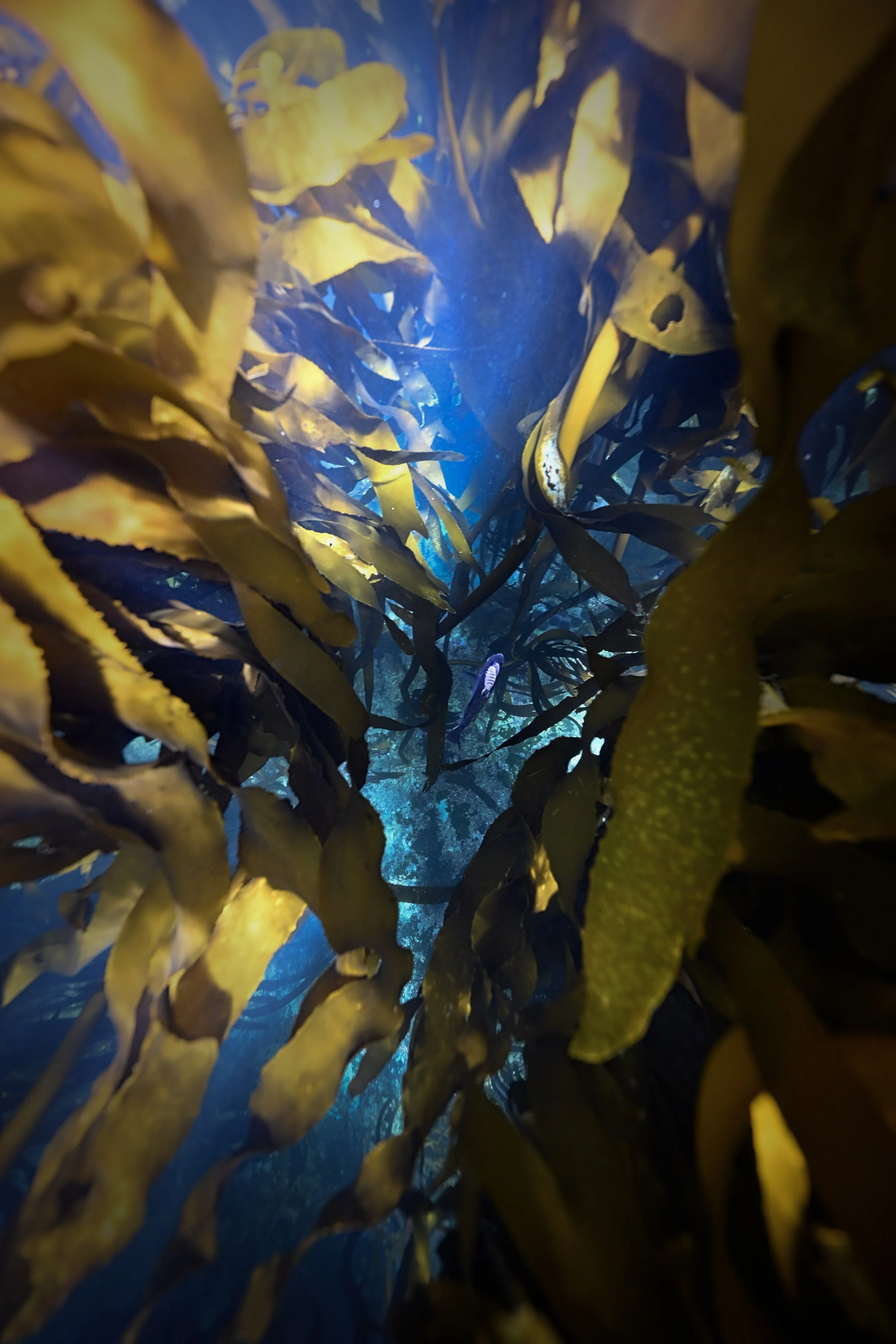
Endemic sharks of South Africa
Not every shark in South Africa is a giant. Some live in a single stretch of coast, and nowhere else on Earth.
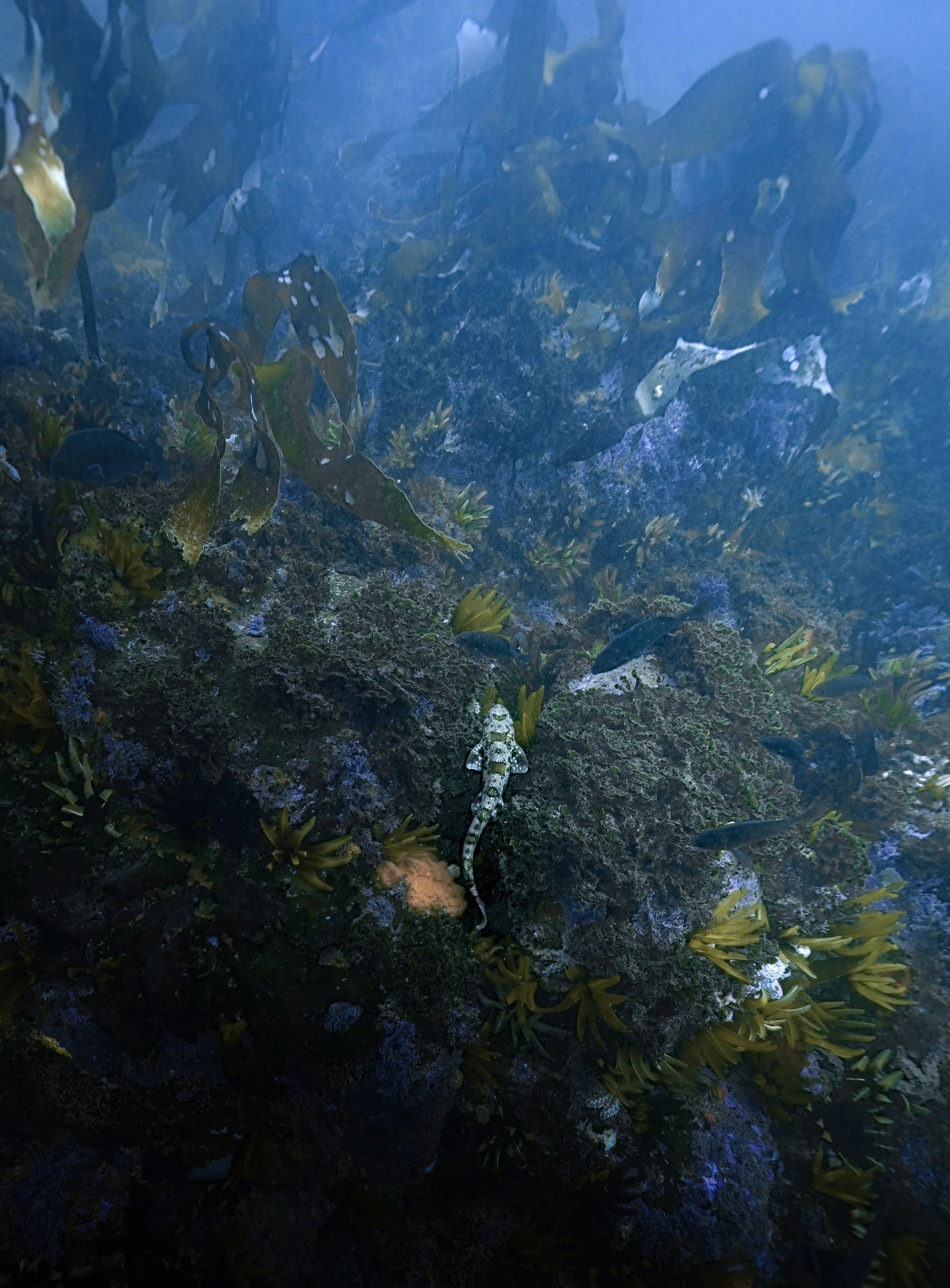
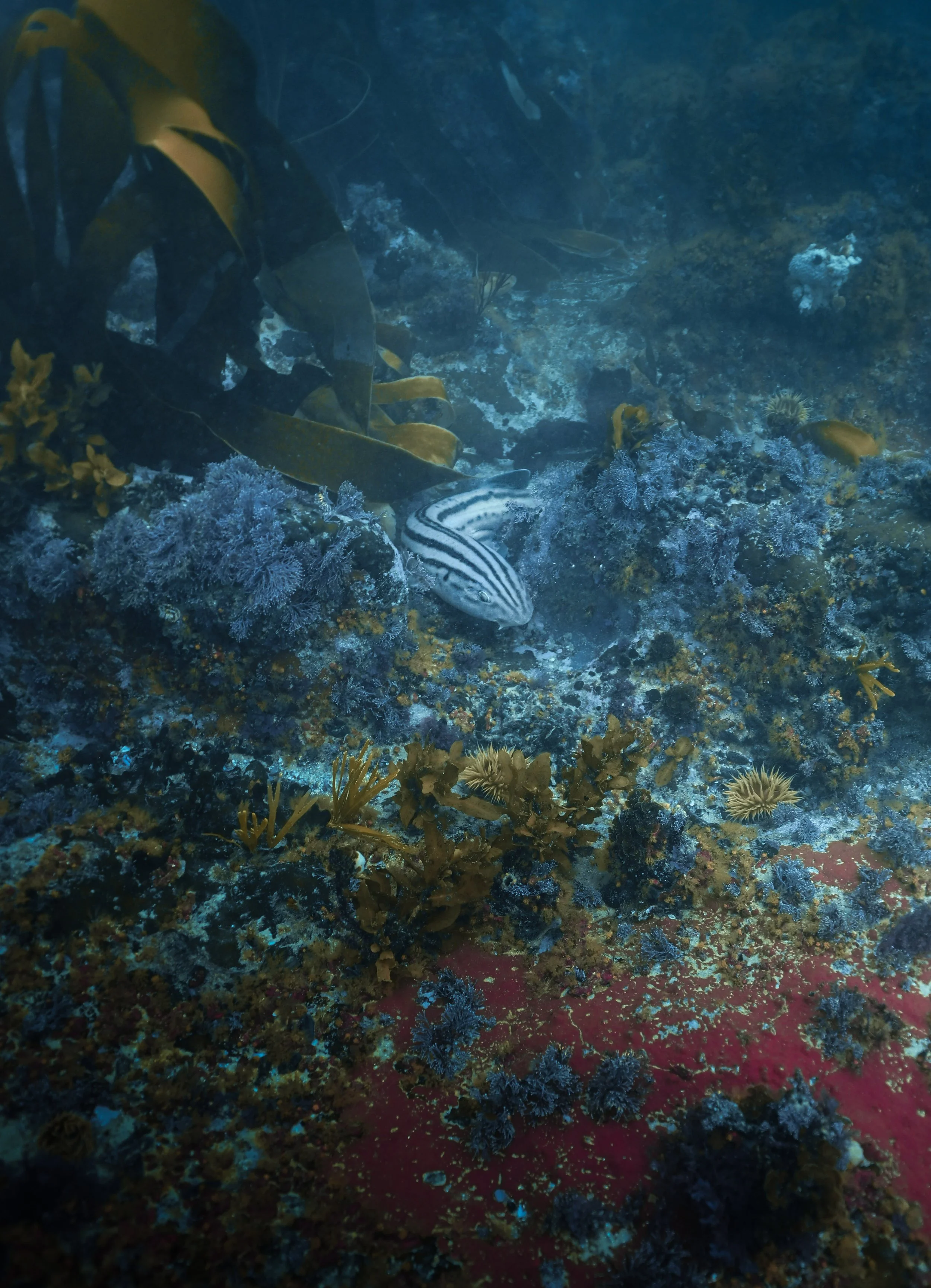
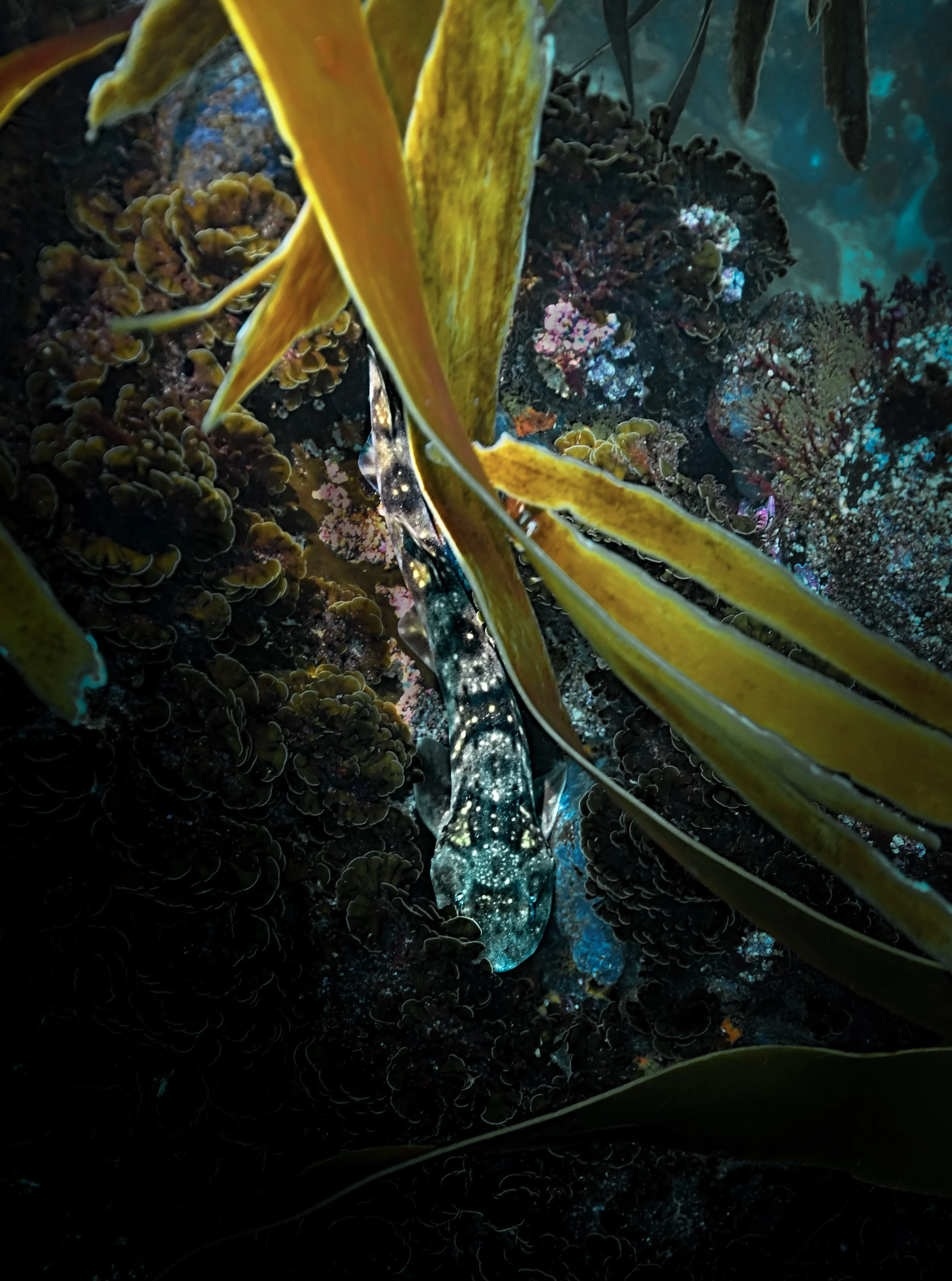
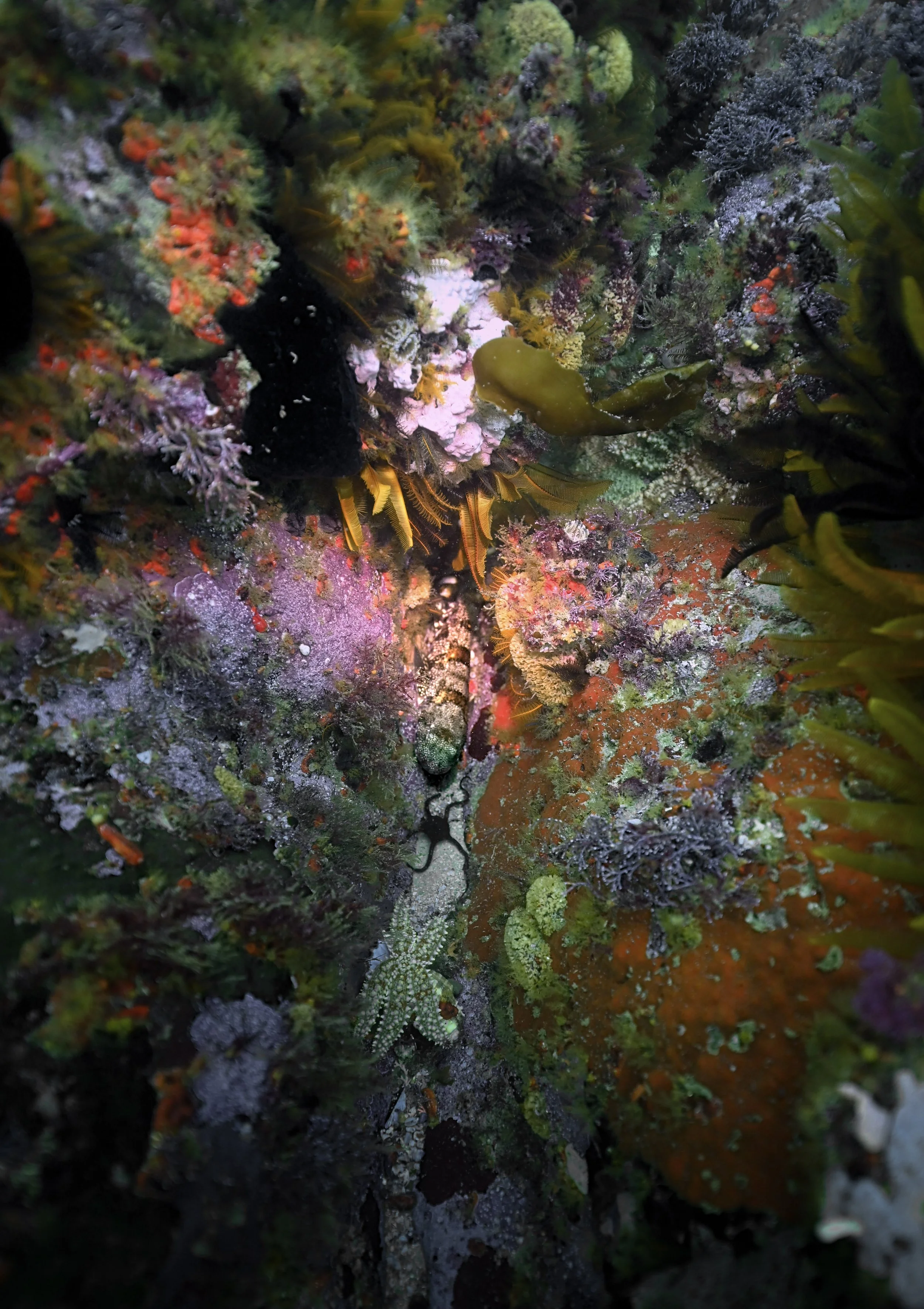
Two of my most faithful subjects were not the big animals people travel for. They were catsharks: the pyjama shark and the puffadder shyshark. I first noticed them from the surface, during an ordinary snorkel. My first close encounter came while freediving. Later, on scuba dives at Fishhook reef, between 15 and 25 metres, the puffadders became almost a habit: on several dives we counted up to ten in a single dive. We came up grinning, a little amazed to have found so many.
Endemic means found nowhere else in the world. The pyjama shark (Poroderma africanum) is endemic to South African waters, in the Eastern and Western Cape, and the puffadder shyshark (Haploblepharus edwardsii) lives only along the South African coast. That is why a single reef near Simon’s Town can host both.
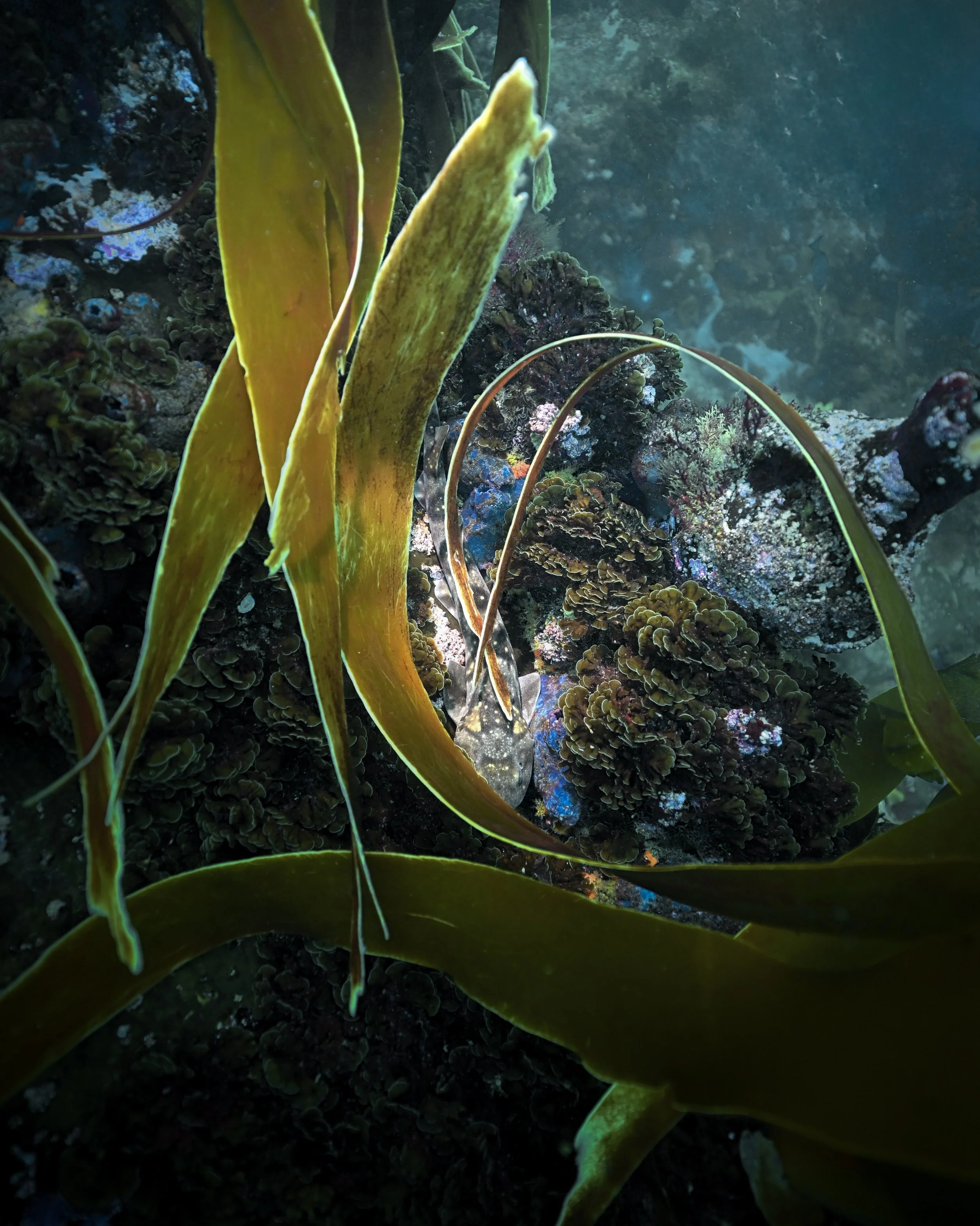
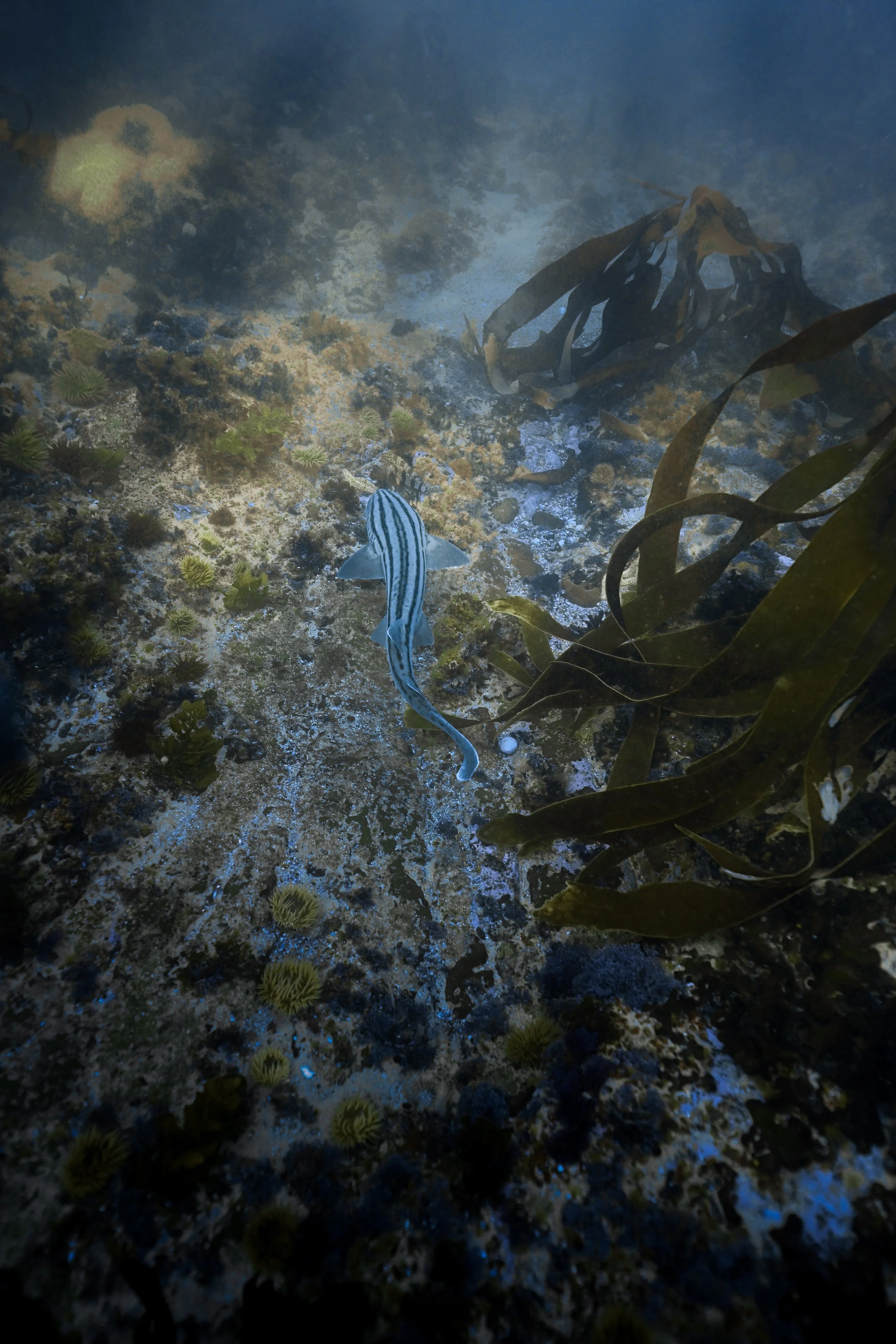
The pyjama shark (right photo, or above with phone view) has these beautiful longitudinal stripes that make it unmistakable, and the shark reaches about 95 cm, hatching at around 14–15 cm. It usually becomes active at night. The pyjama sharks are resident, with strong site fidelity and limited dispersal, which is why the same reef can offer the same shark again.
The puffadder shyshark (left photo, or below with phone view): its common name comes from a defensive posture: when threatened, it curls into a ring and covers its eyes with its tail, which likely makes the shark harder for a predator to swallow. It reaches about 60 cm. Divers call it “Happy Eddie,” a play on its Latin name. They gave me the feeling that they are fragile crea and we should be careful with them, especially with their eggs. They can lay their eggs attached to seaweeds and kelp on rocky reefs, so this is one more reason to be thoughtful when we swim around the area.
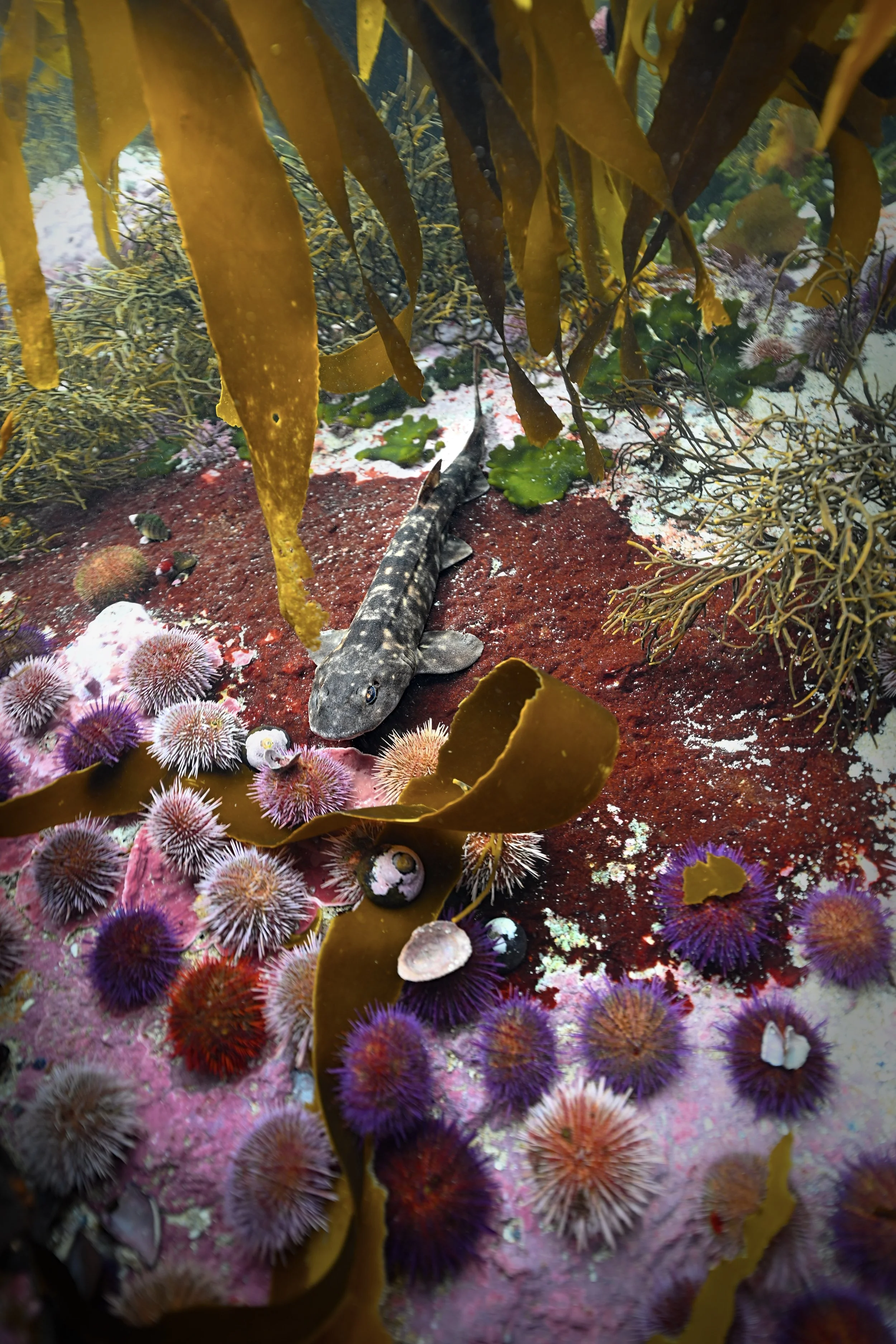
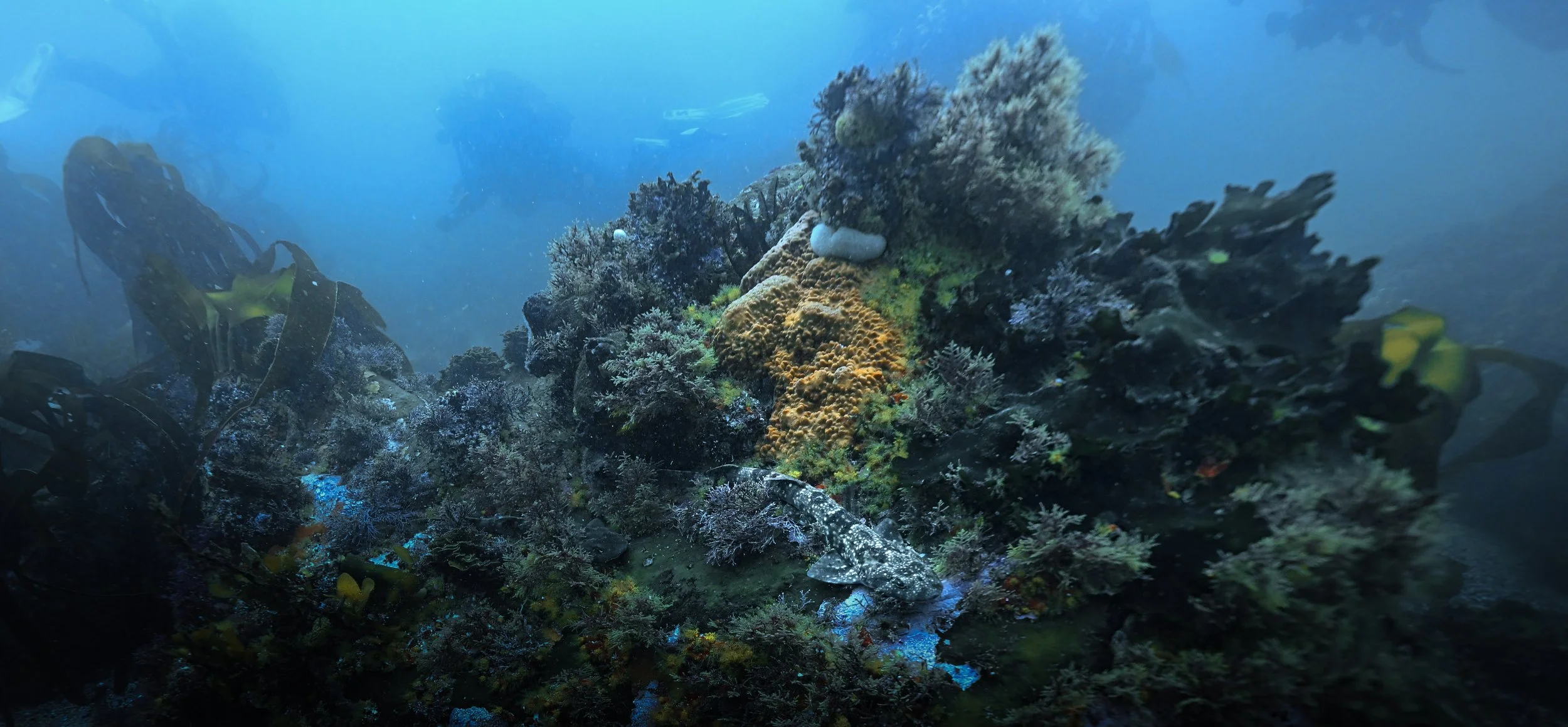
Why the puffadder shyshark needs protecting
It is Endangered. The IUCN assessed it as Near Threatened in 2013, narrowly missing the criteria for Vulnerable, but the current listing is Endangered.
Its home is small, and heavily fished. Its range is limited to the continental shelf from Langebaan Lagoon to the western shore of Algoa Bay, and records as far north as Durban are now thought to be misidentifications. That whole range lies within a heavily fished region.
Almost nobody wants it. It is taken incidentally and discarded by bottom trawlers between Mossel Bay and East London, and by fishing boats in False Bay. Shore anglers hook many, and generally discard or kill them as minor pests. Recreational and rock lobster fishers regard it as a bait thief and persecute it.
It is slow to recover. The shark matures at around seven years and lives at least 22 years, laying eggs one or two at a time. A summary of the assessment reports a population reduction of 50–79% over 60 years.
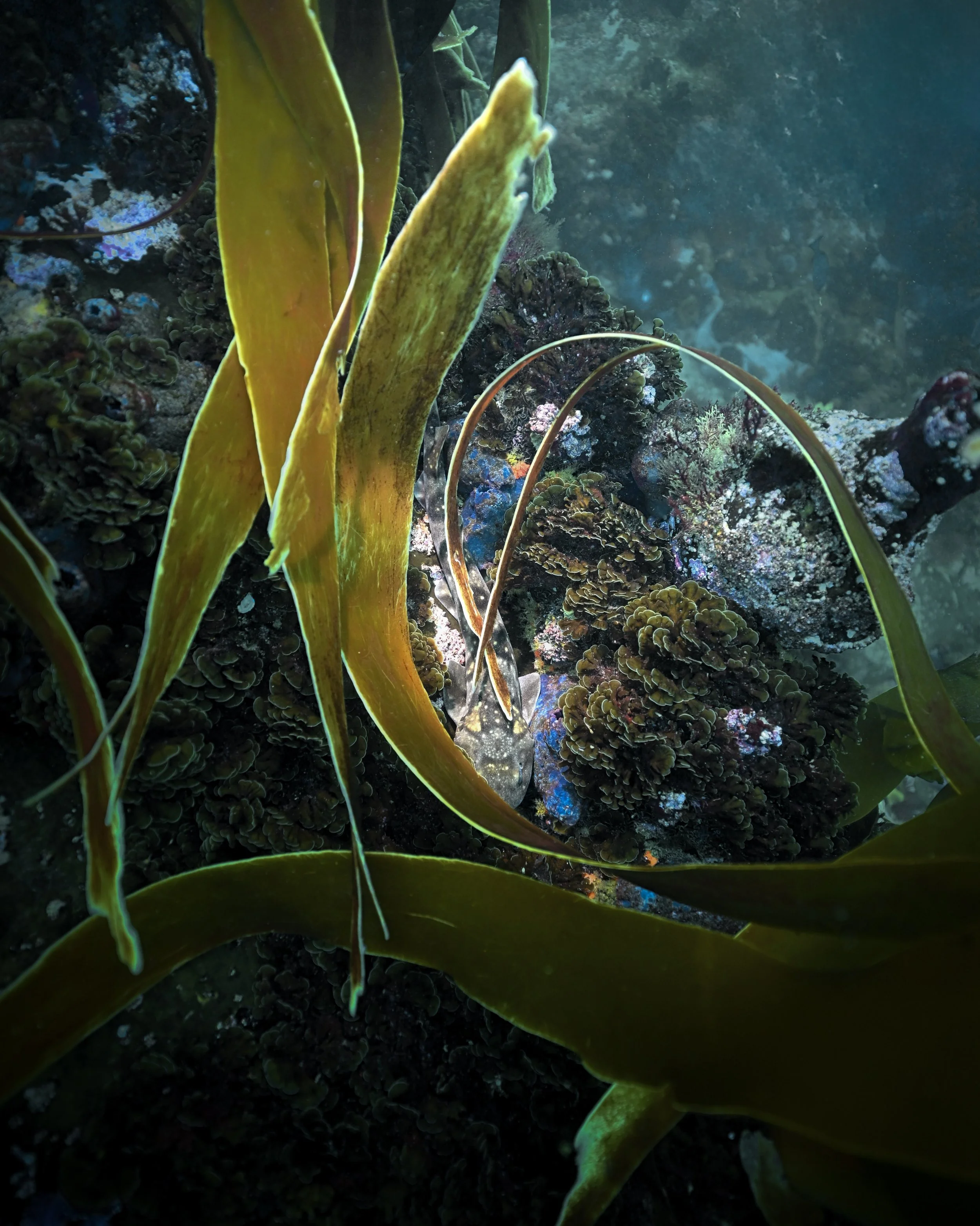
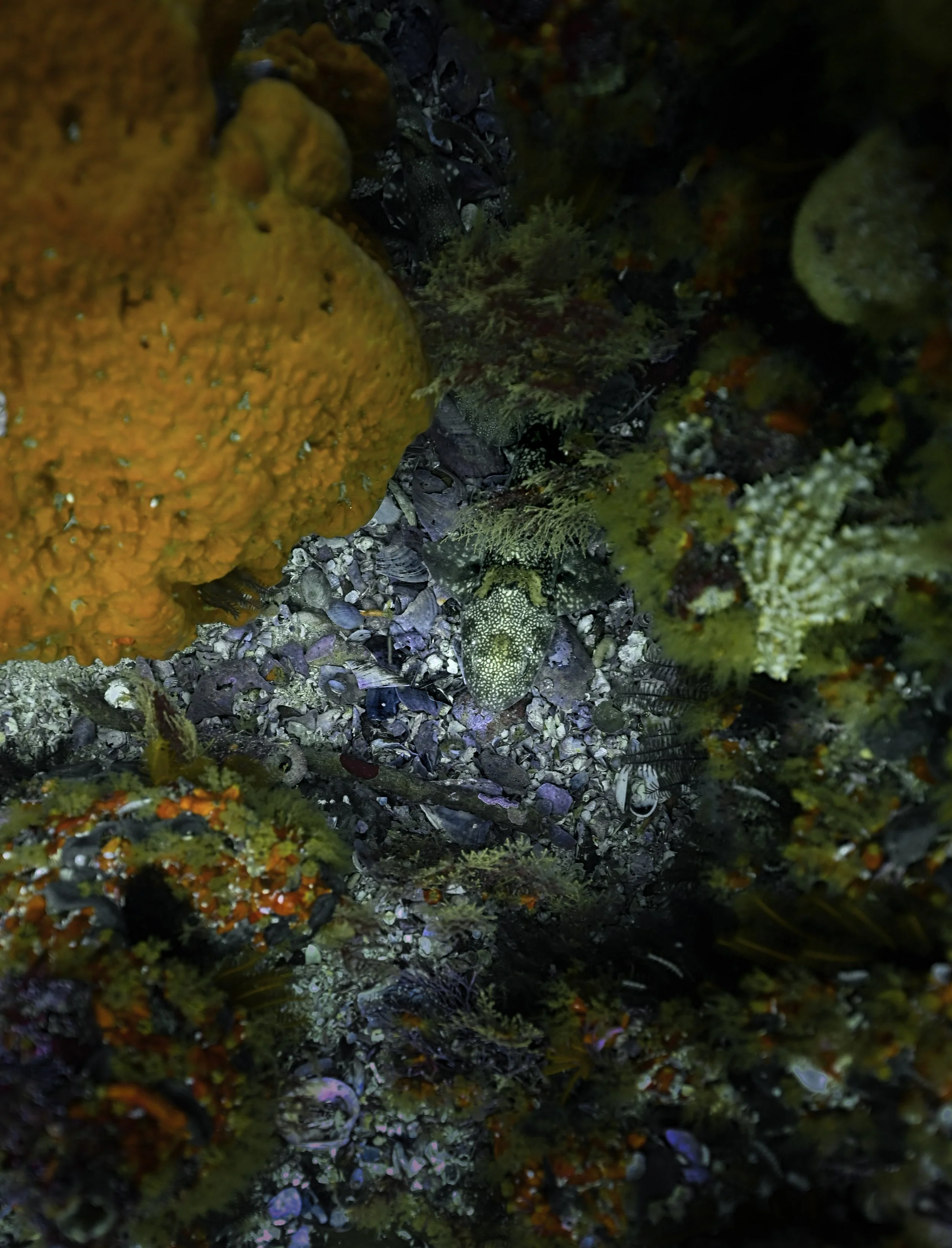
Even nature takes its share. Cape fur seals at Seal Island in False Bay have been documented capturing and playing with puffadder shysharks, which are often injured or killed. That is natural mortality, but a small population has less room for it. Seeing many is not a sign of safety. The puffadder is gregarious, and several individuals may rest together. Counting ten on a single dive fits that behaviour, and the species is quite common within its small range. It is exactly the situation the IUCN warns about: abundant locally, vulnerable globally.
The pyjama shark: protected, but not endangered
The pyjama shark is a different story. It is listed as Least Concern (assessed in 2019), and there is no data suggesting its numbers have declined. It is still often caught as bycatch in commercial and recreational fisheries. In South Africa it is one of the few sharks listed as Protected, a no-sale species, and recreational fishers need a permit and may take one per person per day. Endemic does not automatically mean endangered: what makes the puffadder vulnerable is the combination of a small range, a slow life and heavy pressure.
Some useful information about this topic:
A taxonomic revision of the catshark genus Haploblepharus Garman 1913 (Chondrichthyes: Carcharhiniformes: Scyliorhinidae), April 2007Zootaxa 1451(1):1, DOI:10.11646/zootaxa.1451.1.1
JournalofFishBiology(2004)64,711–716, doi:10.1046/j.1095-8649.2003.00339.x,availableonlineathttp://www.blackwell-synergy.com
https://www.sharksandrays.com/puffadder-shyshark/
https://saveourseas.com/worldofsharks/species/puffadder-shyshark
African Penguins
On a granite beach near Simon’s Town, a polar-looking bird lives in a place with surf, sun and suburbs
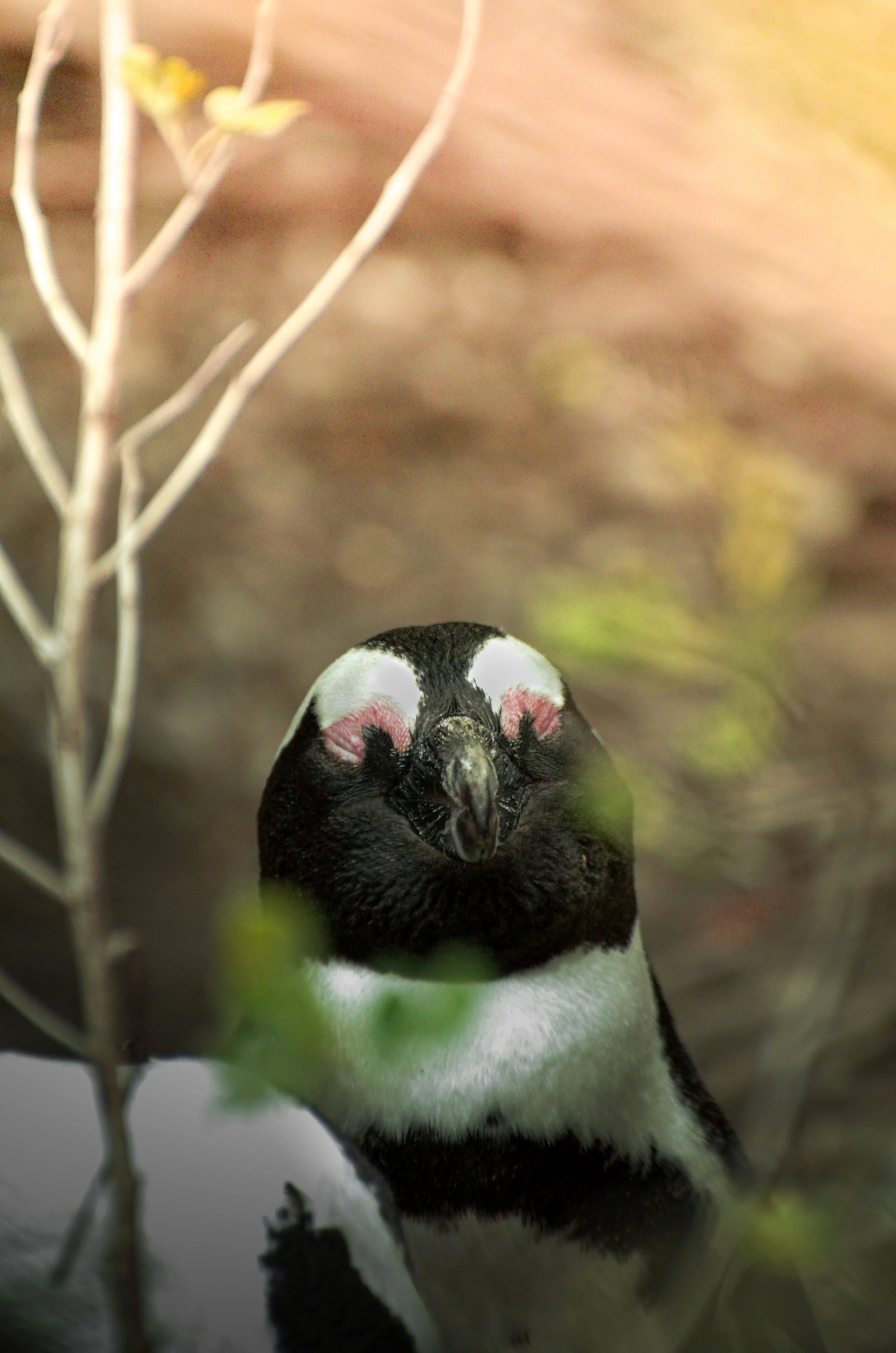
What sets it apart
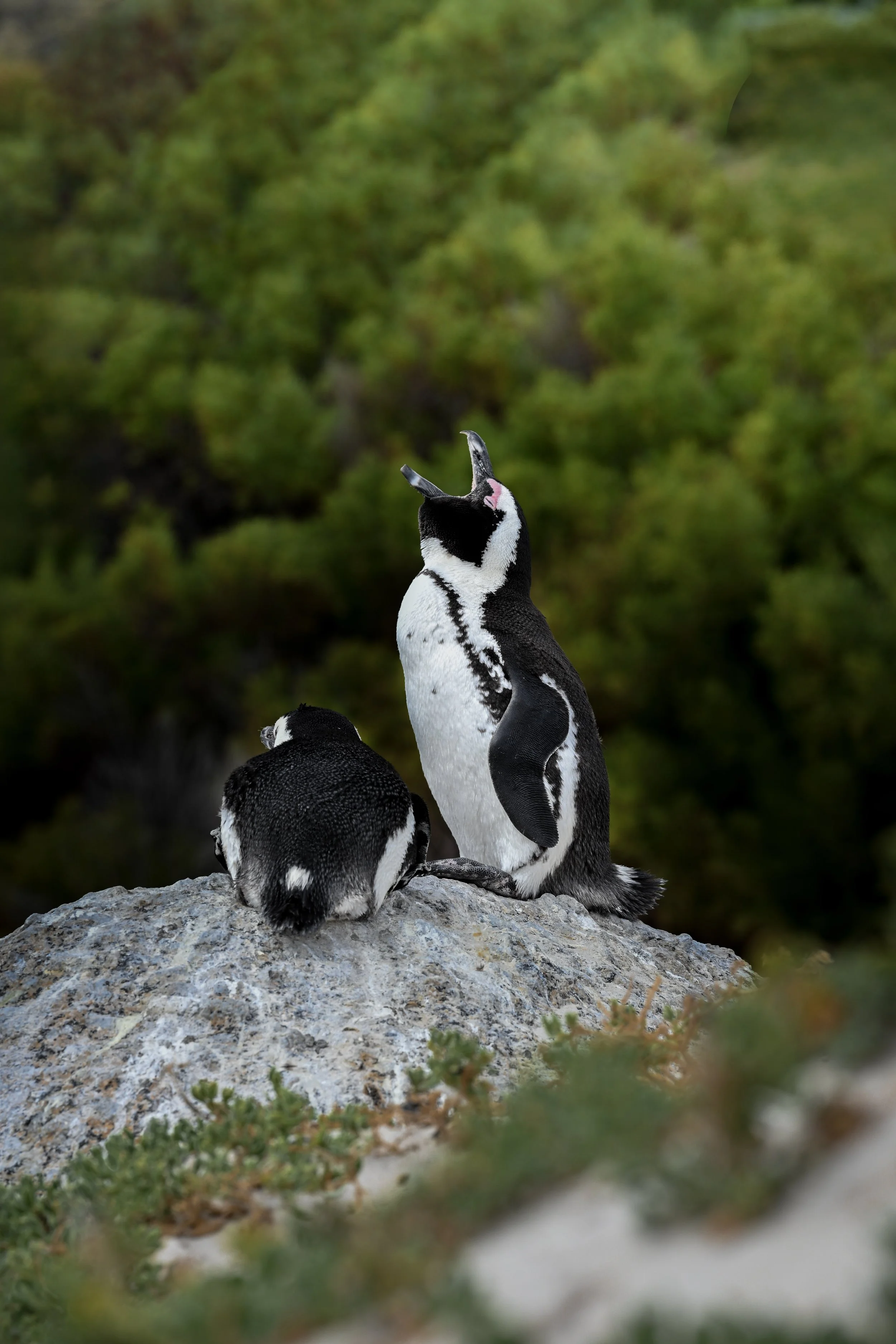
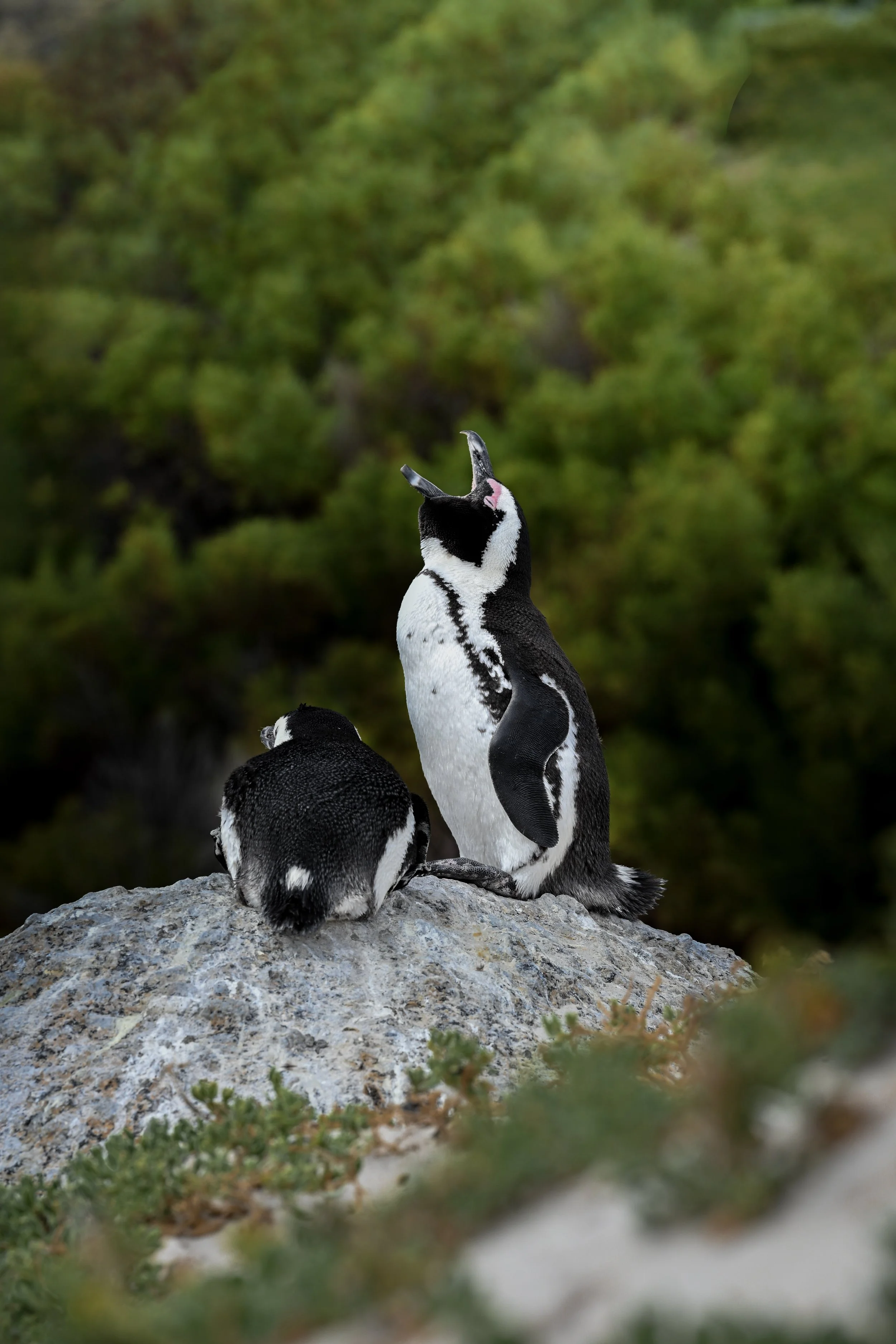
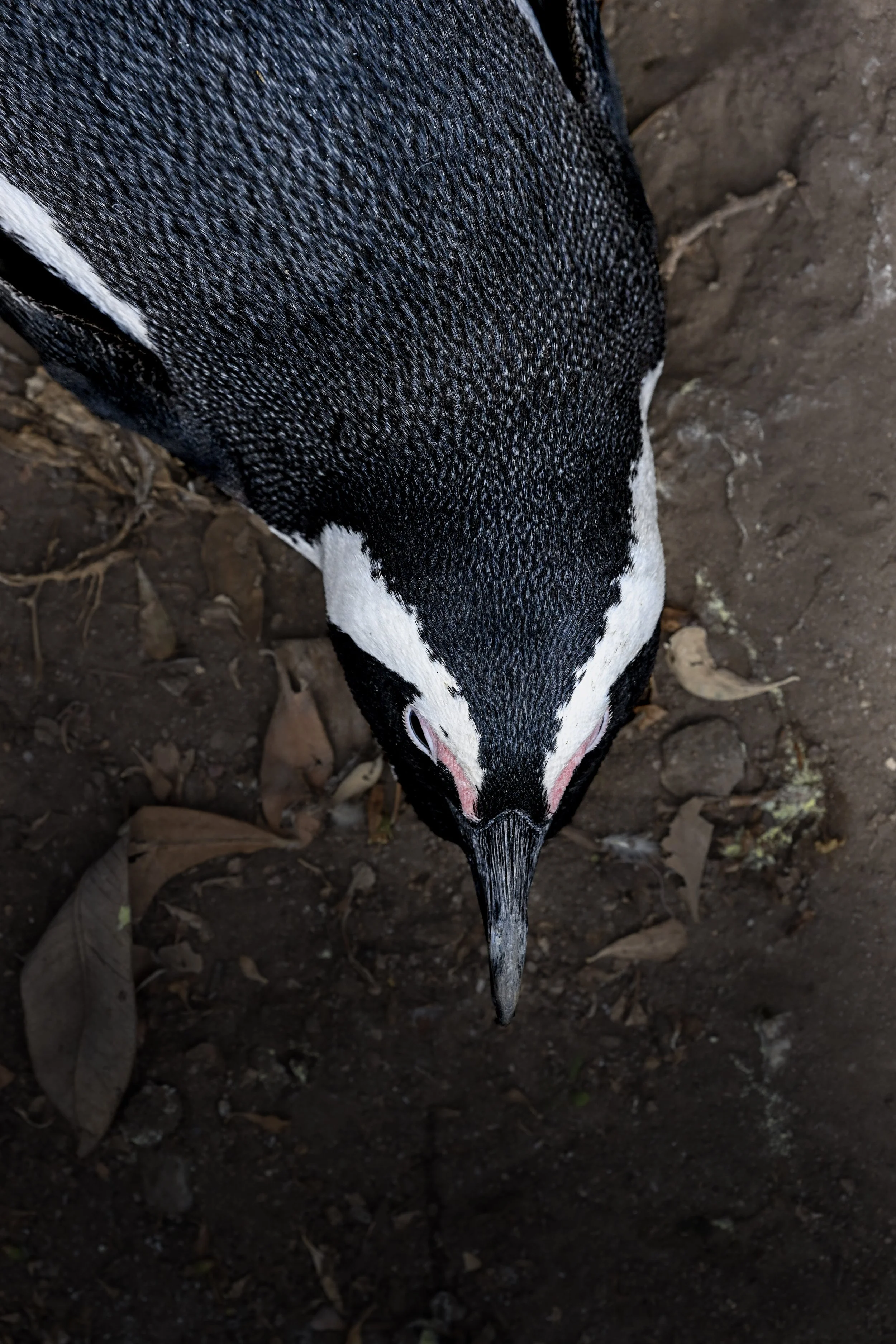
The African penguin is the only penguin found in the Old World, and the only one of the world’s penguins that breeds in Africa. It lives in the warm, and its body shows it: the pink patches of skin above the eyes cool the blood, and become pinker as the temperature rises. It also uses bare patches on the feet, panting and held-out wings to lose heat. Each bird carries a pattern of black chest spots unique to the individual, used for identification.
Do they leave South Africa?
Yes, mostly as juveniles. In the first satellite tracking of fledglings, five birds dispersed north-westwards, reaching a mean distance of more than 1,000 km from their release sites, with a key foraging area around Swakopmund, Namibia. Breeding adults are tied to their colony, with little flexibility to shift foraging ranges beyond about 20–30 km. Beyond the normal range, vagrants, mostly juveniles, are occasionally sighted.
But leaving does not mean leaving the Benguela. Tracking from eight sites showed that young penguins are caught in an ecological trap: they travel long distances searching for signs of plankton-rich areas, but fishing and climate change have left them foraging in the wrong places.
A species in trouble
In October 2024 it became the first of the world’s 18 penguin species listed as Critically Endangered. Population have plummet from millions in the 1930s to less than 10,000 in 2020s. On 18 March 2025 a South African court ordered 10-year no-fishing zones around six vital breeding colonies. At Boulders, a June 2026 census counted 790 breeding pairs, up from 698 the year before. Present threats are food scarcity, severe environmental conditions and climate change, lack of sustainable nest material, pollution (including noise), disease and predation.
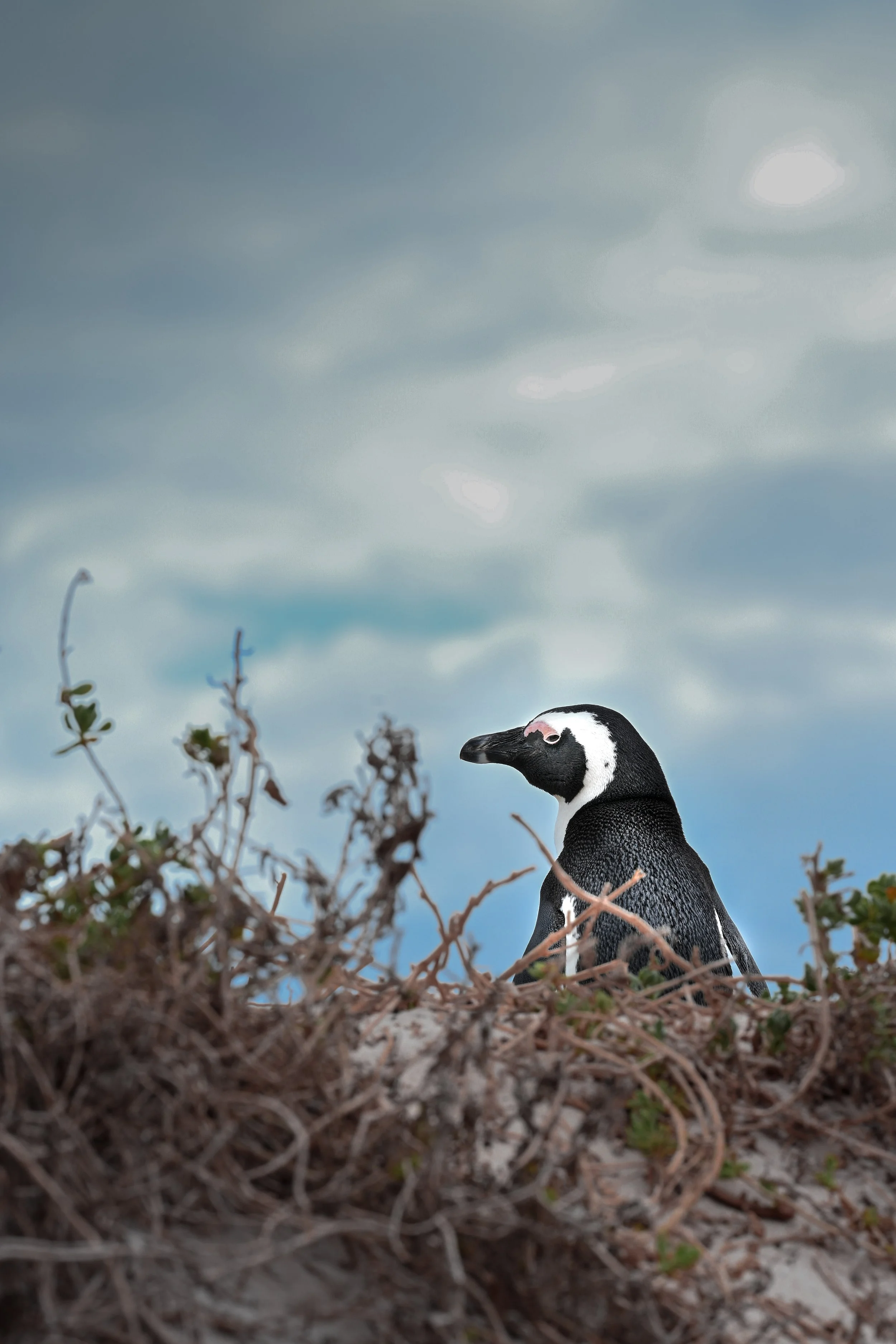
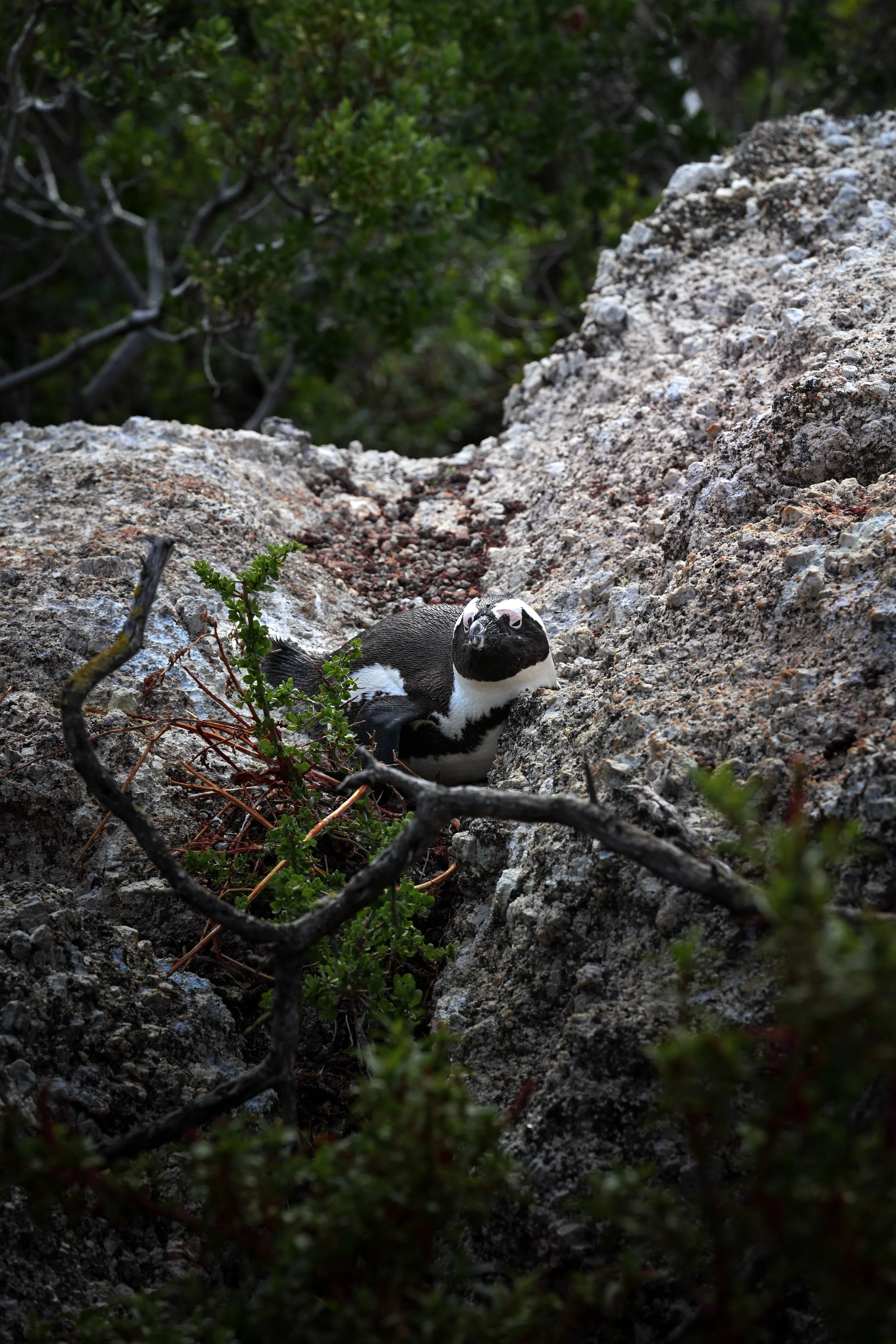
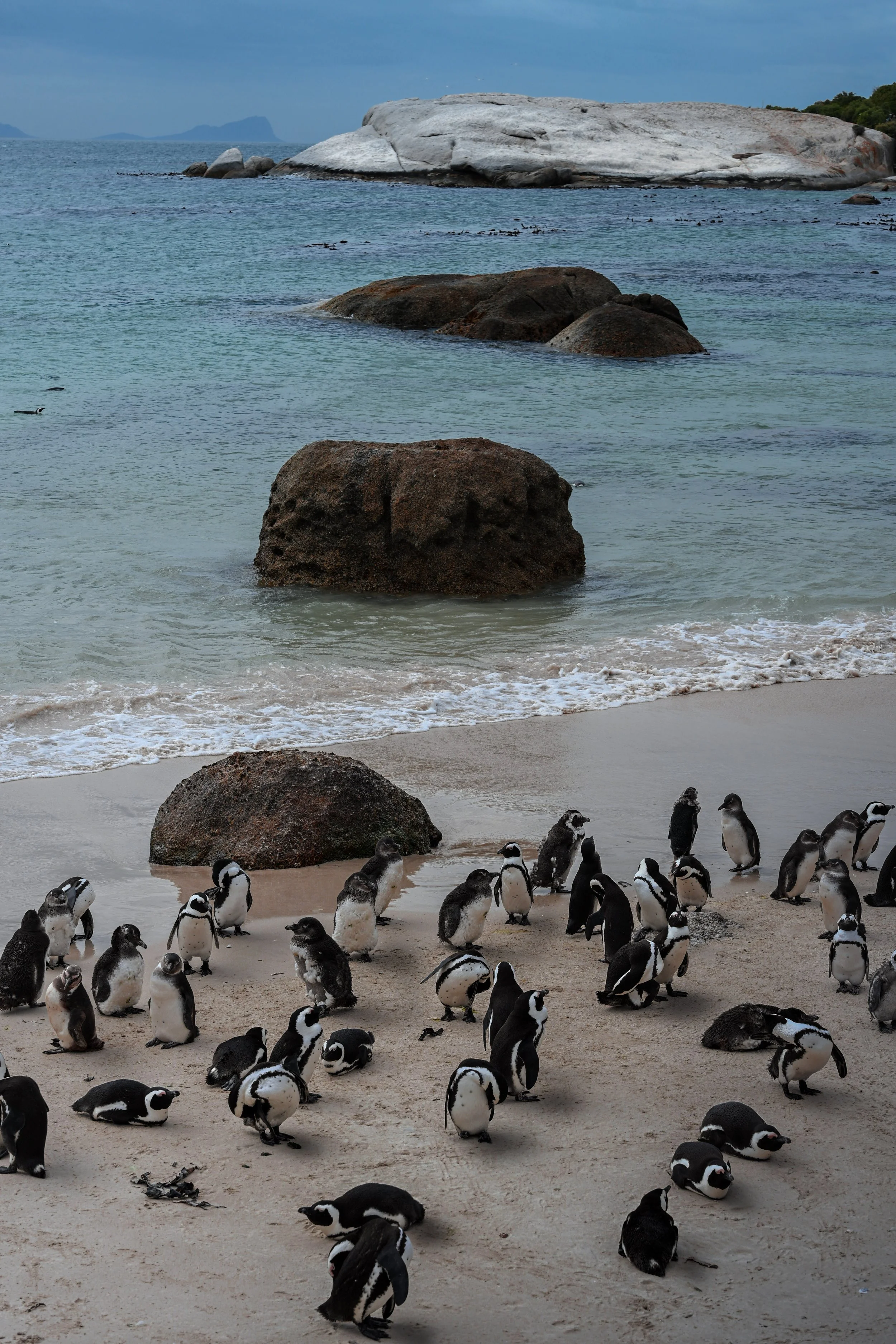
Effort to save the African Pen
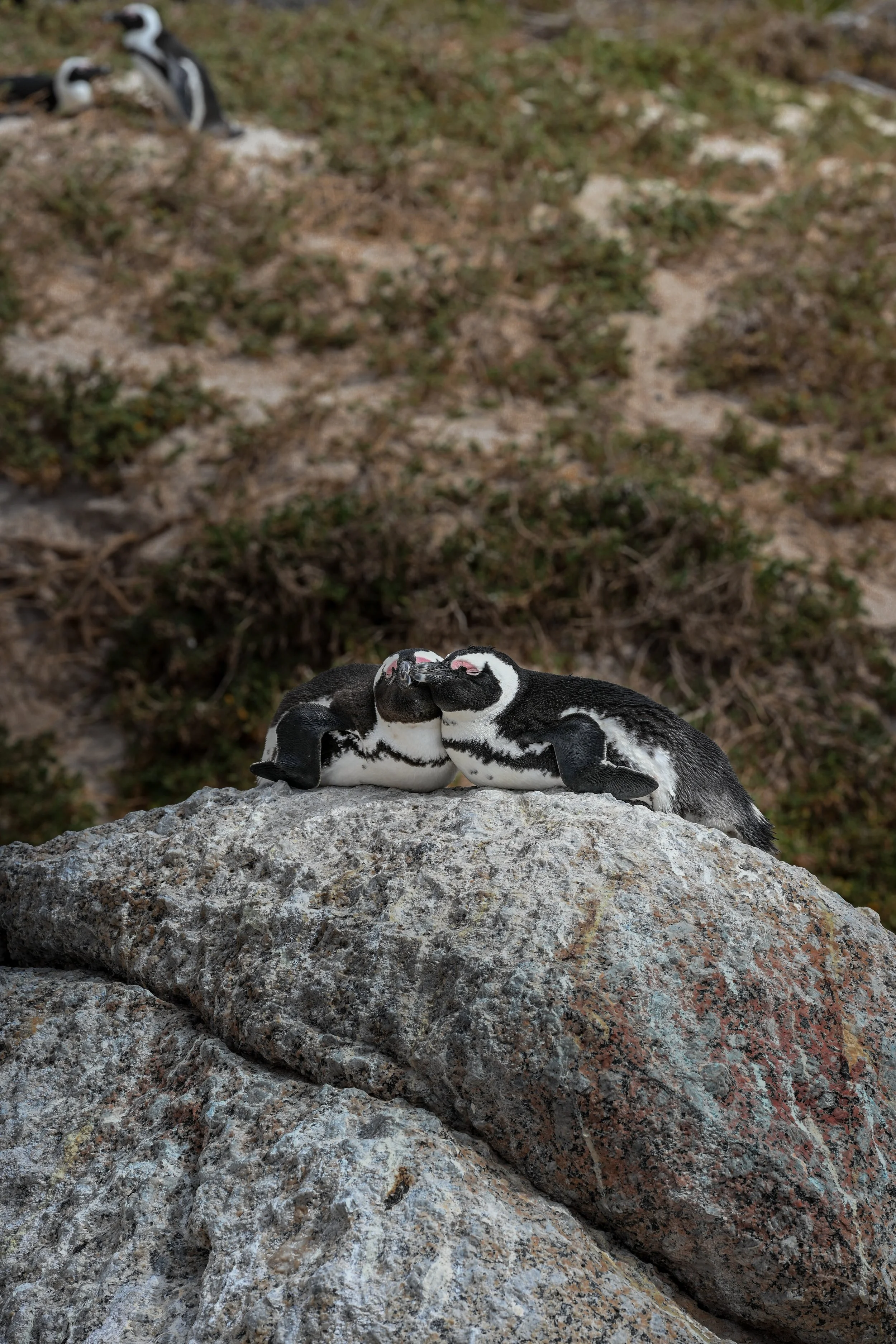
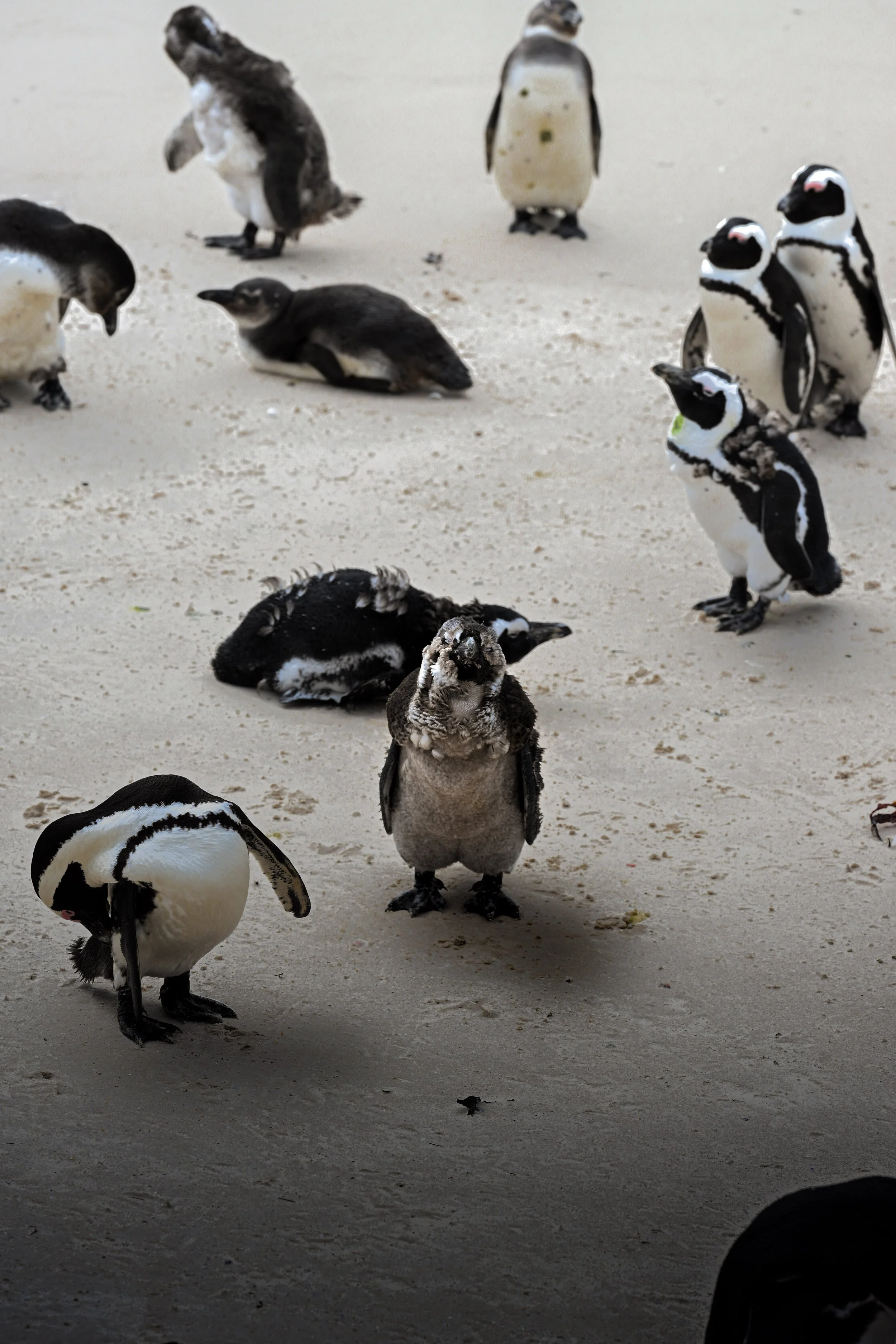
Before human interference, African Penguins only formed colonies on islands. Land-based colonies like Boulders Beach (where these shots were taken) and Stoney Point are modern arrivals. The boulders land colony is protected and predators are managed but human activities have brought them into contact with predators like caracals, mongooses and dogs. These areas have no commercial fishing zone so the stock of food is protected. Artificial nest boxed are placed all over the place and it’s nice to see that this improves the breeding success. I saw so many couples on these artificial nests.
What can you do?
Be mindful of your impact on the environment including reducing pollution and disposing plastic in the right place. You can also reduce the pressure on important food sources for penguins by choosing the right thing to purchase (specifically avoiding overfished local sardines and anchovies because commercial fishing directly competes with penguins for their main food source). Other than that, supporting the local ecotourism, volunteer at or donate to a rehabilitation centre help. Finally, we should report dead, sick, oiled and stranded birds.