Mood
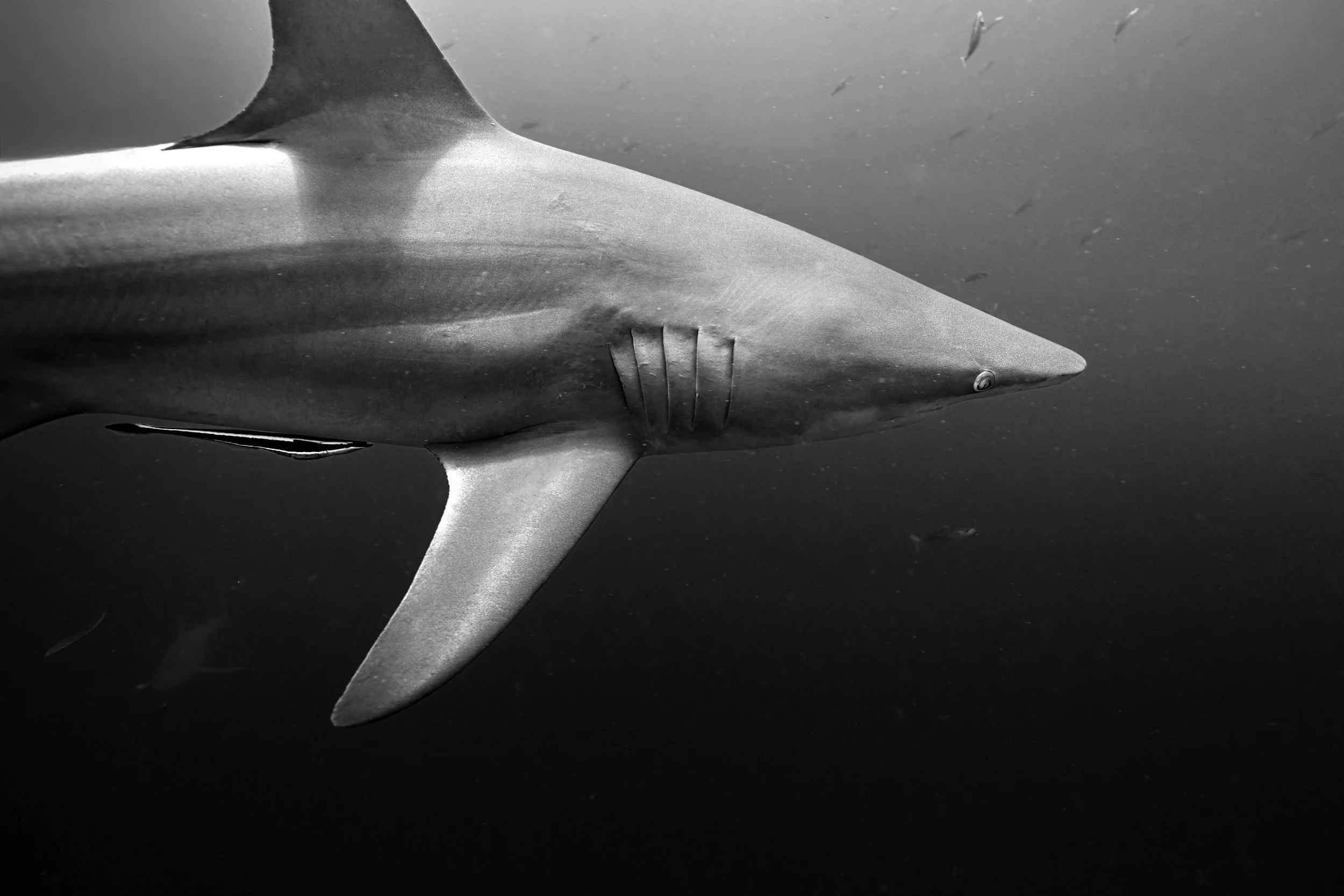
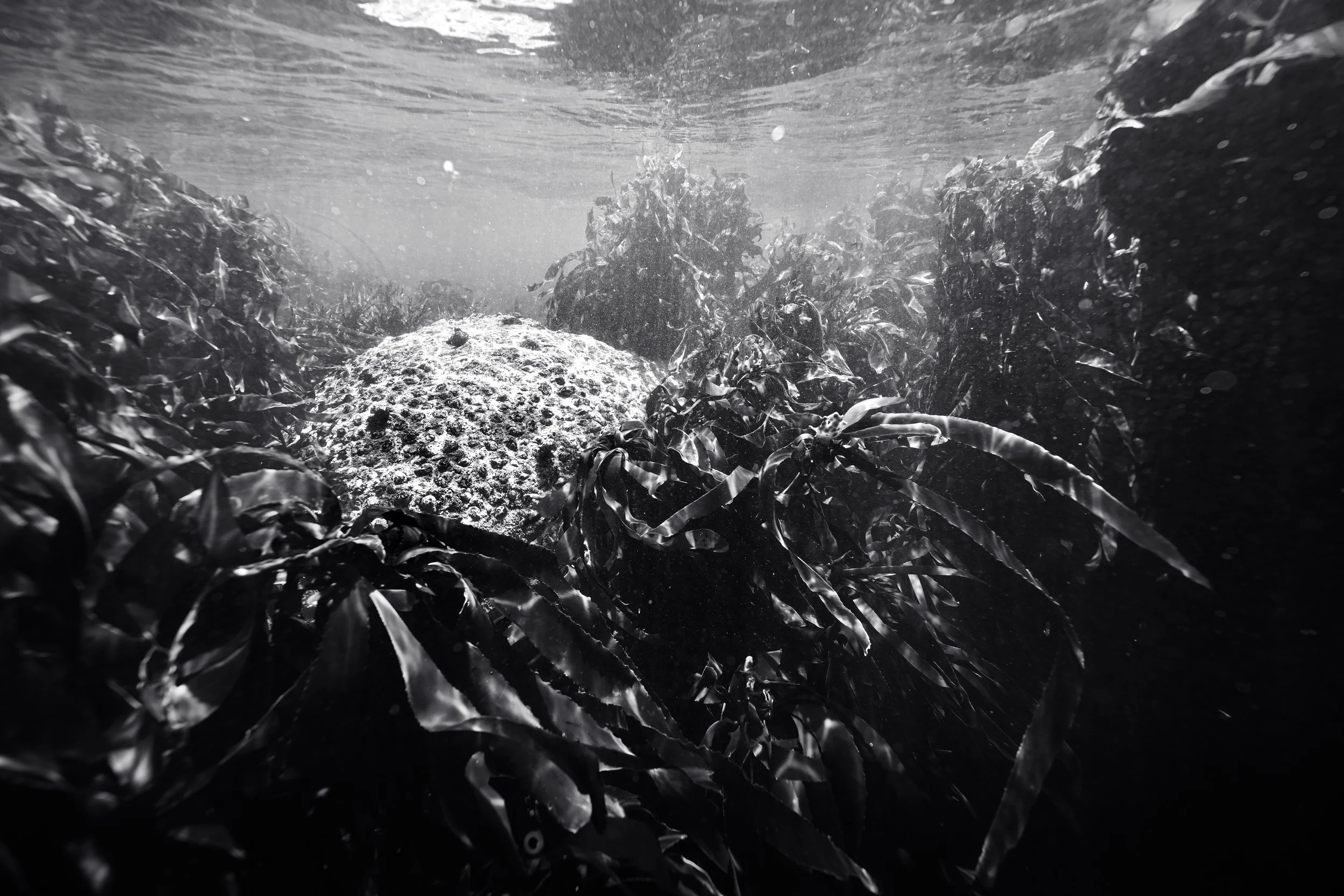
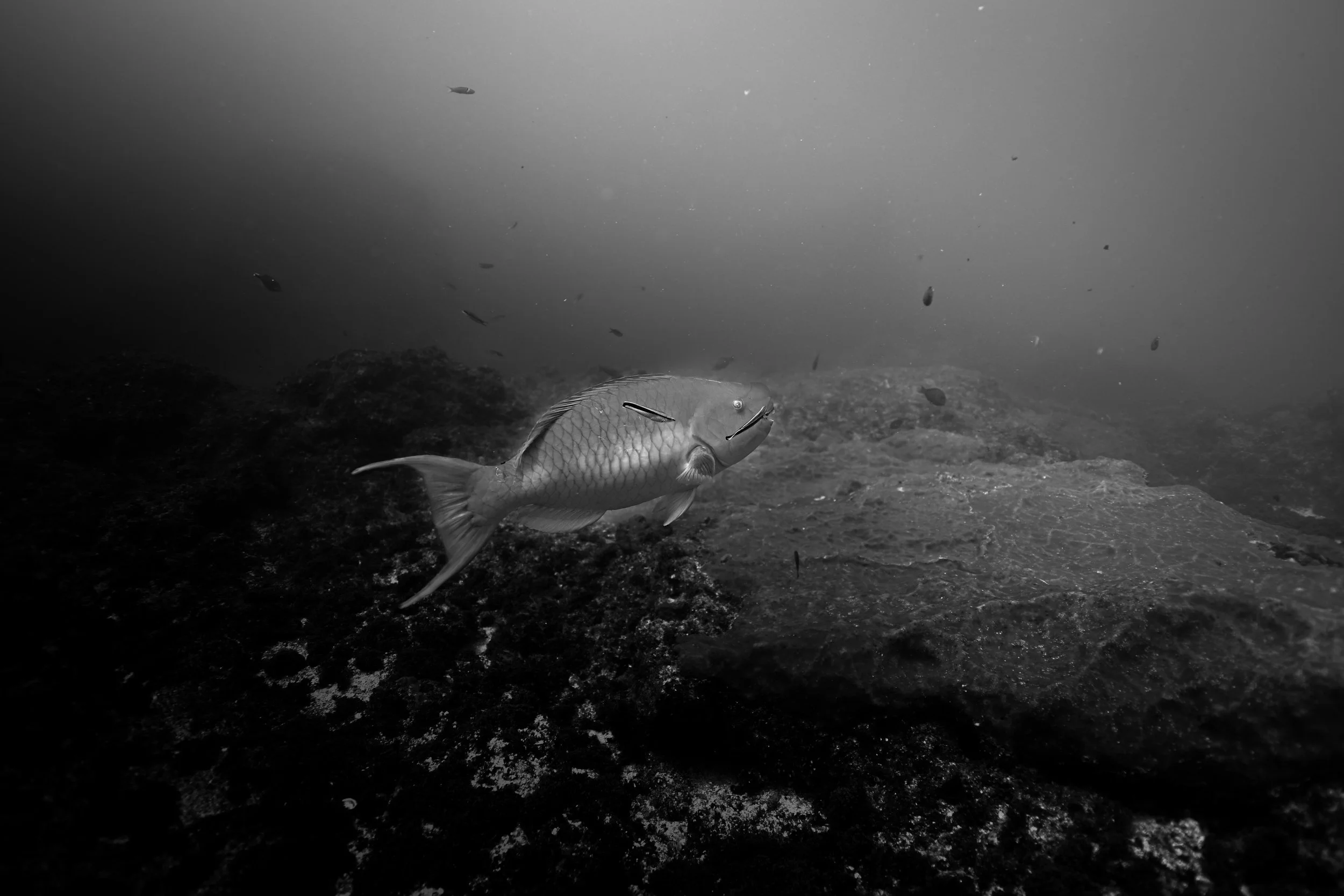
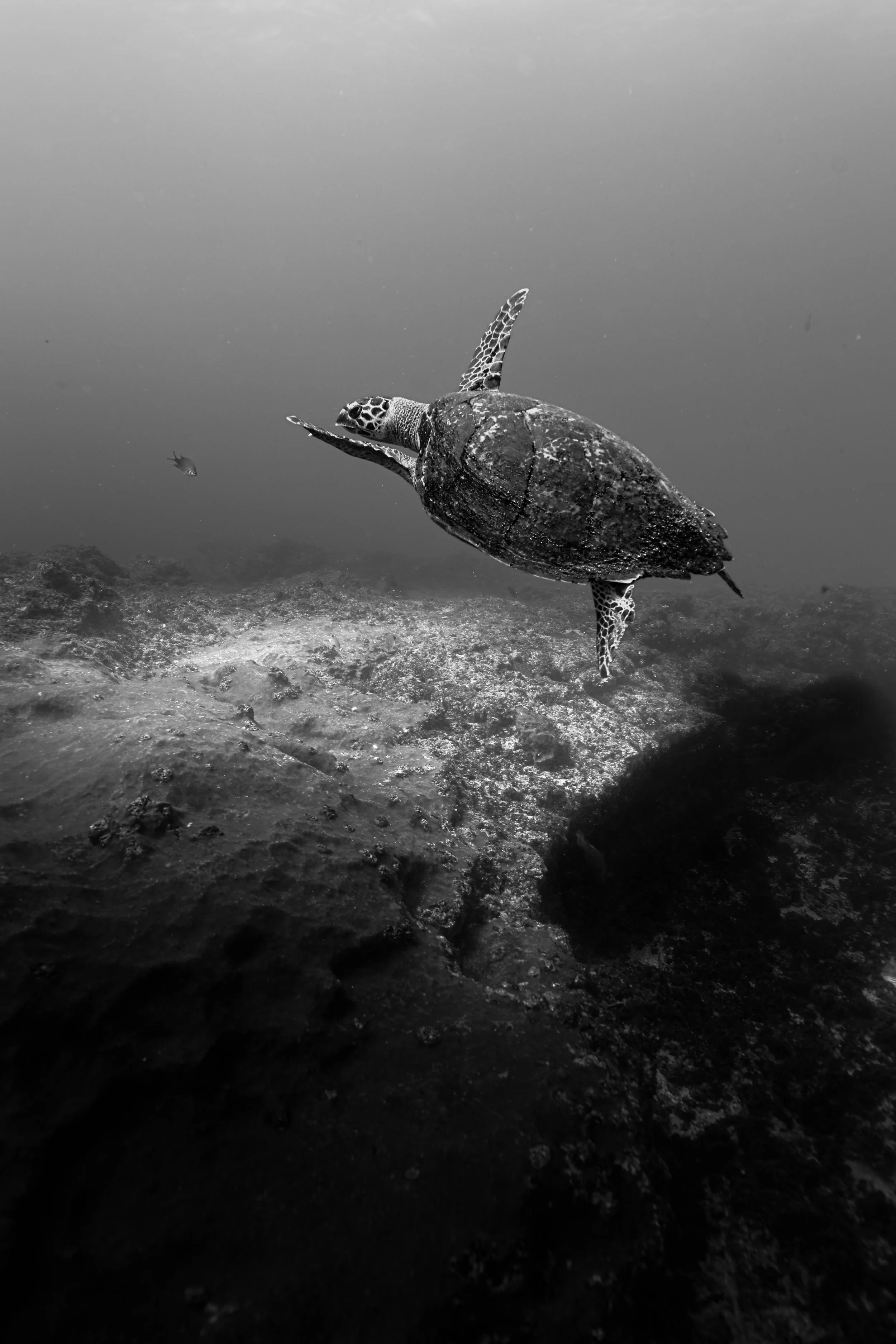
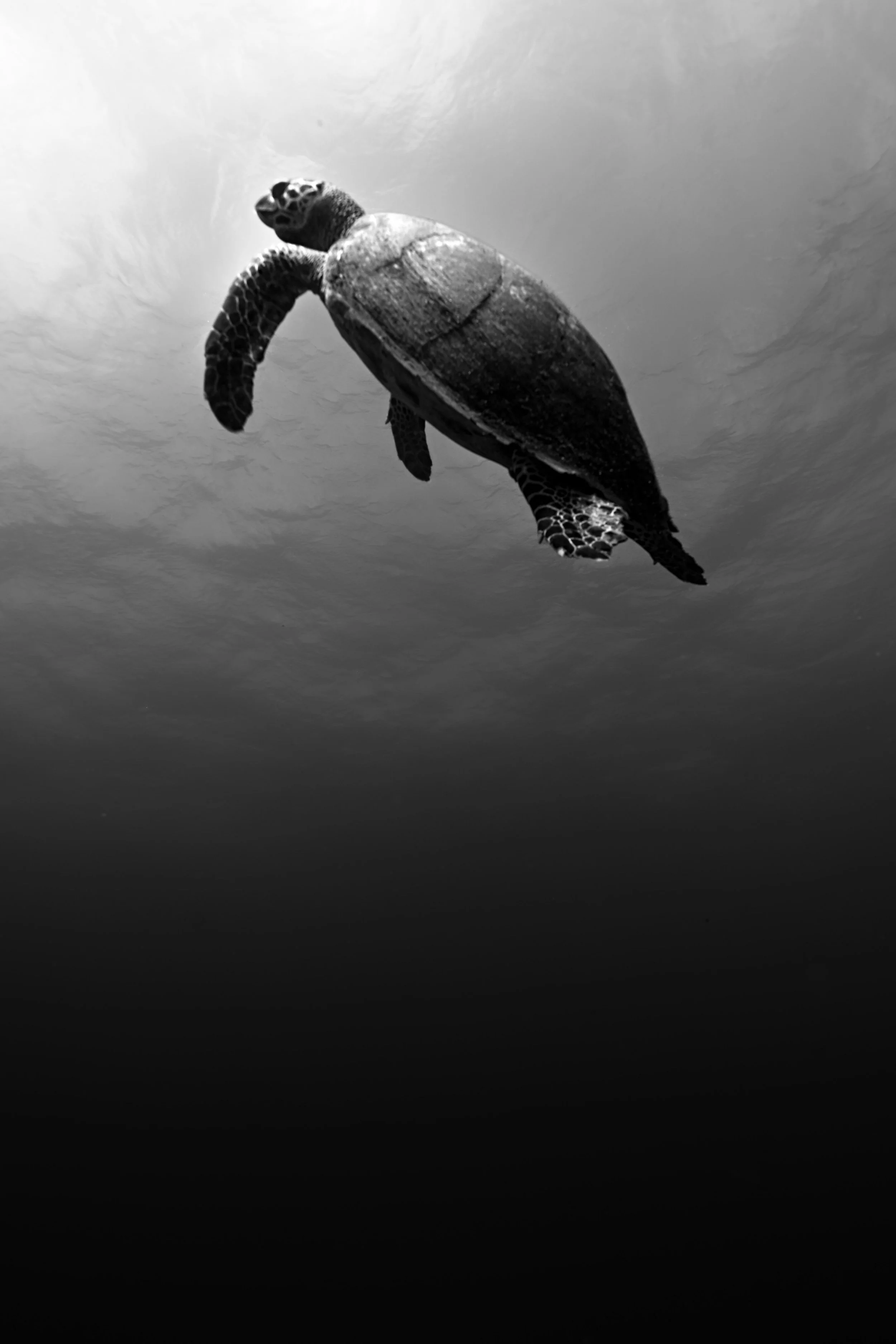
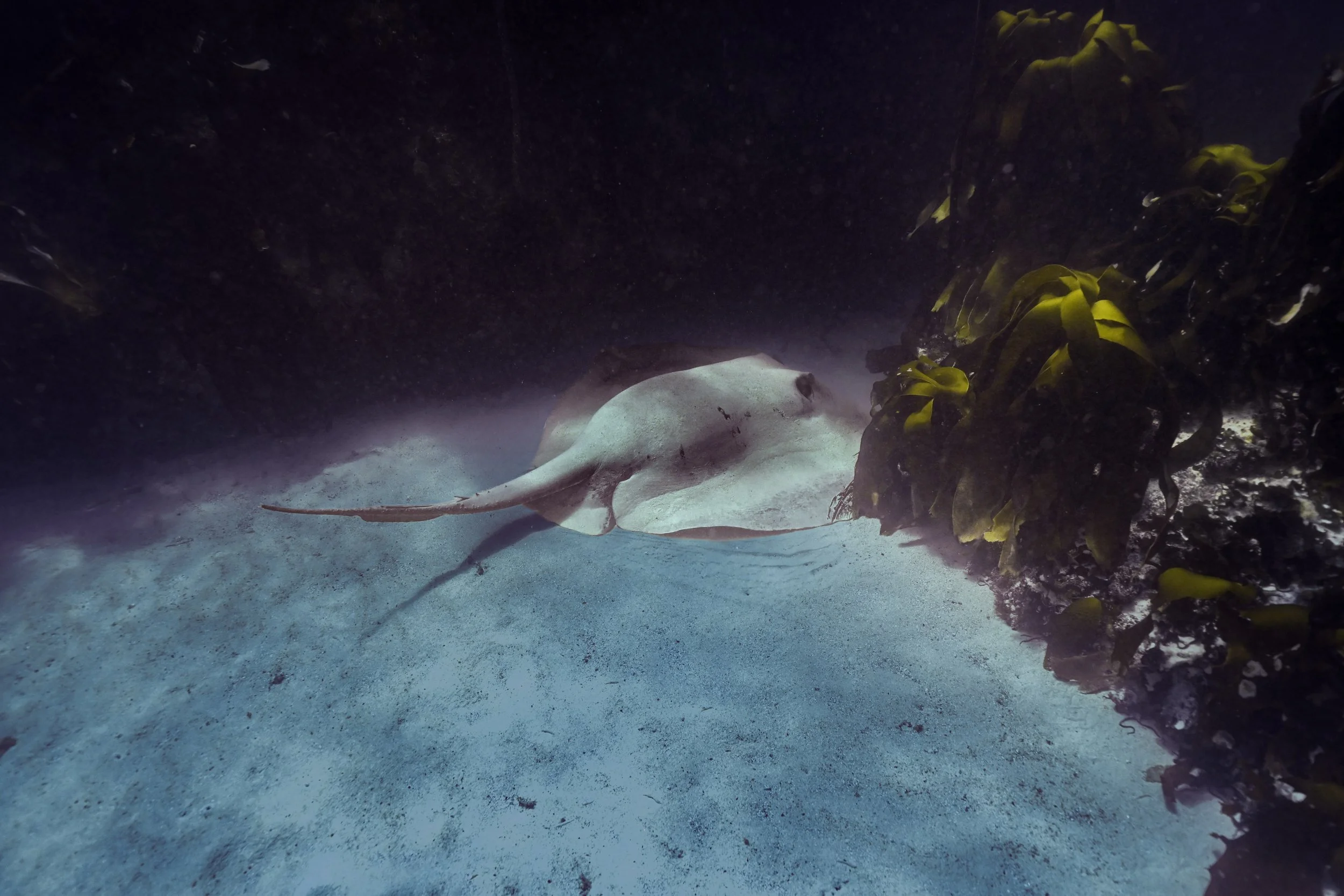
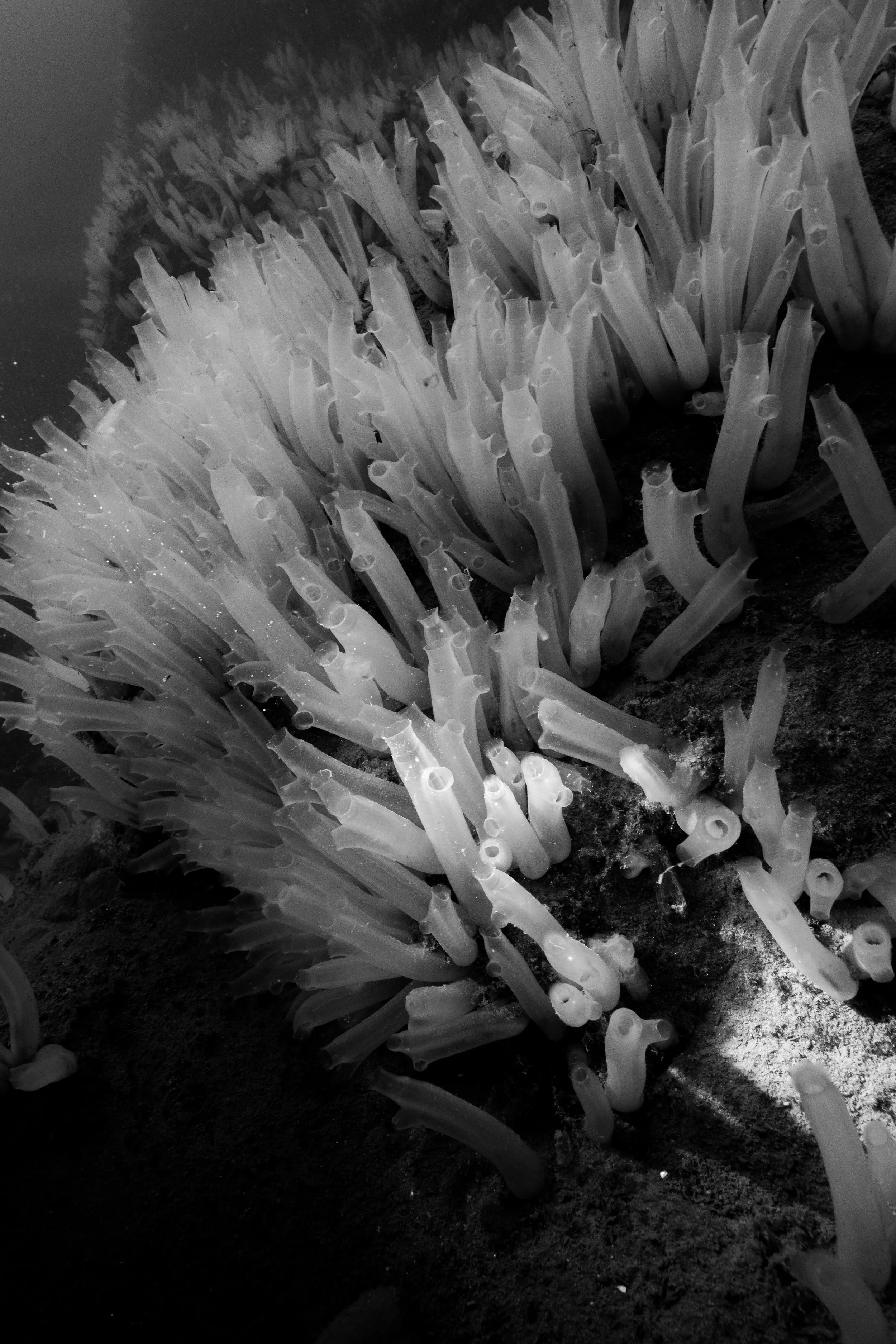
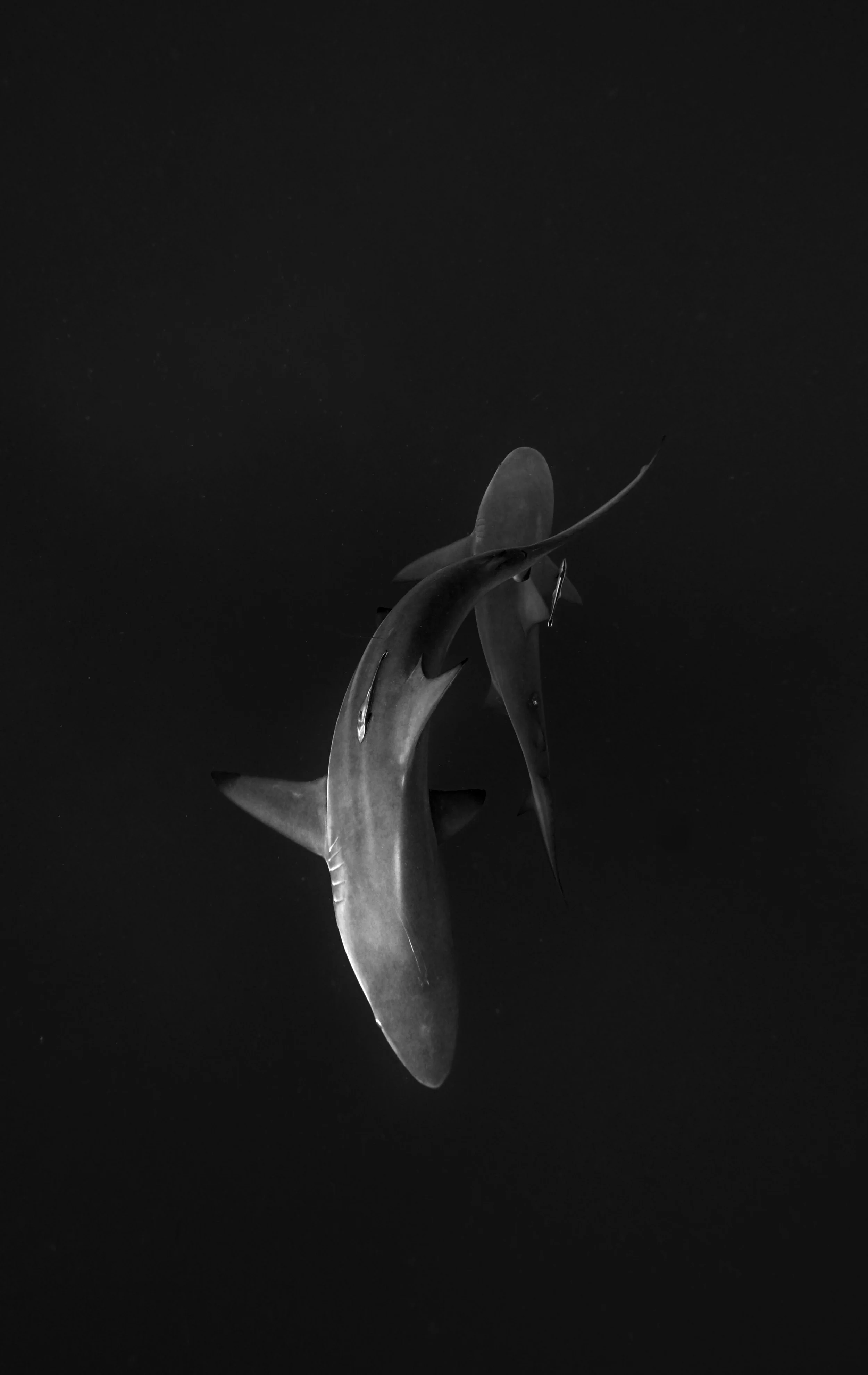
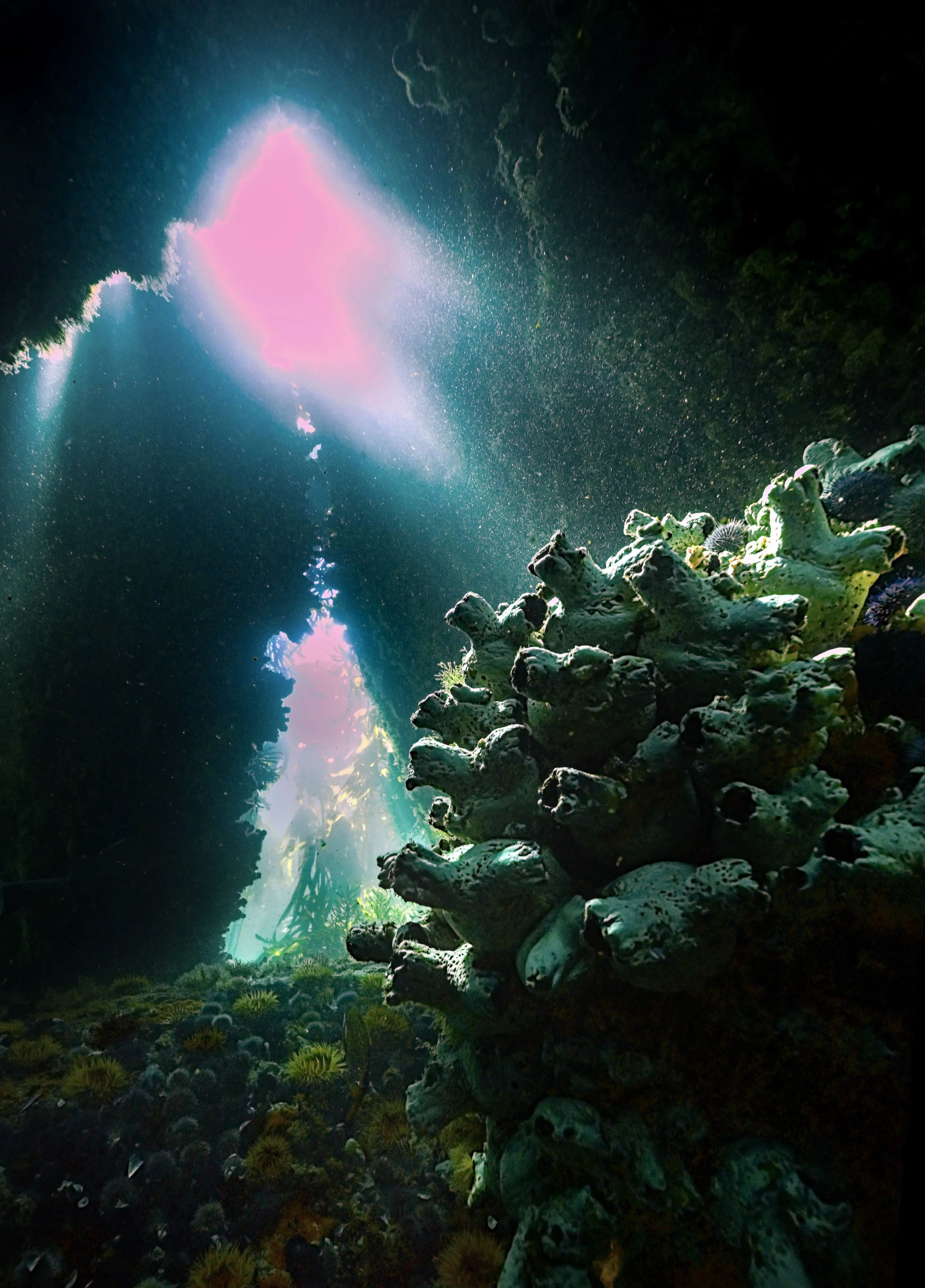
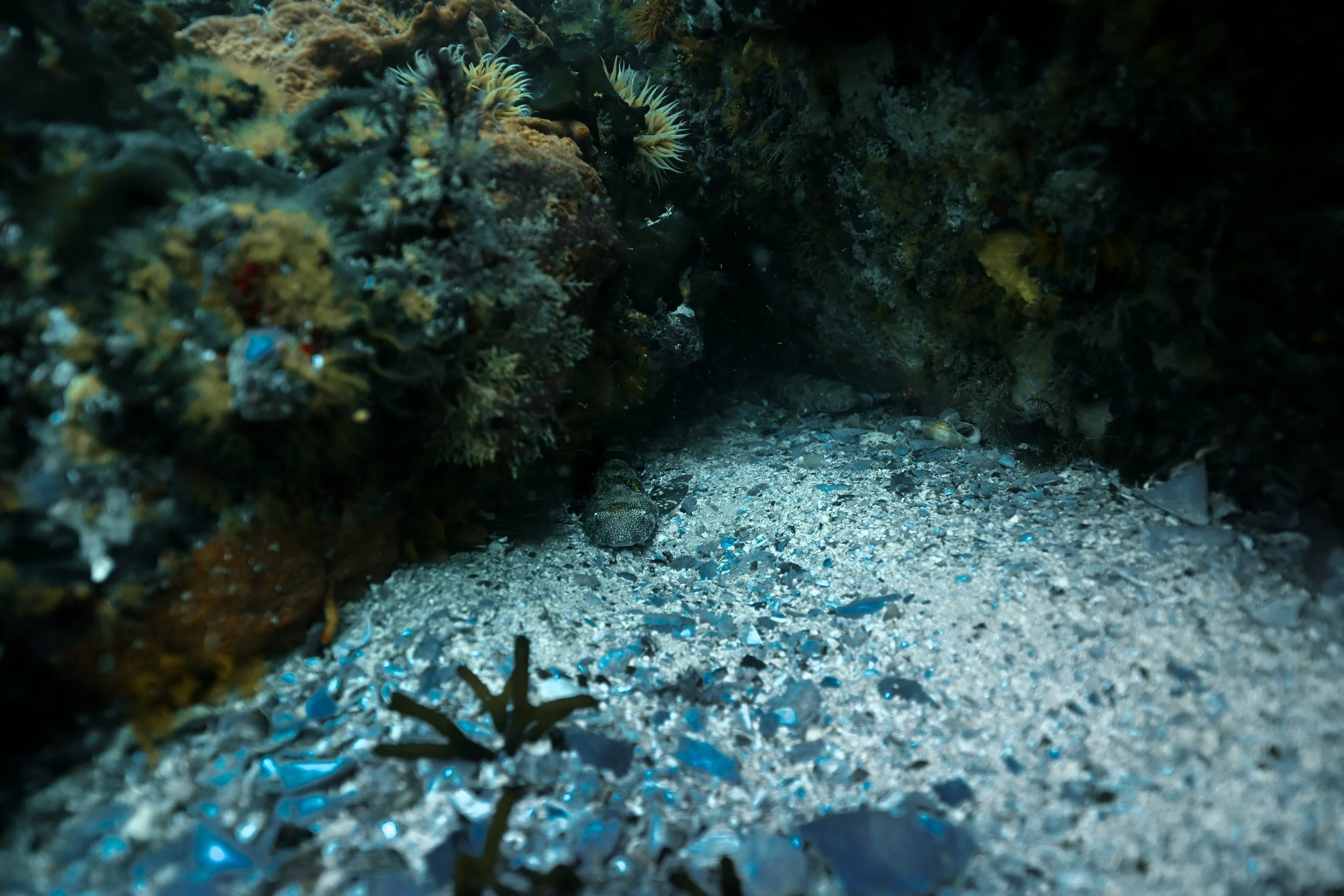
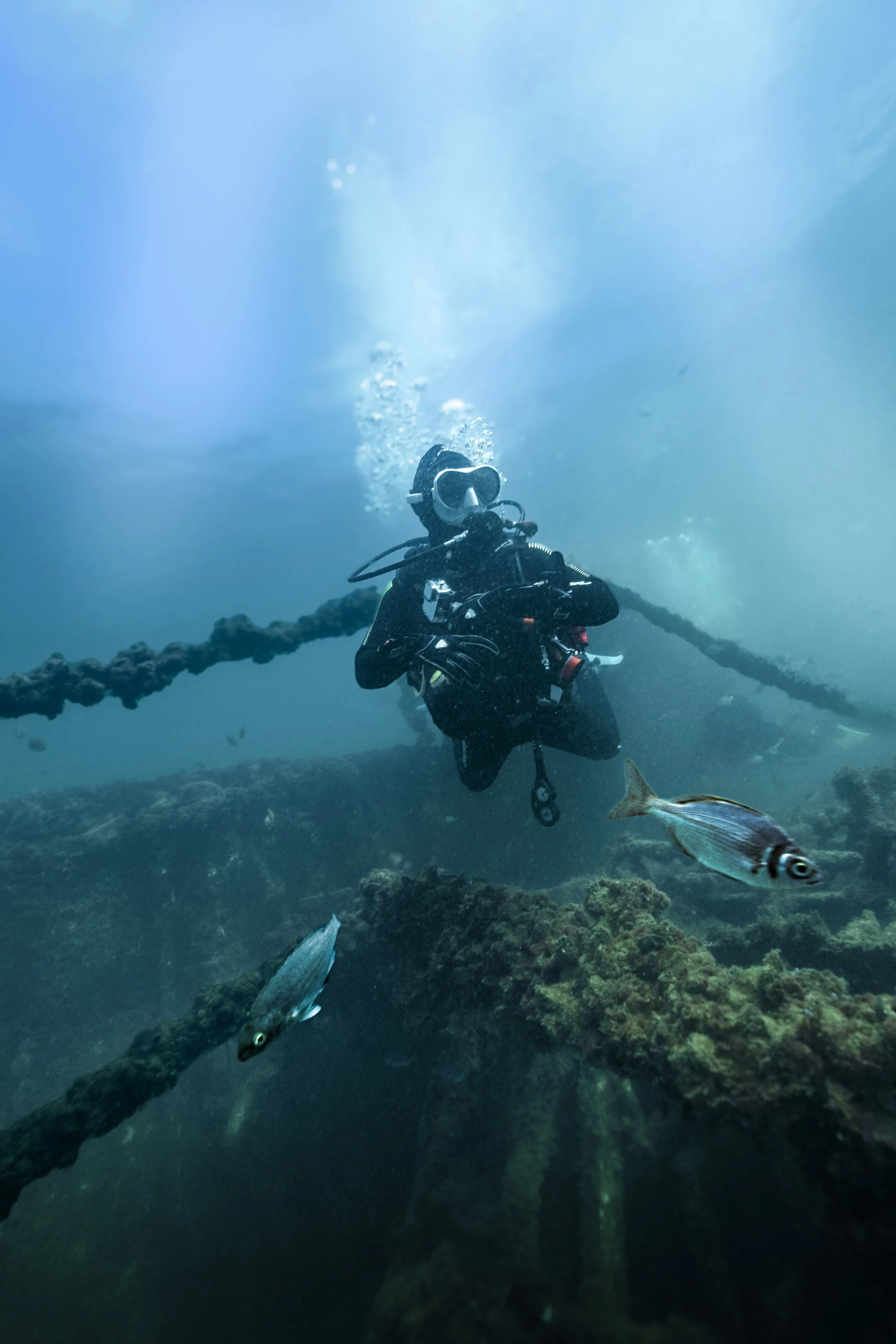
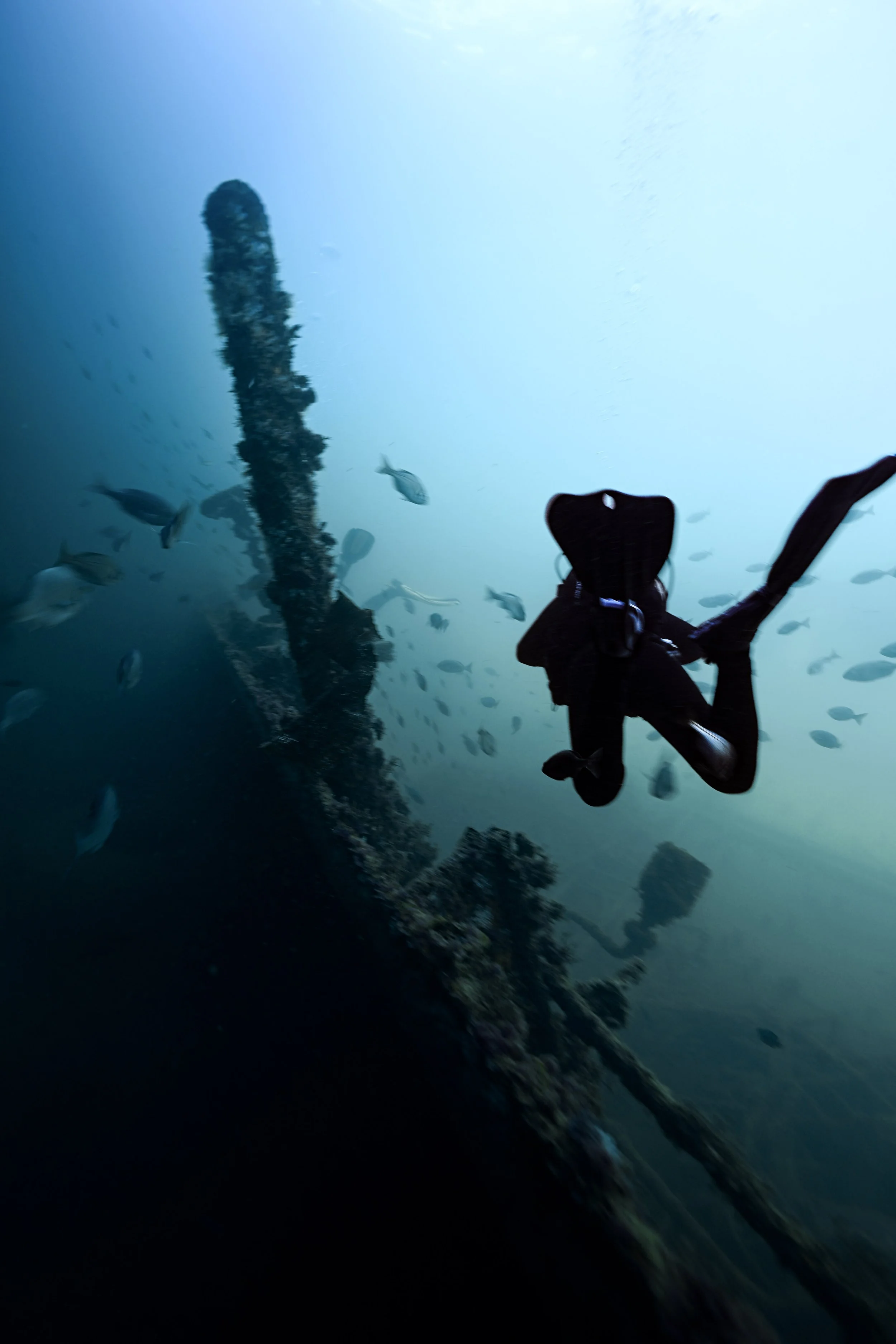
Where light fades, the sea tells a different story. In caves and wrecks the colours disappear, the sounds change, and shapes become more important than detail.
This is my more personal work, shaped by shadow, silence and contrast. Some images are in colour, others in black and white, but all of them come from places where the light runs out and the imagination takes over.
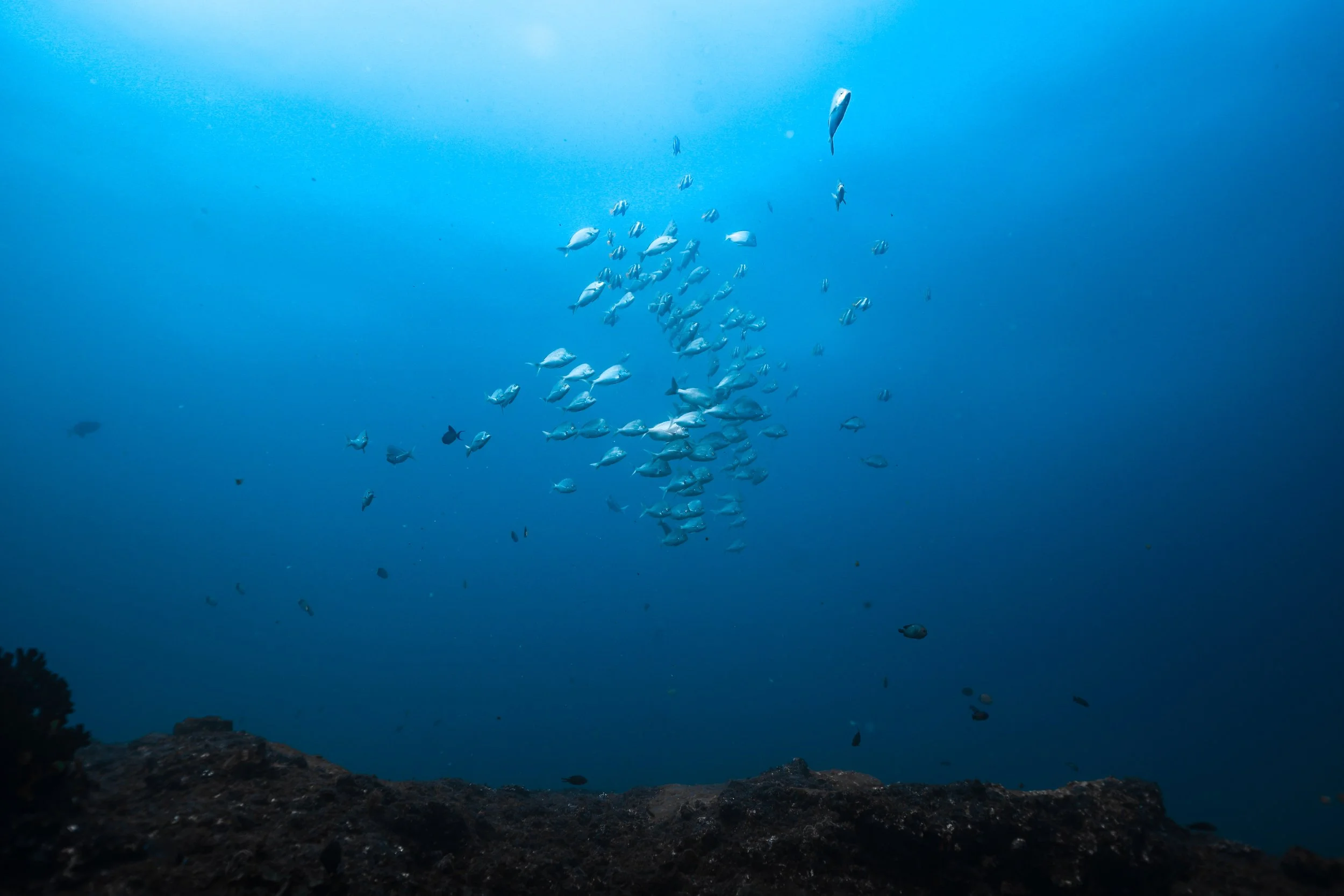
Darkness - Caves and Wrecks
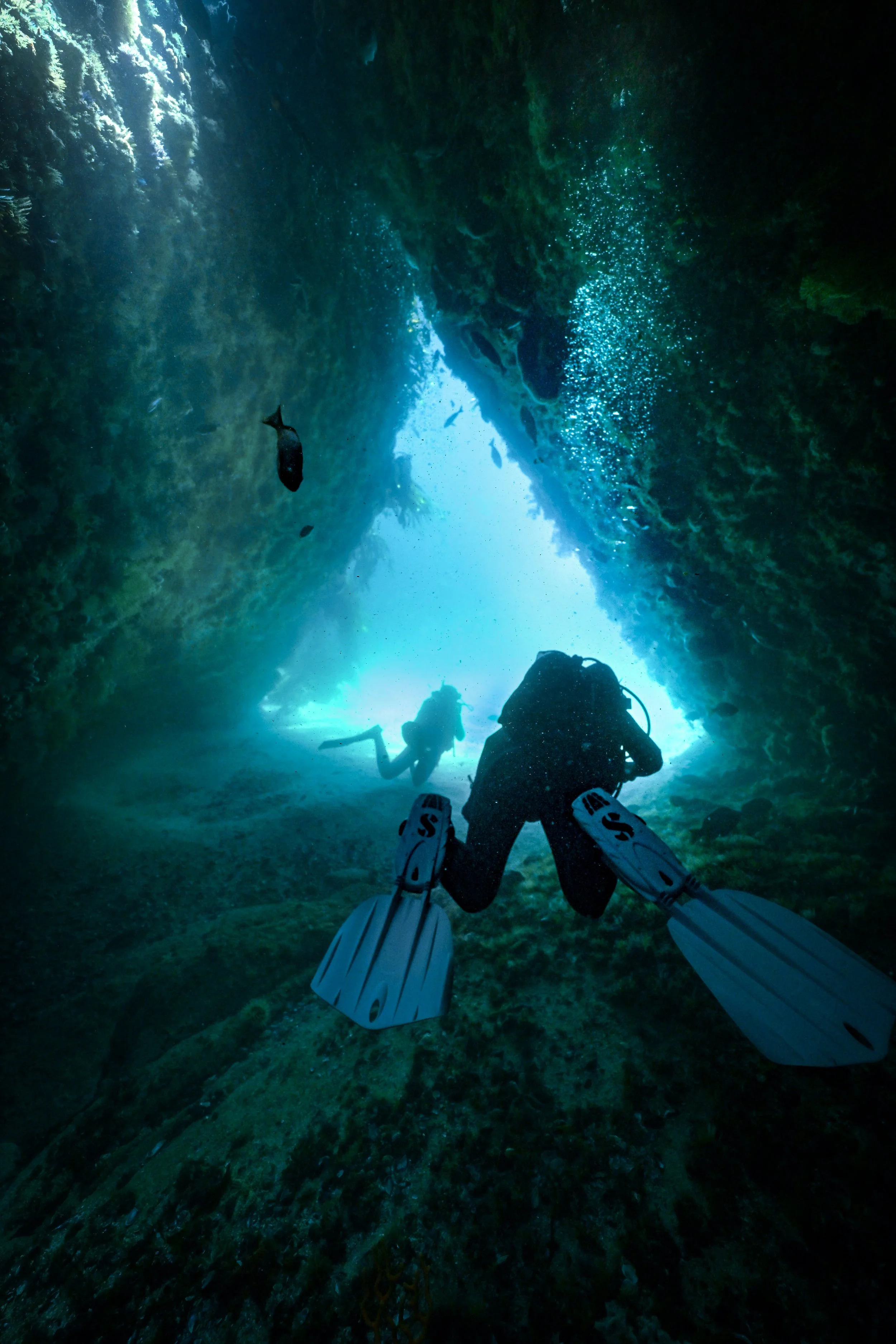
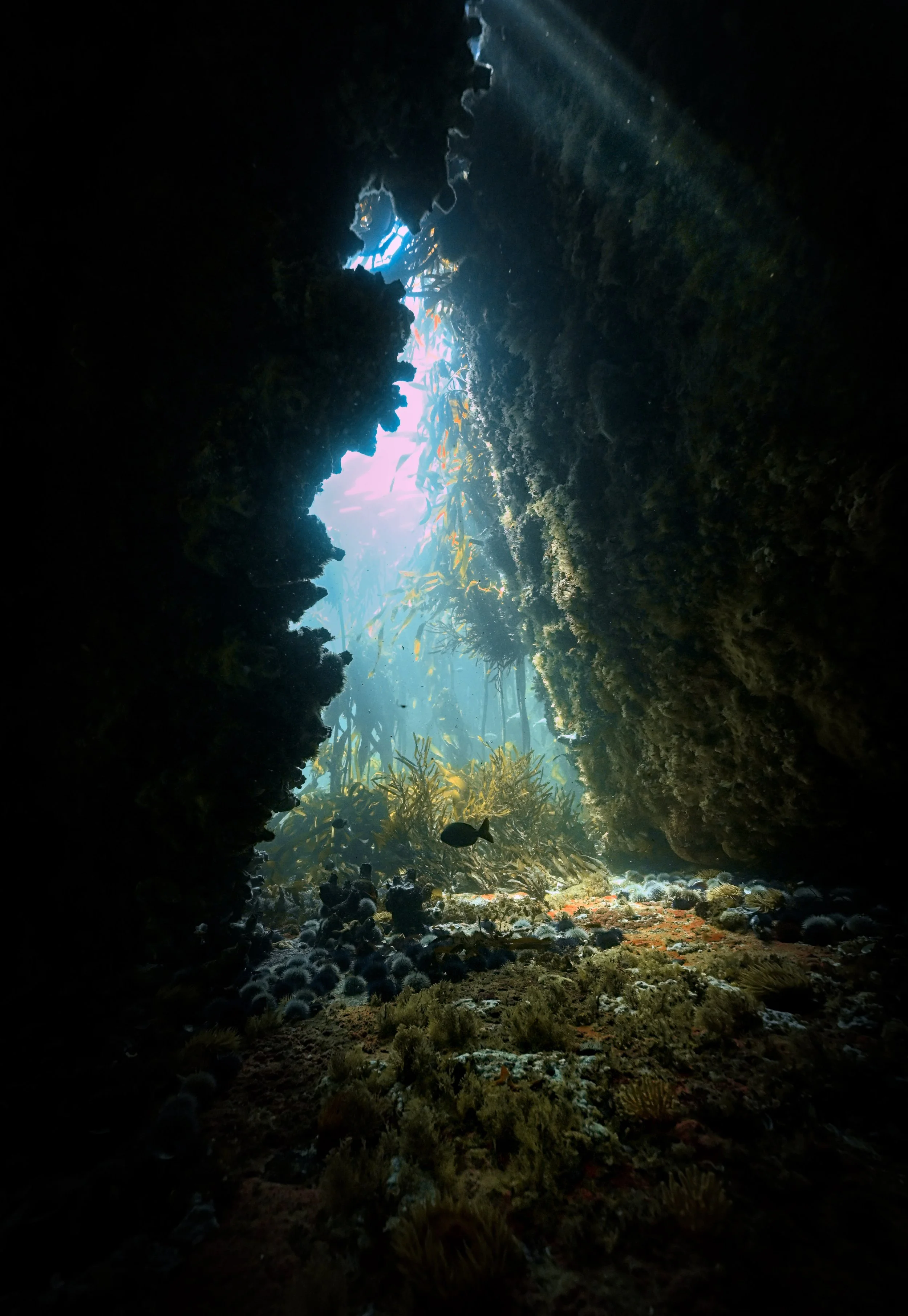
Life in the shade: how animals take over when the light fades
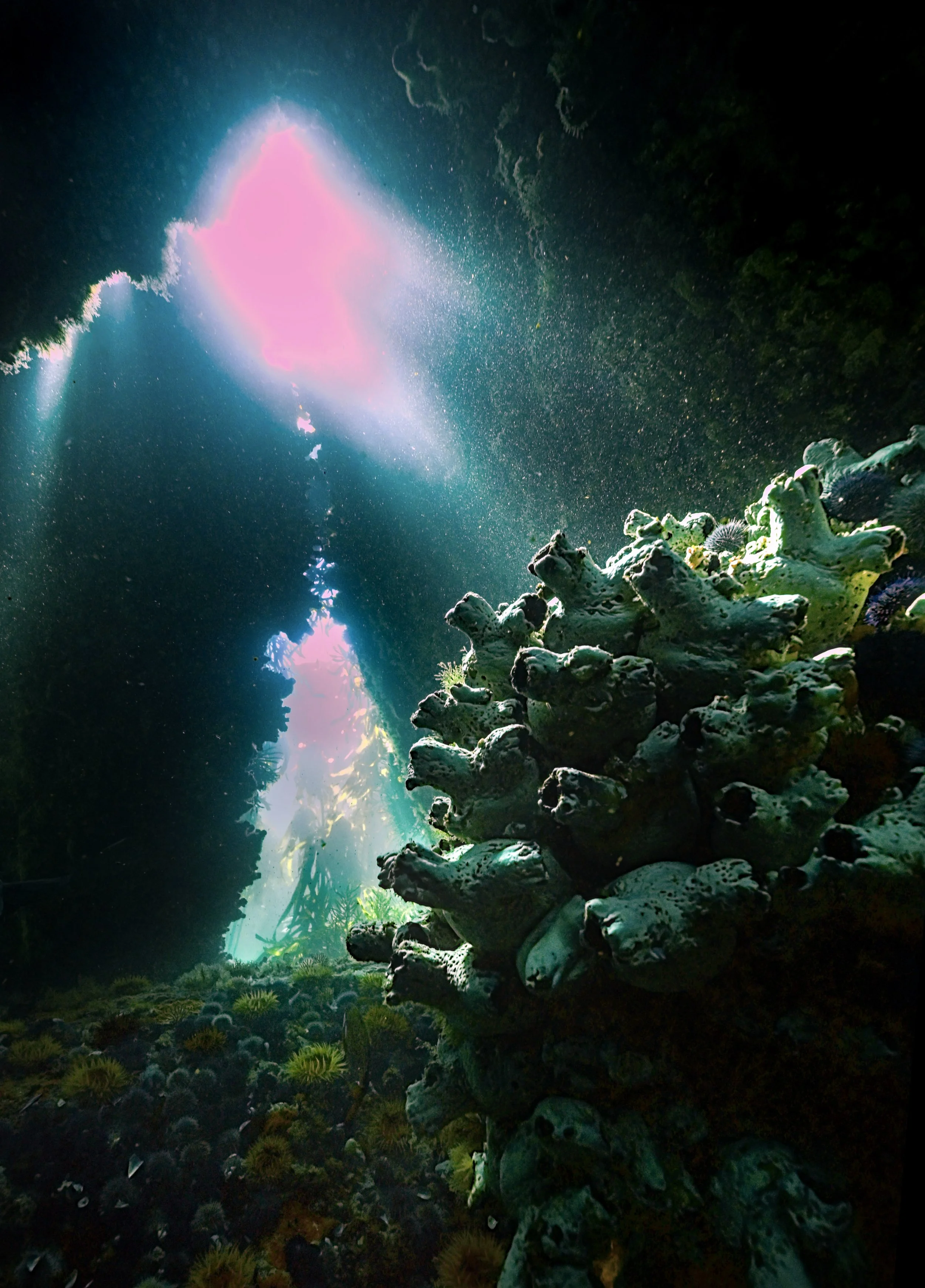
Light sets the first rule: algae need light, and light fades quickly under an overhang or inside a cave. In a marine cave, macroalgal cover decreases from the entrance towards the innermost sectors, leaving space for sciaphilic sessile invertebrates, and the limit for algal growth has been suggested at around 0.5–1% of surface illumination. In a cave off Cyprus, red algae covered 25.5% of the rock at the entrance, 2.5% in the semi-dark zone and none in the dark, while sponges and other low-light-adapted organisms prevailed in the darker areas. A small shaded corner follows the same logic, on a smaller scale.
Living on what the water brings: in a cave studied for 26 years, filter feeders always dominated the community. Their food arrives with the water, so conditions fade with distance from the entrance: in the Cyprus cave, biotic cover fell from 86.4% at the entrance to 78.6% in the semi-dark zone and 51.6% in the dark, and taxonomic richness from about 31 to 17 taxa. The authors identified reduced water circulation, limited food availability and light attenuation as the main constraints, and found that temperature varied by less than 0.25 °C between zones, so it is unlikely to shape the community.
Who lives there depends on where: the cast changes with the sea. In that Mediterranean cave, sponges made up 33% of the taxa, and the cnidarians were mostly cup and stony corals, among them Madracis pharensis, the only Mediterranean stony coral able to live both with and without symbiotic algae. In British waters, by contrast, the anemones Metridium senile and Corynactis viridis may be found in lower shore caves and overhangs. For South African overhangs I found no quantitative study, so what you saw at the A-Frame is your own record.
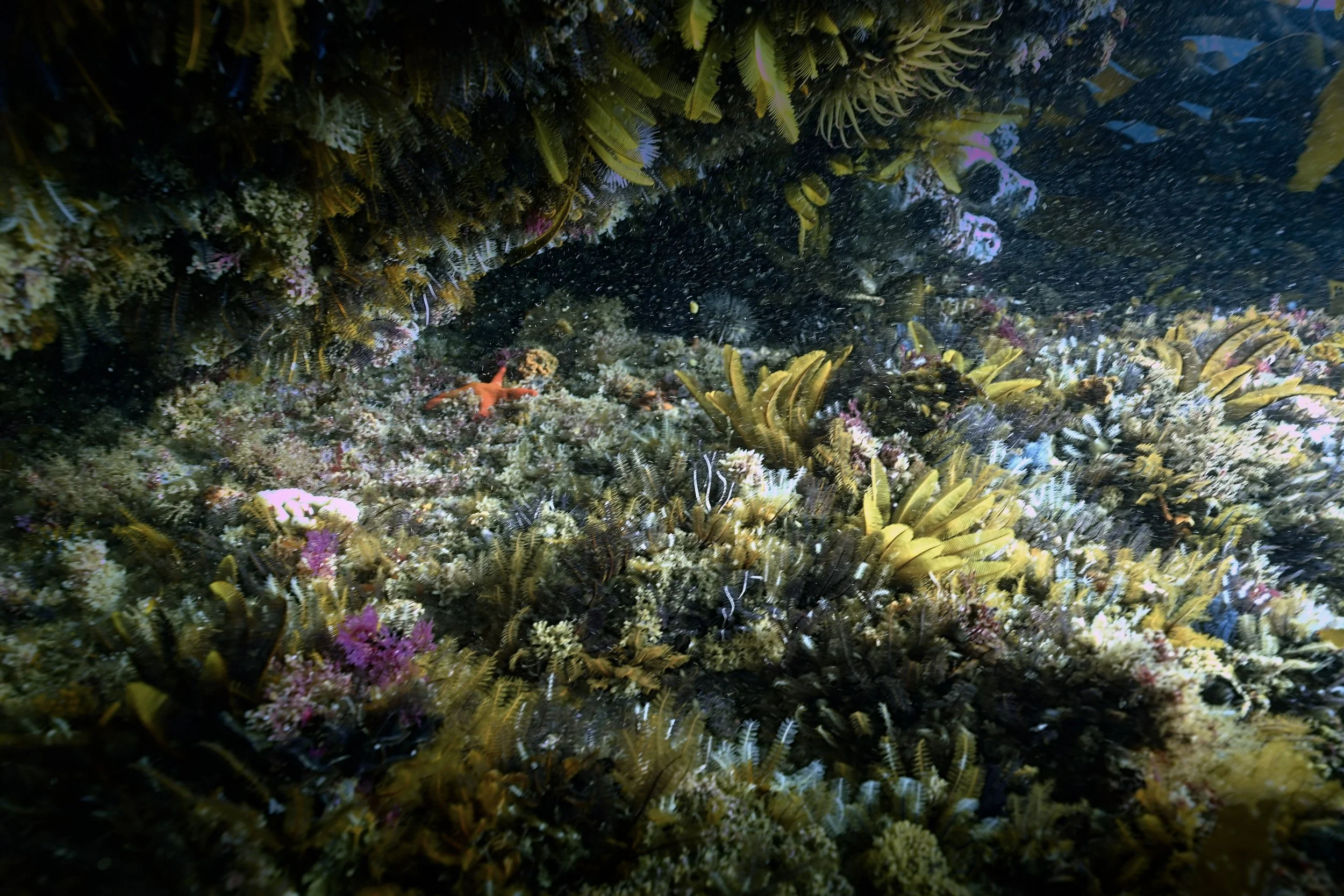
Why urchins gather in the shade
On the South African coast, shelter seems to be the key. At intertidal sites along the south and east coasts, the number of Parechinus angulosus per rock pool correlated with the surface area of the overhang, and when overhangs were blocked the total number of urchins fell by about 50%, leading to the conclusion that suitable shelter is a prerequisite for dense intertidal populations. Around the Cape Peninsula, a thesis found that under turbulent conditions urchins shelter on rock faces away from the sea and under overhangs, avoiding strong swell and contact with torn kelp. Urchins elsewhere also typically remain cryptic in crevices or under rocks to avoid predators.
Shade is shelter, not immunity
Caves are often seen as stable refuges, yet marine heat waves and the spread of alien species have affected them too. In the Italian cave, three-dimensional forms such as bushes and erect plates were replaced by encrusting forms and sediment, and the communities near the entrance were most affected by mortality during heat waves, while those in the dark zones proved more resistant.
Sources
Resaikos, Katsanevakis, Papageorgiou, Oikonomidis & Jimenez (2026), Mediterranean Marine Science 27(1):193–207, 10.12681/mms.39343
Montefalcone, Ferraro, Barbieri, Morri & Bianchi (2023), Estuarine, Coastal and Shelf Science 293:108517, doi:10.1016/j.ecss.2023.108517
Nichols, Segui & Hovel (2015), Marine Biology 162:1227–1237 10.1007/s00227-015-2664-2
MarLIN, Sponges, bryozoans and ascidians on deeply overhanging lower shore bedrock or caves
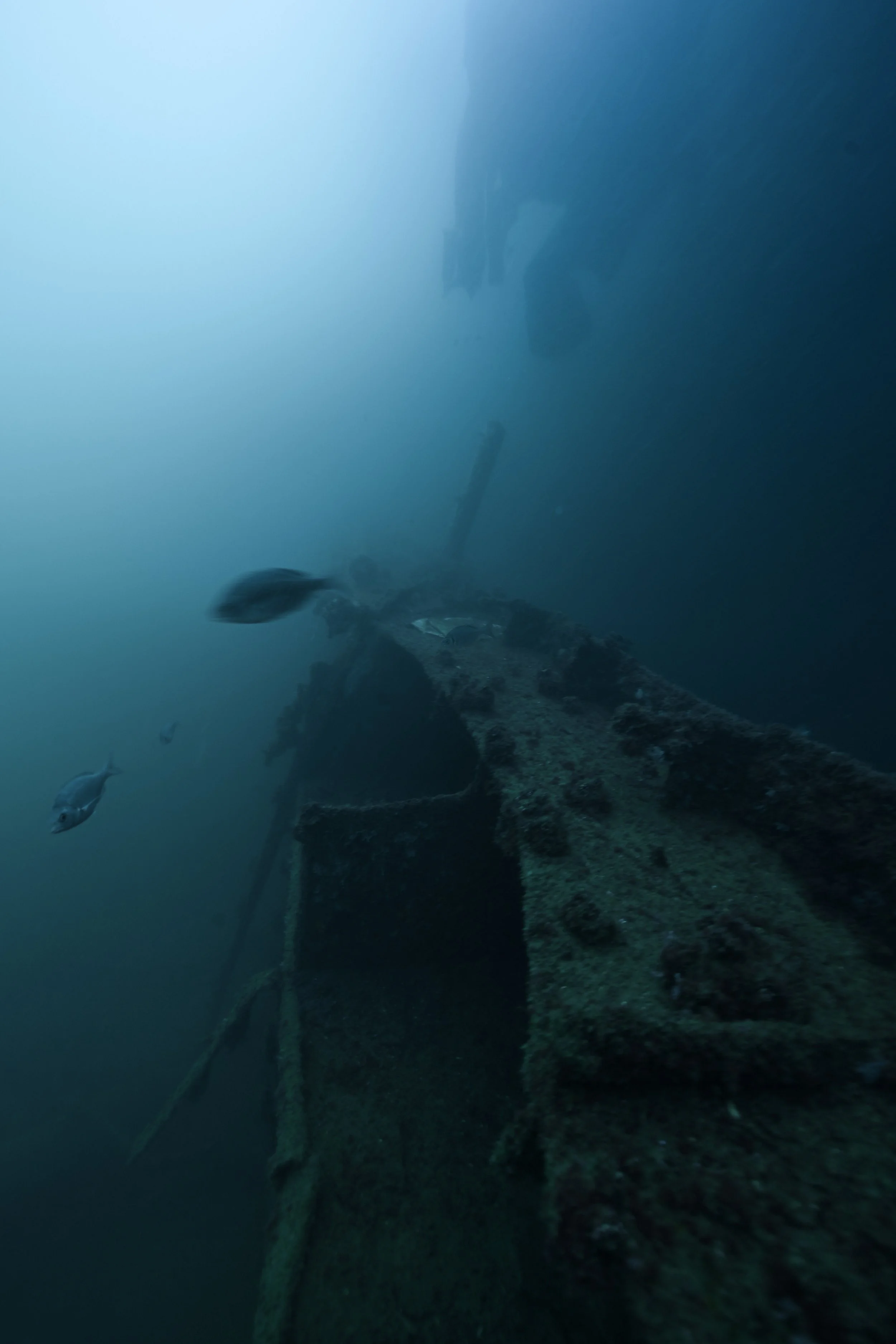
Wrecks: reefs by accident
Hard ground and height: artificial reefs alter local habitat by providing hard substrate and complex vertical relief where typically none previously existed, and shipwrecks are among those created through unintentional means. The effect can be striking. In a classic experiment, concrete modules placed on a sand bottom hosted 127 fish species on the artificial reefs, against 17 over the sand. Structure matters: rugosity, hard substrate and small refuge holes are the most important aspects of complexity, and a hull, with its holds and ledges, provides all three.
Larvae decide who arrives, fish move in quickly, but sessile animals such as anemones and sponges can colonise only after larval dispersal, which depends on nearby source populations, larval traits and ocean circulation. A wreck near a healthy reef is therefore likelier to become one.
Does a wreck create life or only gather it? This is the long-running debate between attraction and production: do artificial reefs just concentrate animals, or add new biomass? Scientists agree they can effectively accumulate fish and other organisms, and stable isotope work has shown that artificial reefs do increase secondary biomass production.
The harbour twist: a wreck in a port is also marine infrastructure. Ports, harbours and marinas act as both hotspots and stepping-stones for marine alien species. Compared with natural reefs, artificial structures often have lower native diversity and abundance and higher abundance of non-indigenous species, and for Africa there is a notable research gap on how artificial substrates affect marine life. So a wreck can be a refuge for native life and a doorway for newcomers at the same time.
Sources
https://tethys.pnnl.gov/sites/default/files/publications/Broughton-2012.pdf
https://doi.org/10.24072/pcjournal.107
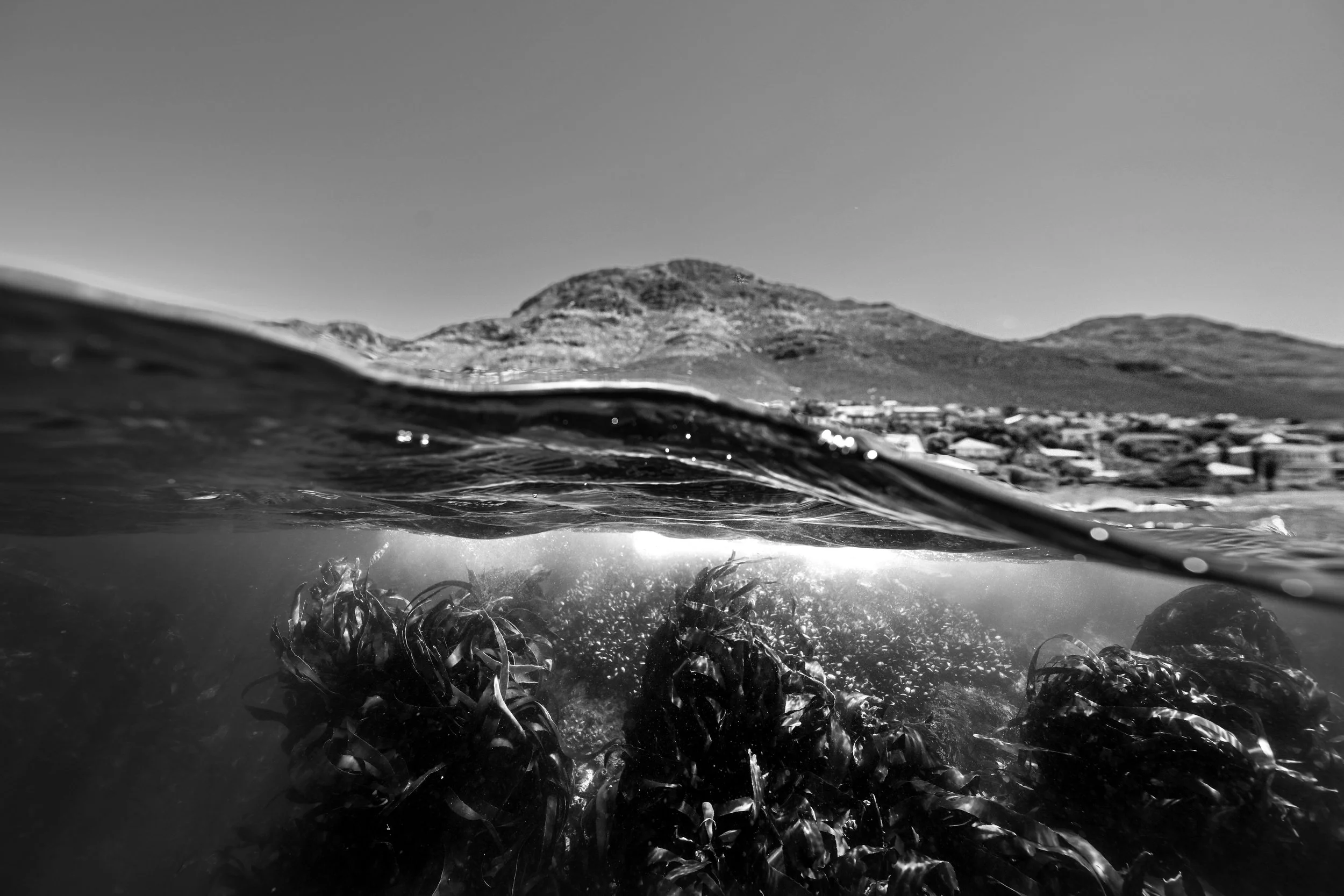
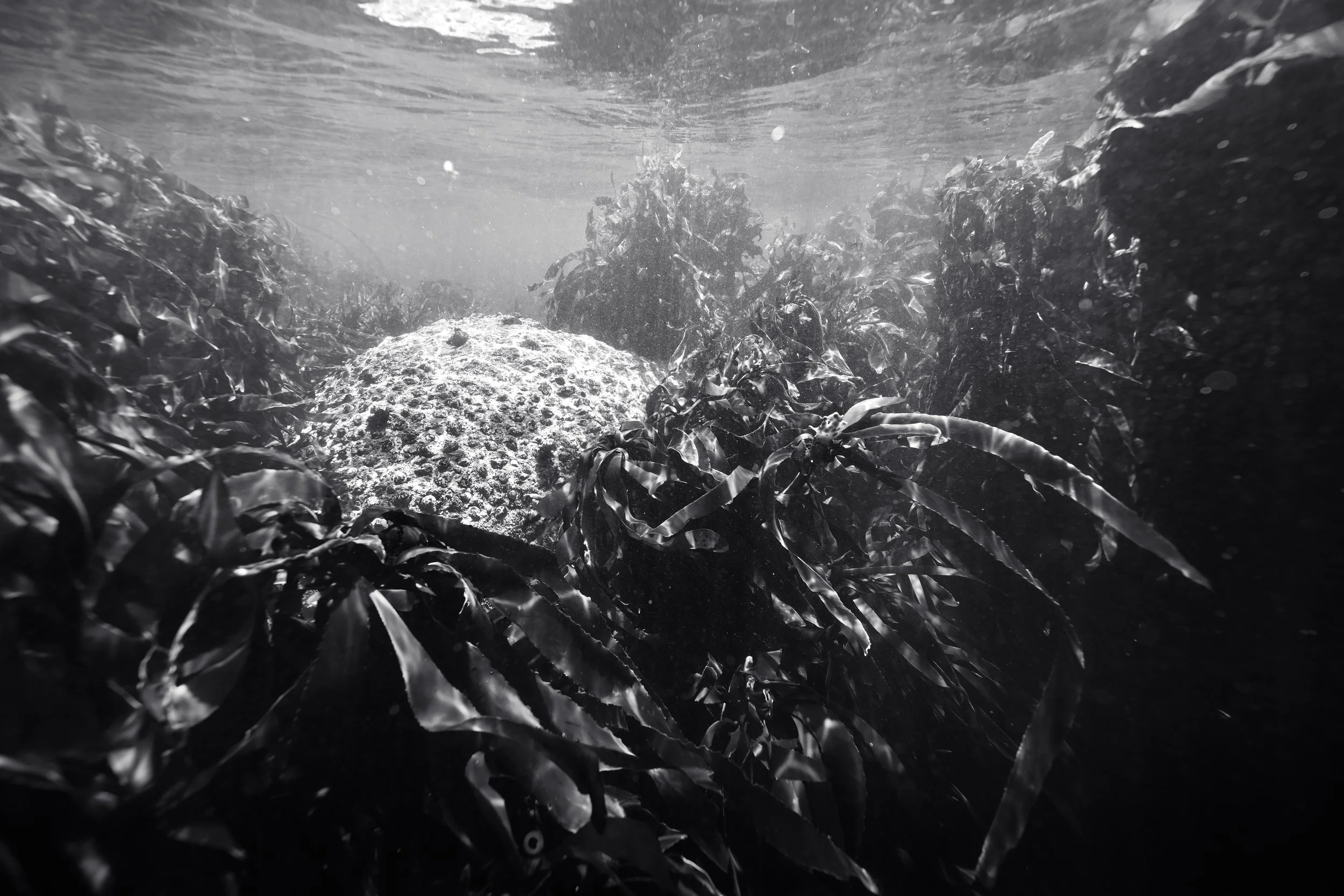
Black and white artwork